Can Warped Brake Rotors Be Fixed or Must They Be Replaced?
If you've noticed your steering wheel shaking when you slow down, or felt a pulsing sensation through the brake pedal, warped brake rotors are one of the most likely culprits. It's a common question we hear from drivers in the Forney area: can warped rotors actually be fixed, or do they have to be replaced entirely? The honest answer is: it depends. Both resurfacing and replacement are legitimate options, and understanding the difference can help you make a smart, cost-effective decision for your vehicle's safety and your budget.
What Does "Warped" Actually Mean?
Brake rotors are the round metal discs that your brake pads clamp against when you press the pedal. Over time and under heat, those rotors can develop an uneven surface: some spots become slightly thicker or thinner than others. That unevenness is what most people refer to as "warping," though technically it's often described as thickness variation or surface runout.
When the rotor surface isn't perfectly uniform, the brake pads can't make smooth, consistent contact. Instead, they grab unevenly as the rotor spins, which is what causes that familiar pulsing or vibrating sensation. You might feel it in the pedal, the steering wheel, or sometimes even through the seat.
Common causes include:
- Overheating from heavy or prolonged braking (common in stop-and-go traffic)
- Lug nuts that were overtightened or tightened unevenly during a tire change
- Leaving a hot rotor sitting with the brake pad pressed against the same spot for extended periods
- Normal wear over time, especially after 50,000 to 70,000 miles or more
Understanding what caused the warping matters because it directly affects whether resurfacing is even an option.
Option One: Rotor Resurfacing (Also Called Machining)
Resurfacing, sometimes called machining or turning, is the process of using a brake lathe to shave a thin, even layer off the rotor's surface. The goal is to remove the high and low spots and restore a smooth, flat braking surface. When done correctly on an eligible rotor, it can bring the surface back to like-new performance without the cost of a full replacement.
Resurfacing typically costs between $15 and $25 per rotor, compared to $30 to $75 or more per rotor for replacement parts alone. For budget-conscious vehicle owners, that difference can feel significant, especially when you're also replacing brake pads at the same time.
However, resurfacing only works when the rotor has enough material left to safely remove a thin layer and still meet the manufacturer's minimum thickness specification. Every rotor has a stamped or cast minimum thickness rating. Once a rotor is machined below that number, it becomes too thin to safely absorb and dissipate braking heat, which can compromise stopping performance.
There's also a situation where resurfacing simply isn't possible at all: if the warping occurred at the rotor hat (the center mounting area), typically caused by improperly torqued lug nuts, the distortion can't be corrected by machining the braking surface. In those cases, replacement is the only safe path forward.
Option Two: Rotor Replacement
Full rotor replacement means installing a brand-new rotor, and in most cases, it's recommended to replace both rotors on the same axle at the same time. Replacing only one rotor can create uneven braking, where one side grabs slightly differently than the other. That imbalance can cause your vehicle to pull to one side when braking, which is both uncomfortable and a safety concern.
Replacement is the right choice when:
- The rotor is at or near minimum thickness and can't safely be machined any thinner
- There are deep grooves, scoring, or cracks visible on the rotor surface
- The warping is in the hat area and can't be corrected by resurfacing
- The rotor has experienced severe heat damage (you may notice blue discoloration)
- The rotor has already been resurfaced once before and has little material left
While replacement costs more upfront, new rotors come with a full thickness margin and a fresh, even surface. You're essentially resetting the clock on that component, and when paired with new brake pads, it gives your braking system a reliable, well-matched foundation. Understanding brake rotor replacement frequency can also help you plan ahead and avoid being caught off guard by worn rotors in the future.
How to Know Which Option Is Right for Your Vehicle
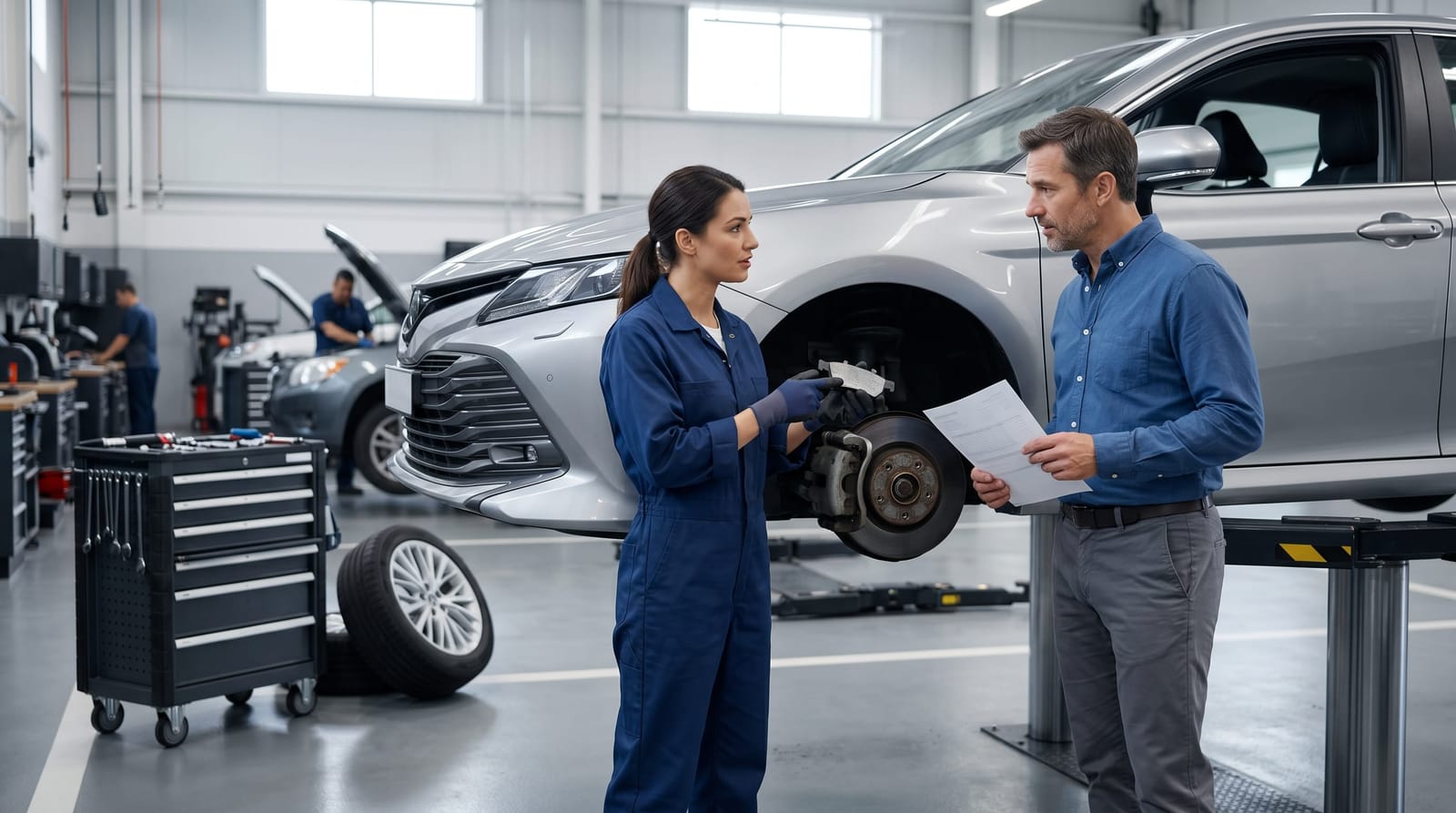
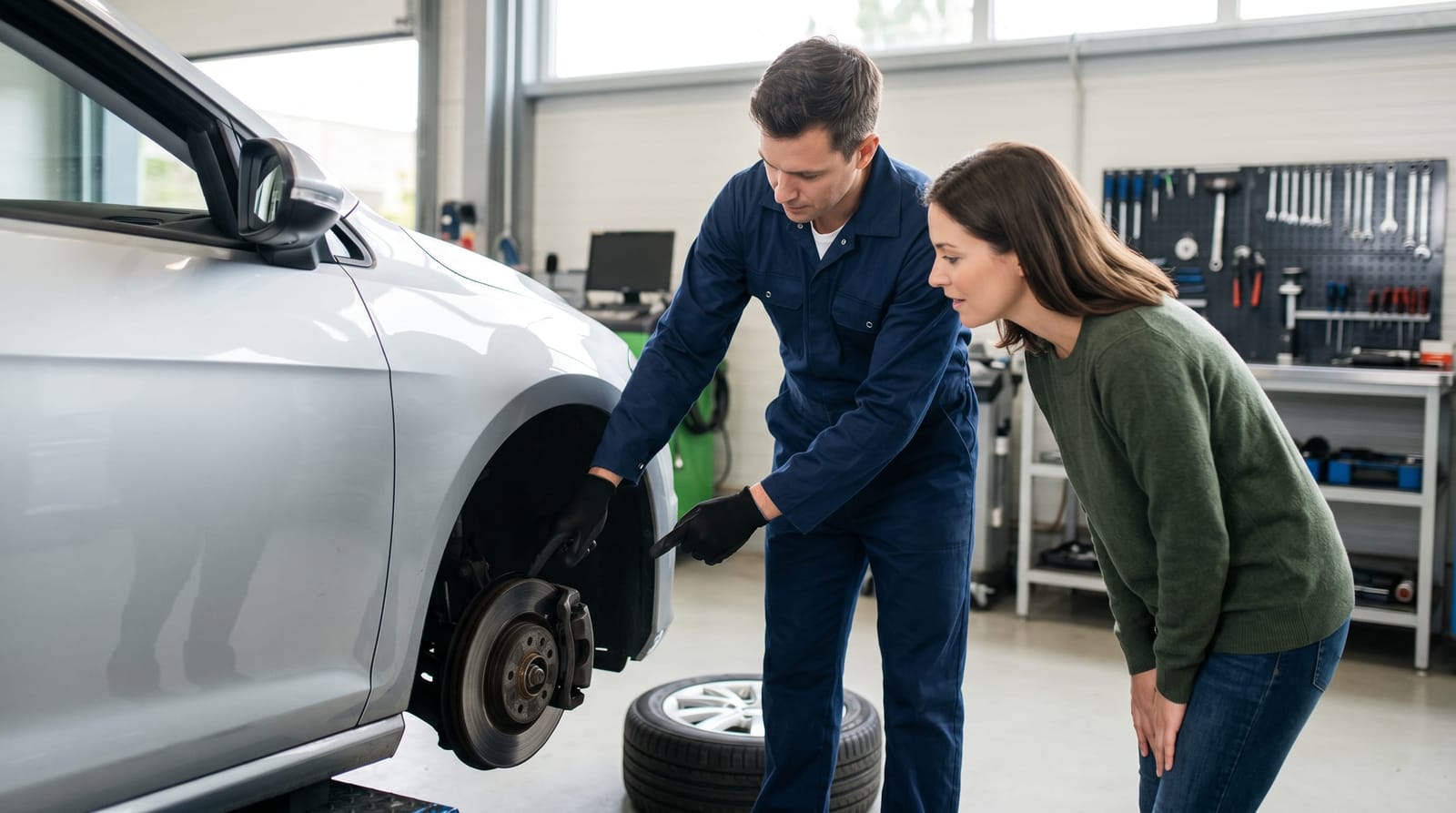
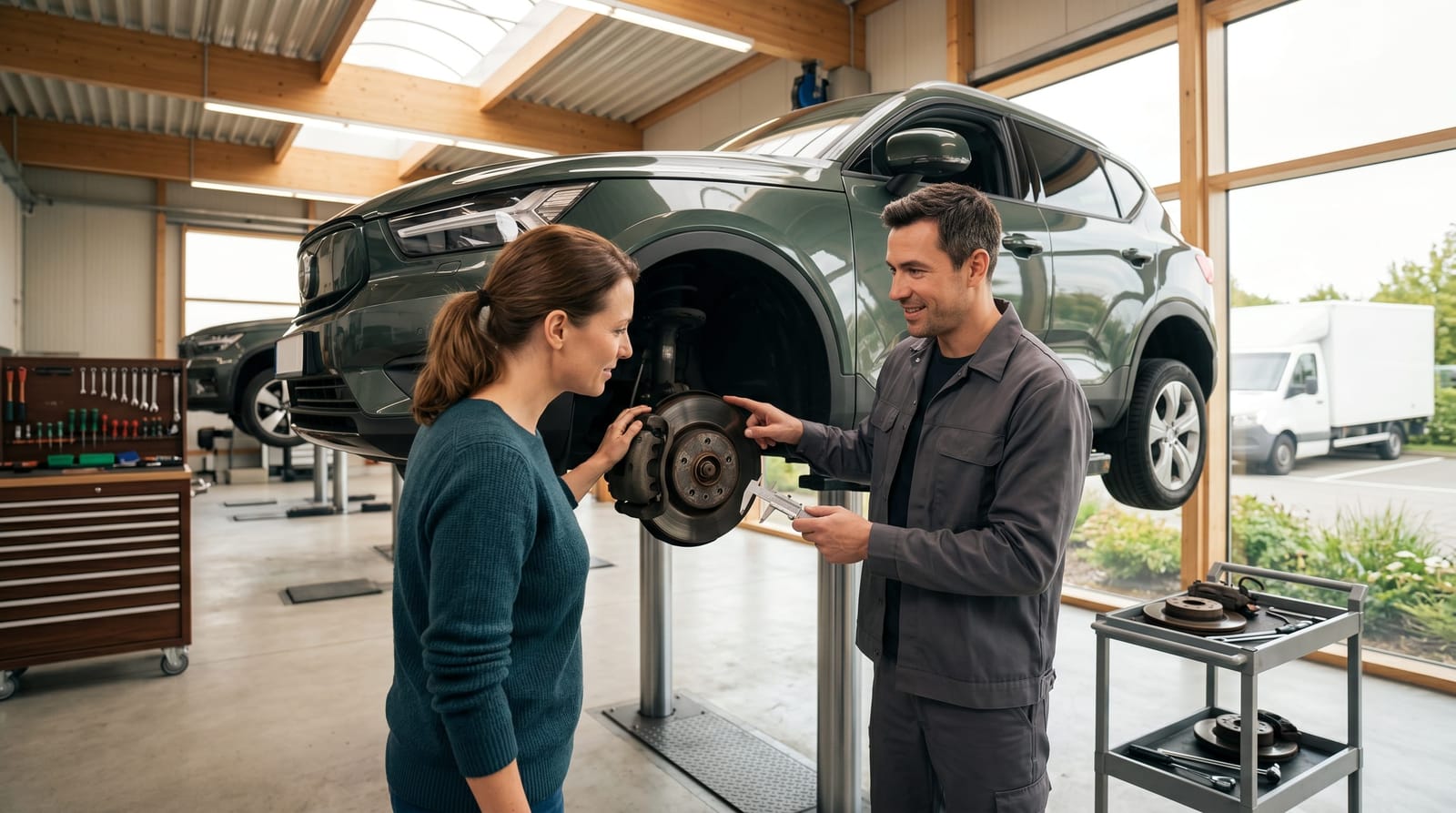
This is where a professional inspection makes all the difference. A qualified technician will measure your rotor thickness with a micrometer, a precise measuring tool, and compare it against the manufacturer's minimum specification. If there's enough material remaining after accounting for the resurfacing cut, machining may be a viable option. If not, replacement is the safer call.
As a general guideline:
- Most passenger car rotors start between 28mm and 32mm thick from the factory
- Manufacturers typically set minimum thickness around 2mm to 3mm less than original
- A resurfacing pass typically removes 0.5mm to 1mm of material per side
- Rotors worn to within 1mm of the minimum should be replaced, not machined
It's also worth noting that if your brake pads are worn down significantly at the same time, replacing the rotors often makes more economic sense. Installing fresh pads on a machined rotor that's near the end of its life means you may be back for rotor replacement in another 20,000 miles anyway. Doing everything together can save you money and labor time in the long run.
Warped Rotor Repair Options: Making the Final Call
When it comes to warped brake rotor repair options, the bottom line is that there's no universal right answer, but there is a right answer for each individual vehicle based on measurable facts. Resurfacing is a legitimate, cost-effective solution when rotors are in good shape and have enough thickness remaining. Replacement is the better investment when rotors are worn, severely damaged, or have distortion that machining can't correct.
What we always recommend at Gregg Automotive is a thorough inspection before making any decision. Choosing to resurface when replacement was needed, or replacing when resurfacing was perfectly safe, both result in unnecessary expense or compromised safety. Good repair decisions start with accurate information, and that starts with someone actually measuring and inspecting your specific rotors.
Frequently Asked Questions
Is it safe to drive with warped brake rotors?
Warped rotors don't always mean your brakes will fail immediately, but the vibration and uneven braking they cause can reduce your stopping effectiveness, especially in emergency situations. It's best to have them inspected promptly rather than continuing to drive with a known braking issue. The longer you wait, the more wear they can cause on your brake pads as well.
How much does it cost to fix warped rotors?
Resurfacing typically runs $15 to $25 per rotor in parts and machining costs, though total service pricing varies by shop and vehicle. Full rotor replacement parts generally range from $30 to $75 or more per rotor depending on the vehicle make and model, plus labor. Getting both options quoted at the same time helps you make an informed comparison.
Can warped rotors cause brake noise?
Yes. Warped rotors can cause a rhythmic squealing, grinding, or scraping sound that coincides with wheel rotation. However, brake noise has several possible causes, including worn brake pads, rust buildup, or debris. A proper inspection is the most reliable way to identify the specific source of the noise.
How long do resurfaced rotors last?
A properly resurfaced rotor on a vehicle with adequate remaining thickness can last another 30,000 to 50,000 miles under normal driving conditions. However, because resurfacing removes material, the rotor will reach its minimum thickness sooner than a new rotor would. This is why rotor thickness measurement before and after machining is an important part of the process.
The Bottom Line on Warped Rotor Repair
Warped brake rotors don't always require full replacement, but they do always require an honest evaluation. Resurfacing can be a smart, cost-effective repair when the rotor has adequate material and the right kind of damage. When rotors are too thin, too damaged, or distorted in ways machining can't fix, replacement is the safer and more practical choice. Either way, the decision should be based on measurements and facts, not guesswork. If you're experiencing that familiar brake pedal pulse or steering wheel shake, bring your vehicle in and let's take a proper look before deciding the best path forward.