Does Wheel Alignment Fix a Car That Pulls to One Side?
If your car drifts toward the left or right when you let go of the steering wheel, your first instinct might be to schedule a wheel alignment, and that instinct is often right. But alignment isn't always the full answer. Sometimes what looks like an alignment problem is actually a worn suspension component, a brake issue, or something else entirely. This beginner's guide explains how to think through the problem, what alignment actually does, and how to know whether alignment alone will fix a car that pulls to one side.
What Does "Pulling to One Side" Actually Mean?
Before anything else, it helps to describe the symptom clearly. Pulling means your vehicle consistently drifts in one direction when you're driving on a flat, straight road without any steering input. It's different from a shimmy in the steering wheel or a rough ride: those often point to other issues.
Pulling is worth paying attention to because it usually means something is causing uneven forces on your tires or wheels. Your car is designed to track straight with minimal effort. When it stops doing that, something has shifted out of balance, whether that's your alignment angles, your tires, or a mechanical component in the steering or suspension system.
The good news: pulling is one of the more diagnosable symptoms a car can show. A skilled technician can usually pinpoint the cause fairly quickly with the right inspection process. The key is not assuming alignment is always the answer before taking a closer look.
When Wheel Alignment Is the Right Fix
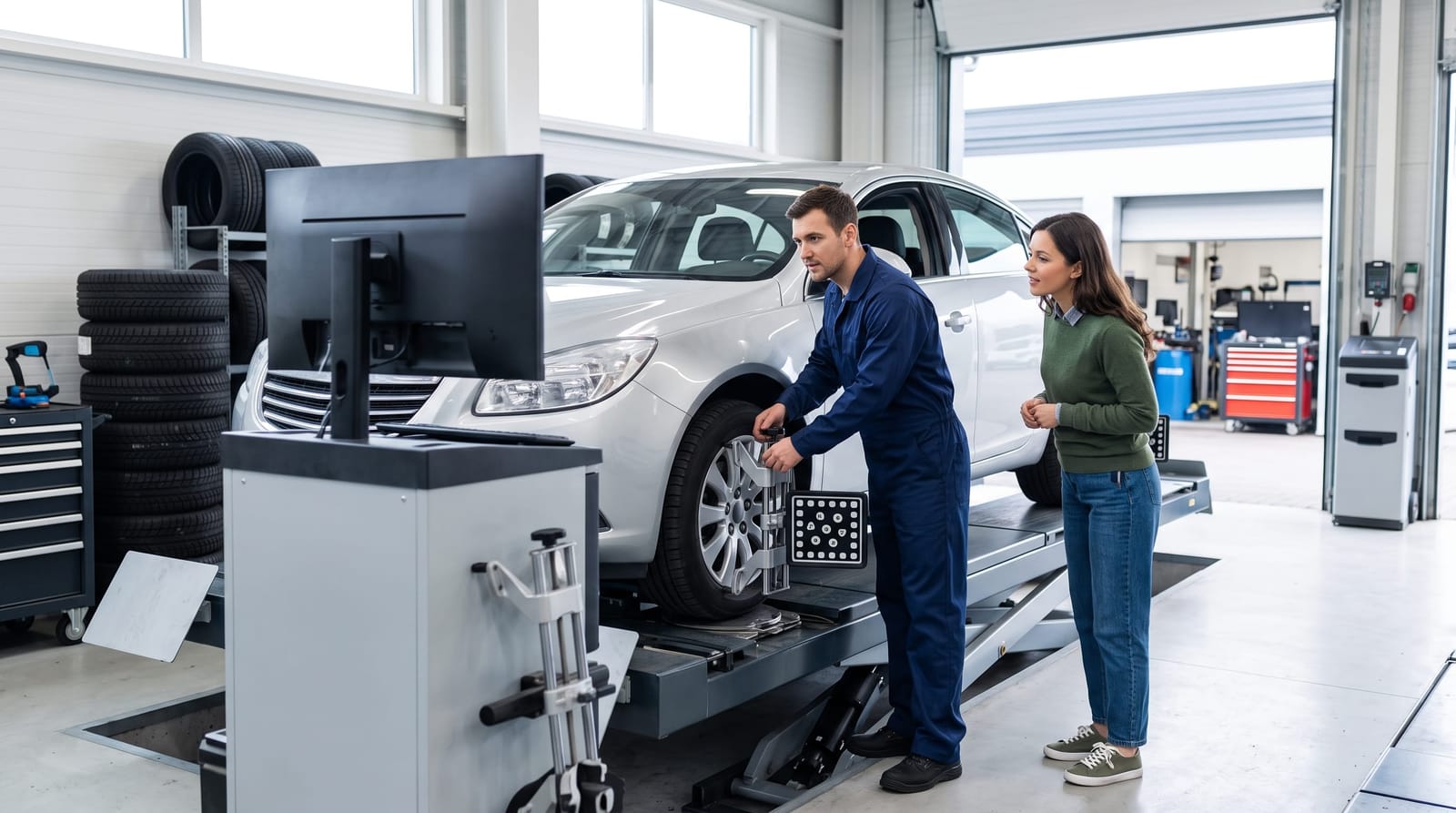
Wheel alignment refers to the precise angles at which your tires make contact with the road. Technicians measure three main angles, camber, caster, and toe, and adjust them to match your vehicle manufacturer's specifications. Even small deviations in these angles can cause noticeable directional pull while driving.
Alignment can drift out of spec in several common ways:
- Hitting a pothole or curb
- Normal wear on steering and suspension components over time
- Driving on rough roads regularly
- Minor fender-benders that shift front-end components
Studies from tire and alignment industry sources suggest that roughly 1 in 3 vehicles on the road at any given time are out of alignment: many of which haven't shown noticeable symptoms yet. When misalignment is the cause of pulling, getting your wheels properly aligned should resolve the drift. Most manufacturers recommend checking alignment every 12,000 miles or once a year as part of routine maintenance, or any time you've had a significant impact.
One clue that alignment might be the culprit: look at your tires. Uneven wear patterns, more wear on the inside or outside edge of the tread, often signal misalignment. If your tires are wearing unevenly and the car is pulling, alignment is a strong candidate.
When Alignment Alone Won't Solve the Problem
Here's where many drivers get frustrated: they get an alignment, drive off the lot, and the car still pulls. That happens because alignment corrects angles: it doesn't fix underlying mechanical problems. If a component is worn or damaged, the alignment will simply drift out of spec again, sometimes immediately.
Several other issues can cause a vehicle to pull that alignment cannot fix:
Tire Problems
Tires with significantly different pressure levels side to side, even a difference of 5 to 8 PSI, can cause pulling. Tires with internal belt separation or uneven wear can also pull your vehicle to one side regardless of alignment. A simple swap of tires side to side is sometimes used as a diagnostic step to determine whether a specific tire is the culprit.
Brake Issues
A stuck or dragging brake caliper on one side will cause the vehicle to pull toward that side, especially when braking. If your car only pulls when you apply the brakes, this is very likely a brake component issue rather than an alignment problem. Brake-related pulling can also be accompanied by a burning smell or a pulling sensation that worsens at higher speeds. Alignment will not resolve this.
Worn Suspension Components
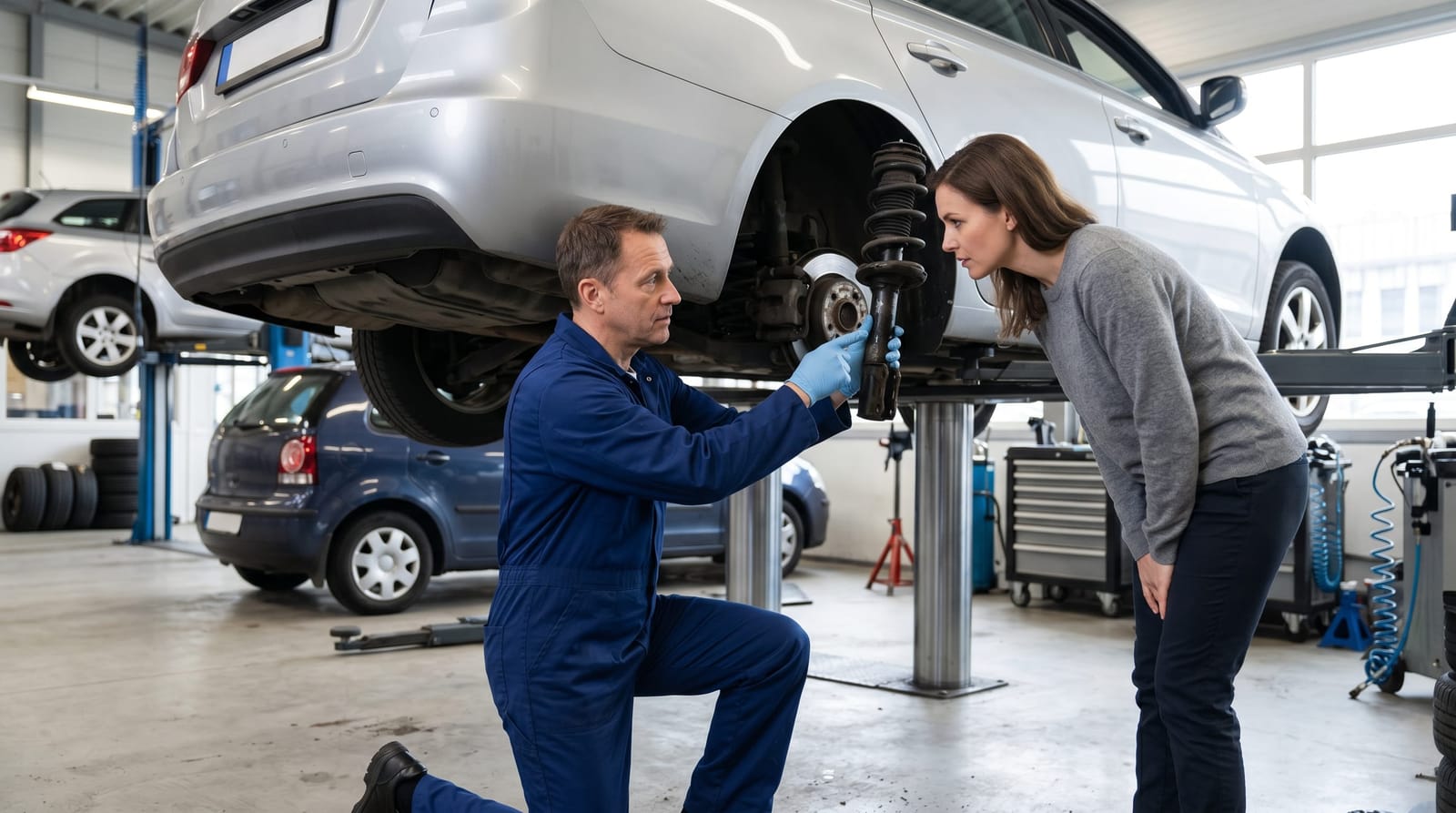
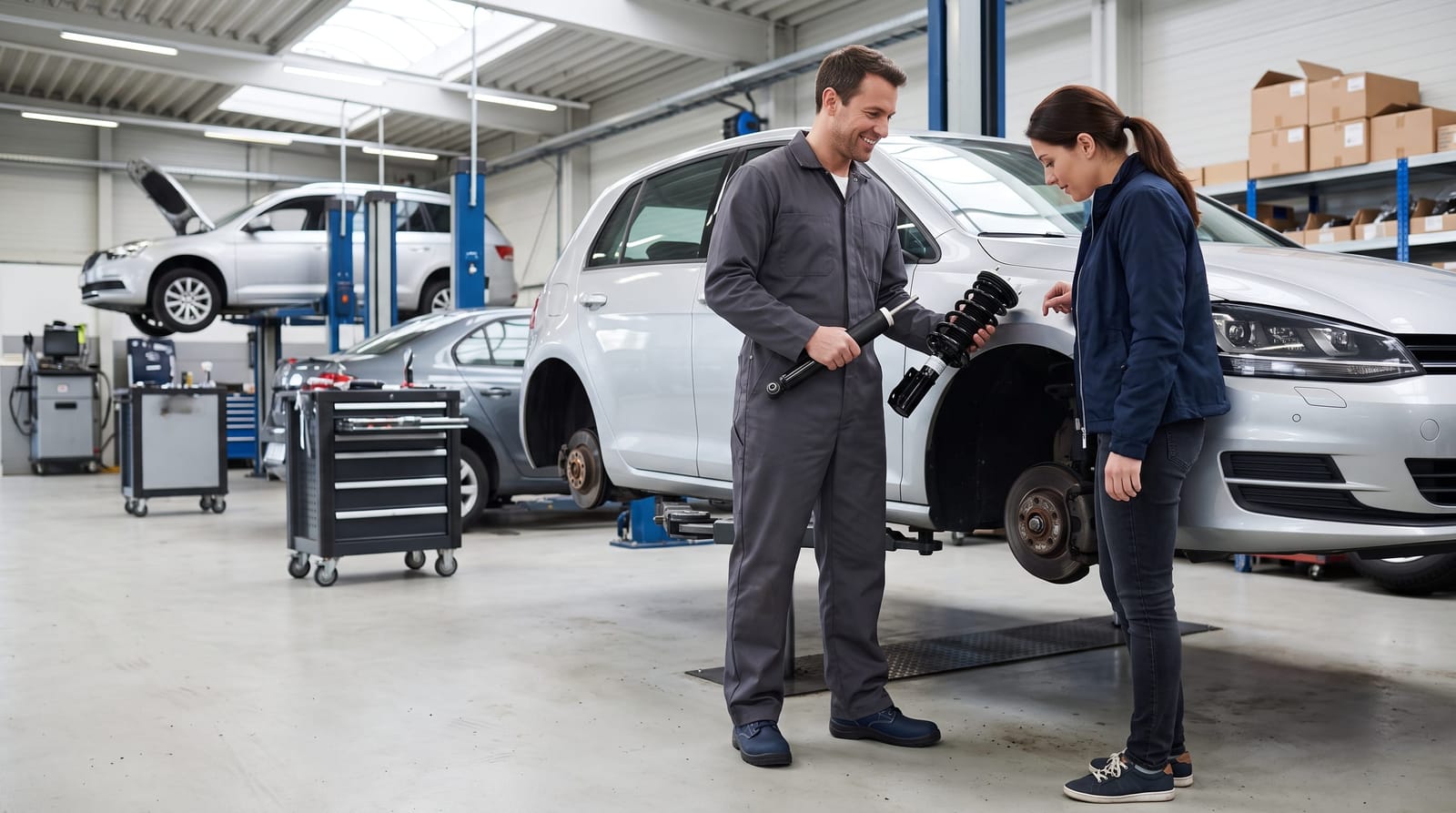
Worn ball joints, tie rod ends, control arm bushings, or a damaged sway bar can all affect how your vehicle tracks down the road. When these parts wear out, they allow too much movement in the wheel and steering system, making it impossible to hold a proper alignment. If your technician finds worn suspension parts, those need to be repaired first: alignment comes after. This is also why understanding related components matters; for example, knowing what a sway bar does and when it needs replacing can help you recognize when suspension wear might be contributing to a pulling problem.
Wheel Bearing Wear
A worn wheel bearing can create a subtle pull along with a humming noise that changes pitch with speed. Bearing wear tends to be gradual, so drivers sometimes dismiss the early signs until the pull becomes more pronounced.
The Diagnostic-First Approach: Why It Matters
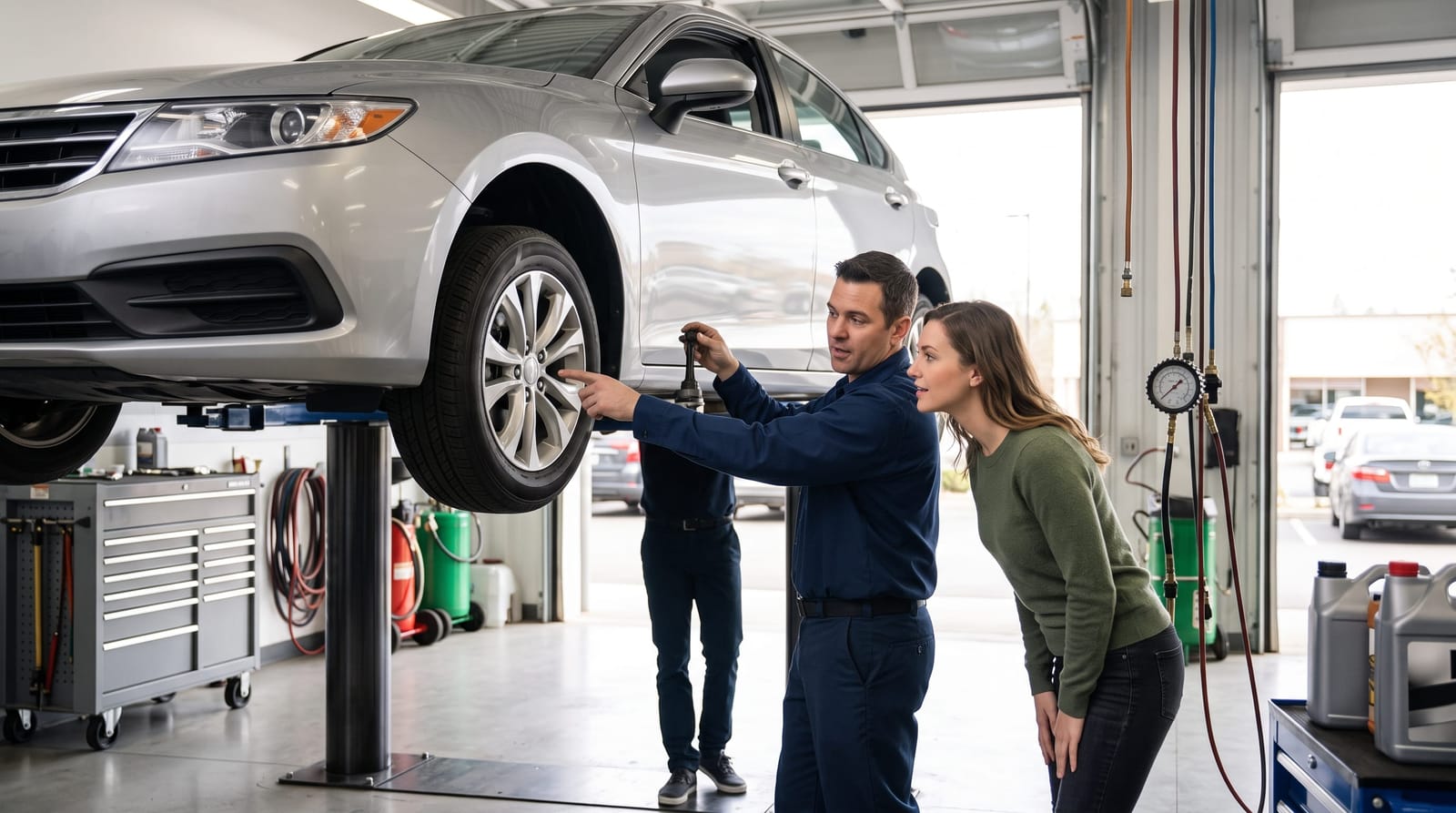
The most efficient way to fix pulling, and avoid paying for the wrong repair, is to start with a proper inspection rather than jumping straight to alignment. A diagnostic-first approach means a technician checks your tires, brakes, wheel bearings, and suspension components before making recommendations.
Here's a simplified version of what a thorough inspection might include:
- Tire pressure check: Confirms each tire is properly and evenly inflated
- Tire condition review: Looks for uneven wear, bulges, or belt issues
- Brake inspection: Checks for dragging calipers or uneven pad wear
- Suspension component check: Tests for looseness or wear in ball joints, tie rods, and bushings
- Alignment measurement: Reads current camber, caster, and toe angles against factory specs
Skipping straight to alignment without this process can result in spending money on a service that doesn't solve the problem. At Gregg Automotive, the approach starts with finding the actual cause, not just booking the most common service.
Frequently Asked Questions
Can a bad tire cause the same pulling symptoms as a misalignment?
Yes, absolutely. A tire with internal damage, a belt separation, or significantly different pressure than the opposite tire can pull your vehicle to one side in a way that mimics alignment problems. Technicians sometimes swap tires side to side to isolate whether a specific tire is responsible before proceeding with an alignment check.
How do I know if my car is pulling due to brakes or alignment?
One useful clue is when the pulling occurs. If the pull is constant while driving on a straight road, alignment or a tire issue is more likely. If the pull is most noticeable when you press the brake pedal, a dragging brake caliper or uneven brake pad wear is a more likely cause. Either way, a proper inspection will clarify the source.
How long does a wheel alignment typically take?
A standard four-wheel alignment usually takes between 45 minutes and an hour, depending on the vehicle and whether any adjustments are straightforward. If worn components are discovered during the process, additional repair time may be needed before the alignment can be completed properly.
Does wheel alignment fix pulling to one side permanently?
Alignment addresses the angles at that point in time. It should hold for a reasonable period, typically 12 months or 12,000 miles under normal conditions, unless your vehicle hits something significant or has underlying worn parts that cause it to drift out of spec again. If the alignment keeps going out quickly, it usually points to a worn suspension or steering component that needs attention.
The Bottom Line
Wheel alignment does fix pulling to one side, when misalignment is actually the cause. But pulling can also come from tire pressure, worn tires, brake issues, or suspension wear, none of which alignment alone will correct. The smarter path is a proper diagnostic inspection first. That way, you know exactly what's causing the problem before any work is done. If your car is pulling and you're in the Forney, TX area, Gregg Automotive can walk through the full picture with you: no guesswork, no unnecessary upsells, just an honest look at what's going on.