How Do I Know If My Ball Joints Are Wearing Out?
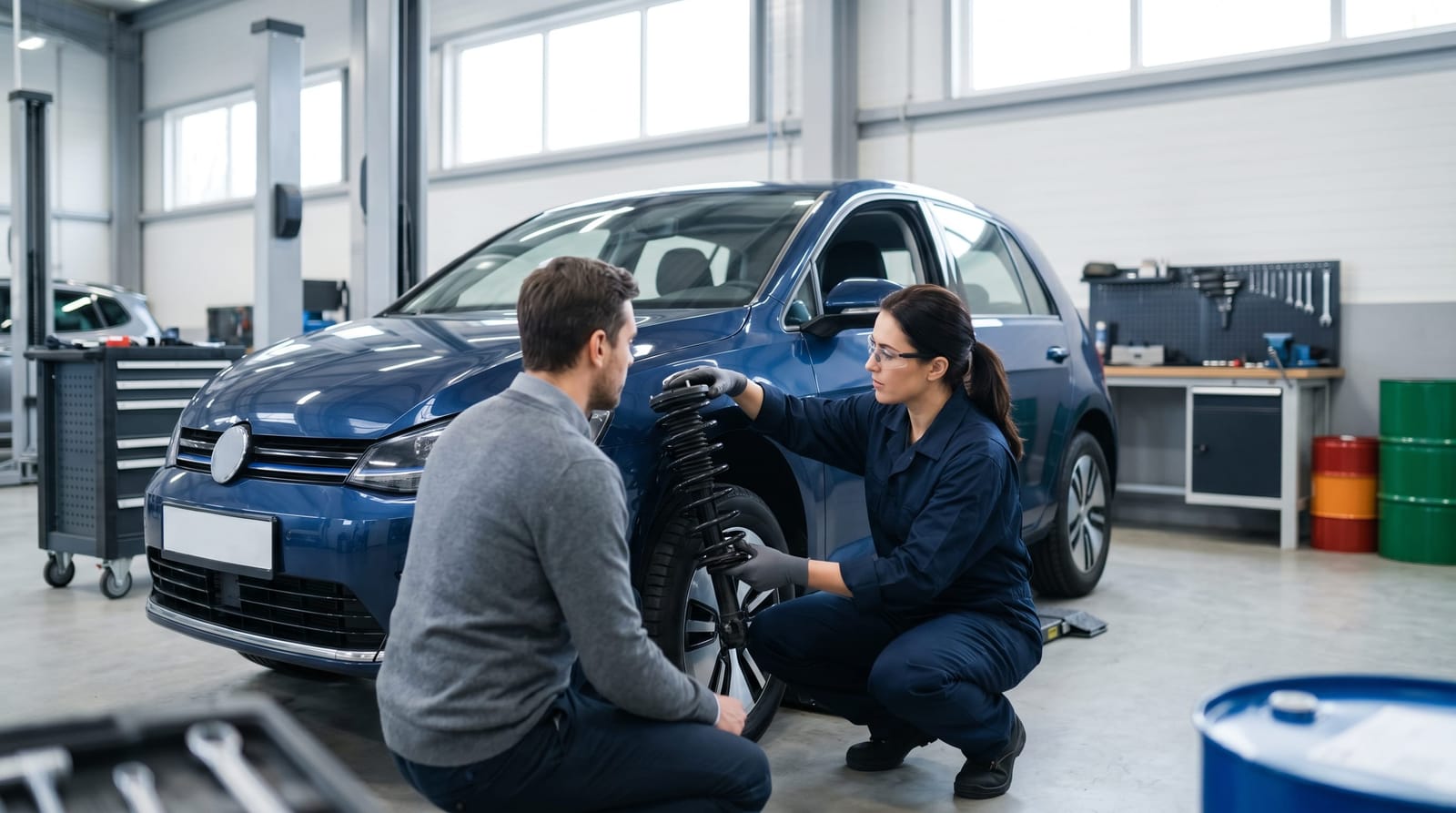
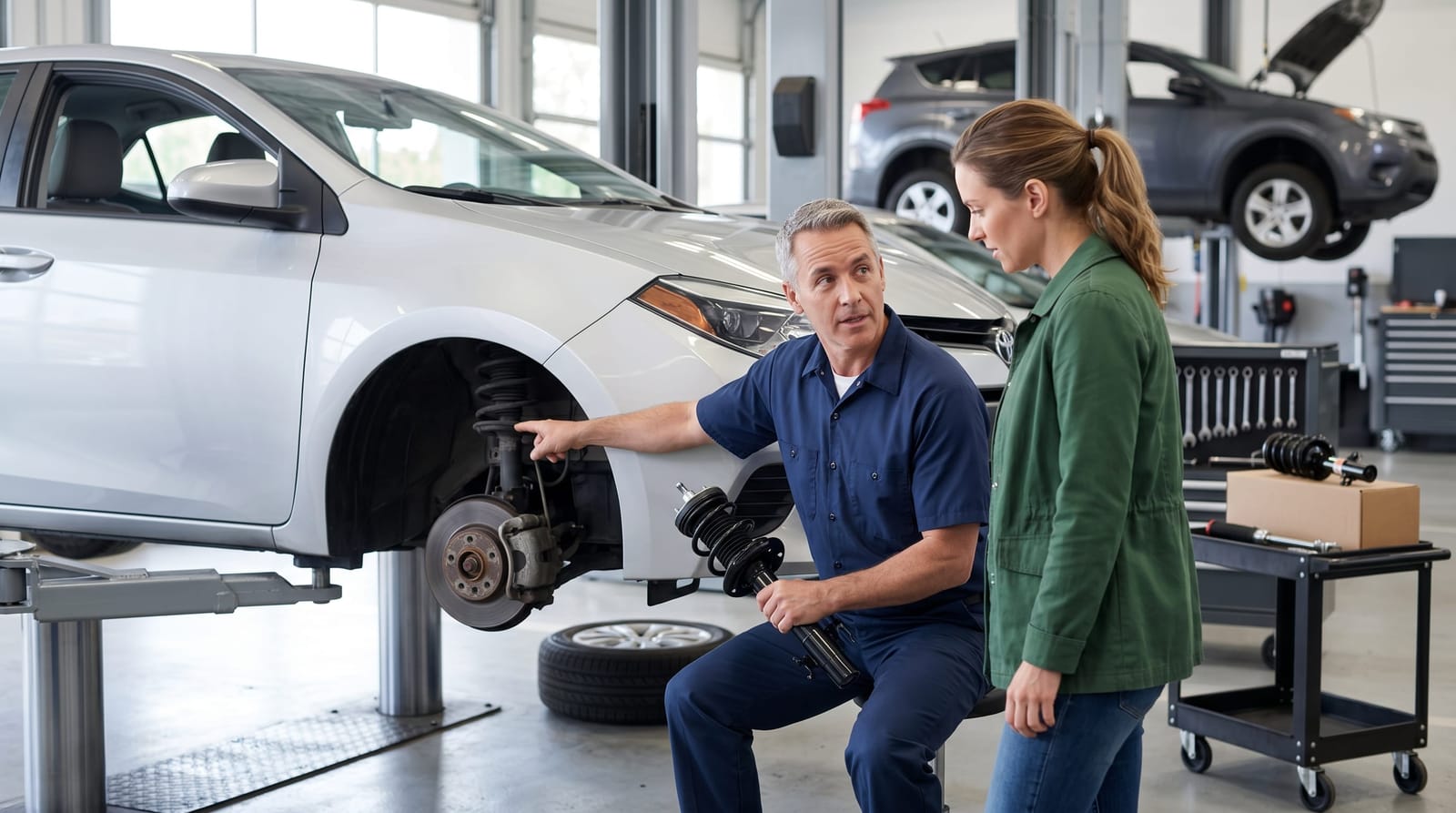
If your car has started making strange noises when you go over bumps, or your steering feels a little "loose" compared to how it used to feel, you might be dealing with worn ball joints. Ball joints are a key part of your vehicle's suspension system, and when they start to go, they give off some pretty clear warning signs. This post will walk you through the most common ball joint wear symptoms, explain what's actually happening inside your suspension, and help you decide when it's time to bring your car in for an inspection.
What Do Ball Joints Actually Do?
Before diving into the symptoms, it helps to understand what ball joints are and why they matter. A ball joint is a small but critical connector between your vehicle's wheel assembly and the suspension control arms. Think of it like the ball-and-socket joint in your hip: it allows the wheel to pivot and move up and down while the steering system guides the wheel left and right.
Most vehicles have at least two ball joints per wheel, an upper and a lower, though many front-wheel-drive vehicles use only lower ball joints. That means a typical vehicle has anywhere from two to four ball joints total, all working together to keep your tires in proper contact with the road while maintaining steering control.
Inside each ball joint is a metal ball housed in a lubricated socket. Over time, that lubrication breaks down, the socket wears down, and the ball starts to move with more play than it should. That extra movement is what causes the symptoms most drivers notice first.
The Most Common Ball Joint Wear Symptoms
Catching ball joint wear early makes a real difference in terms of both safety and repair cost. Here are the signs you should watch and listen for:
Clunking or Knocking Noises
This is usually the first thing drivers notice. A worn ball joint develops extra play in the socket, and when you hit a bump, pothole, or uneven pavement, that loose connection creates a distinct clunking or knocking sound. The noise typically comes from the front of the vehicle and may get louder as the wear progresses. Many drivers describe it as a metallic knock that seems to come from underneath the car rather than from the engine.
Steering That Feels Vague or Loose
Ball joint wear symptoms often show up in how your steering feels before you ever hear a noise. A worn ball joint can cause:
- Steering that feels "wandering" or slow to respond
- A slight delay between turning the wheel and the car following
- A vibration in the steering wheel, especially at highway speeds
- Steering that requires constant small corrections to keep a straight line
These changes can be subtle at first, which is why many drivers don't immediately connect them to suspension issues. But if your car no longer steers with the precision it once did, the ball joints are one of the first places a mechanic will look.
Uneven or Rapid Tire Wear
When a ball joint is worn, your wheel alignment changes, often without you realizing it. The wheel is no longer held at the correct angle, and that causes uneven contact with the road surface. Over time, this produces uneven tire wear patterns, particularly on the inner or outer edges of the tire. Studies suggest that improper alignment caused by worn suspension components can reduce tire life by as much as 25%, meaning a set of tires that should last 50,000 miles might wear out in 37,000 miles or less.
Vehicle Pulling to One Side
A bad ball joint on one side of the vehicle can cause the suspension geometry on that side to shift, making the car pull consistently to the left or right while driving straight. This is different from normal tire pressure pulling: it tends to be more persistent and doesn't go away after rotating or inflating the tires.
How to Check Ball Joints: What a Mechanic Looks For
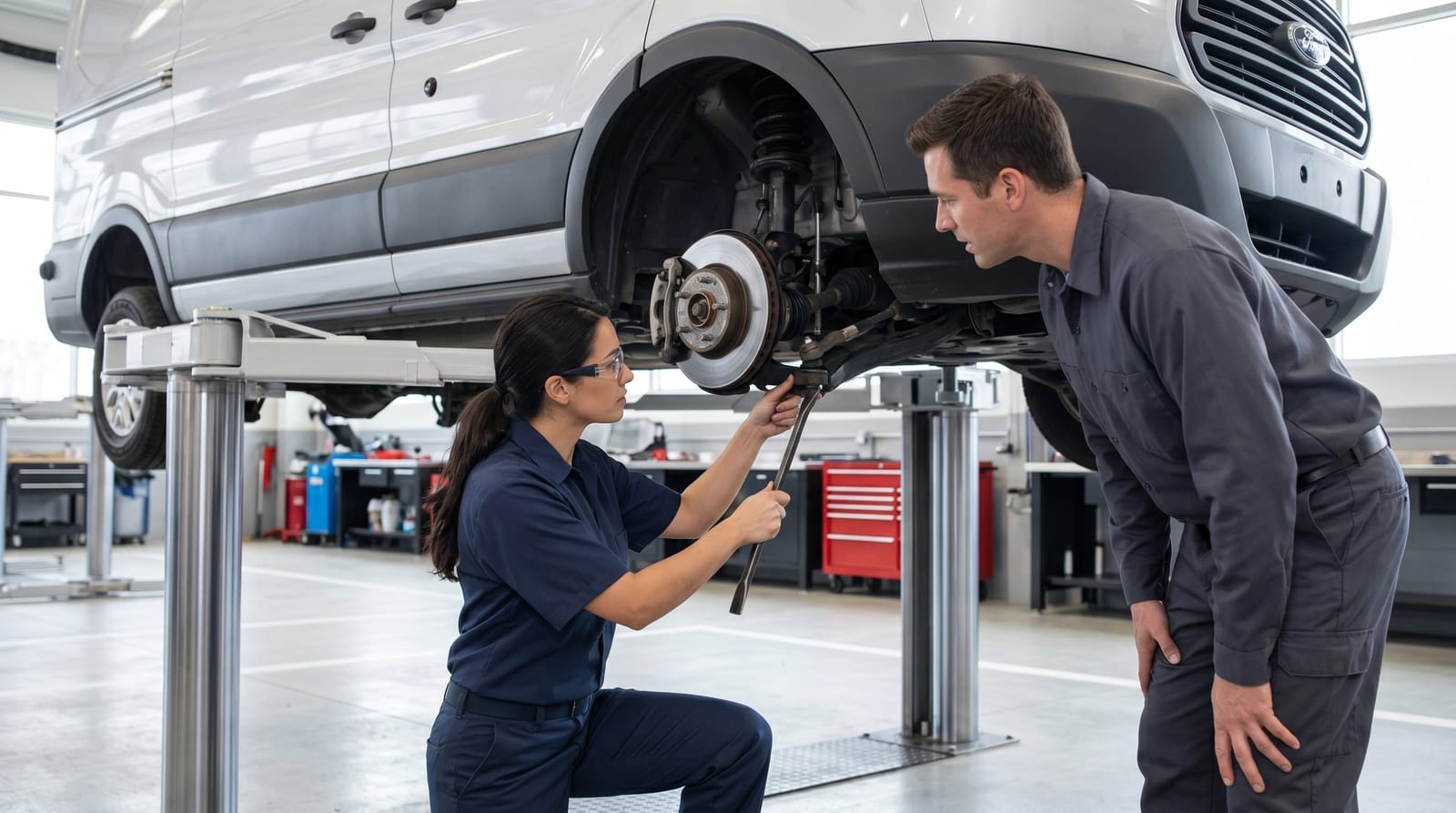
If you're experiencing any of the ball joint wear symptoms above, here's a general idea of how a proper inspection works. This isn't a DIY procedure for most drivers, but understanding the process helps you have a better conversation with your mechanic.
A technician will typically:
- Lift the vehicle safely on a lift or jack stands to remove the weight from the suspension
- Grip the tire at the top and bottom and attempt to rock it in and out: any visible movement at the ball joint indicates wear
- Grip the tire at the 9 o'clock and 3 o'clock positions to check for horizontal play
- Visually inspect the ball joint boot for cracks, tears, or grease leakage
- Check manufacturer specifications: most ball joints should have zero to minimal measurable play, often less than 0.050 inches before replacement is needed
A torn or cracked boot is worth noting even if the joint itself still feels tight. Once the protective boot tears, grease escapes and dirt enters, and a joint in that condition can go from "needs monitoring" to "needs replacement" within a few thousand miles.
When Should Ball Joints Be Replaced?
There's no universal mileage number that applies to every vehicle: ball joint lifespan varies significantly based on road conditions, vehicle weight, and driving habits. That said, here are some general guidelines:
- Many ball joints last between 70,000 and 150,000 miles under normal driving conditions
- Vehicles regularly driven on rough roads, gravel, or with frequent heavy loads tend to see ball joint wear much earlier
- A visual inspection at every tire rotation (roughly every 5,000-7,500 miles) is a reasonable way to catch wear early
- Any ball joint showing visible play during a physical inspection should be replaced promptly
Driving on worn ball joints isn't something to put off. As wear increases, the risk of the joint separating from the suspension grows. Understanding what can happen if a ball joint fails completely while the vehicle is in motion is important context for understanding why early replacement matters, and if you want to understand the full picture of that risk, the details around what happens if a ball joint breaks while driving are worth reviewing when that resource becomes available.
Frequently Asked Questions About Ball Joint Wear Symptoms
Can I drive with a worn ball joint?
It depends on the degree of wear. A ball joint showing early signs of wear may be safe to drive on for a short period, but a joint with significant play or a torn boot should be inspected and likely replaced as soon as possible. Continued driving on a badly worn joint increases the risk of the joint failing, which can result in a loss of steering control. If your shop finds measurable play in the joint, don't delay getting it addressed.
How much does ball joint replacement typically cost?
Ball joint replacement costs vary depending on your vehicle make, how many joints need replacing, and whether other suspension components need attention at the same time. On most passenger vehicles, a single ball joint replacement runs between $150 and $400 including parts and labor, though some vehicles with more complex suspension designs can run higher. Replacing ball joints in pairs is sometimes recommended when one side is worn, since both sides likely have similar mileage on them.
Will a bad ball joint always make noise?
Not always, especially in the early stages. Some ball joints wear gradually and quietly, showing up first as steering looseness or uneven tire wear before any audible clunking develops. This is one reason why regular suspension inspections are worth doing even when you haven't noticed any obvious noise or handling changes.
Can worn ball joints affect my wheel alignment?
Yes, and this is one of the more overlooked ball joint wear symptoms. Because ball joints hold the wheel at a specific angle, wear changes that geometry and throws off your alignment. If your vehicle keeps going out of alignment shortly after an alignment service, worn ball joints or other suspension components are often the underlying cause. Getting alignment done on a vehicle with bad ball joints is a temporary fix at best: the alignment will shift again as the worn joint continues to move.
What to Do If You're Noticing These Symptoms
Ball joint wear symptoms like clunking noises, vague steering, and uneven tire wear are worth taking seriously, not because they're cause for alarm, but because catching them early leads to simpler, less expensive repairs and keeps your vehicle handling the way it should. Ball joints are a foundational part of your suspension system, and their condition affects everything from how your car steers to how evenly your tires wear. If you're noticing any of the signs covered here, having a qualified technician take a look is the right next step. At Gregg Automotive, we're happy to inspect your suspension and give you a straightforward assessment: no pressure, just honest answers about what your vehicle actually needs.