How Often Should Brake Rotors Be Replaced?
Brake rotors are one of those parts most drivers don't think about until something feels wrong: a vibration in the steering wheel, a grinding noise, or a pulsing sensation when slowing down. But understanding brake rotor replacement frequency before problems develop can save you money and help keep your vehicle safe. As part of taking good care of your brakes overall, knowing when rotors need attention is just as important as keeping up with brake pad changes. This post gives you a straightforward look at how long rotors typically last, what shortens their lifespan, and how to get the most out of them.
What Is the Typical Lifespan of Brake Rotors?
Most brake rotors are built to last between 50,000 and 70,000 miles under normal driving conditions. Some drivers see their rotors go even longer, closer to 70,000 miles or beyond, when they drive mostly on highways, practice smooth braking habits, and stay current with brake pad replacements. Others may find their rotors worn down well before the 50,000-mile mark, particularly in stop-and-go urban traffic or hilly terrain.
It's worth noting that brake rotor replacement frequency isn't tied to a single number. Unlike an oil change interval, there's no universal mileage stamp that says "replace now." Rotors wear differently depending on how and where you drive, what kind of vehicle you have, and whether your brake pads were replaced on time. A good rule of thumb is to have your rotors inspected at every brake service and at least once a year as part of a routine vehicle checkup.
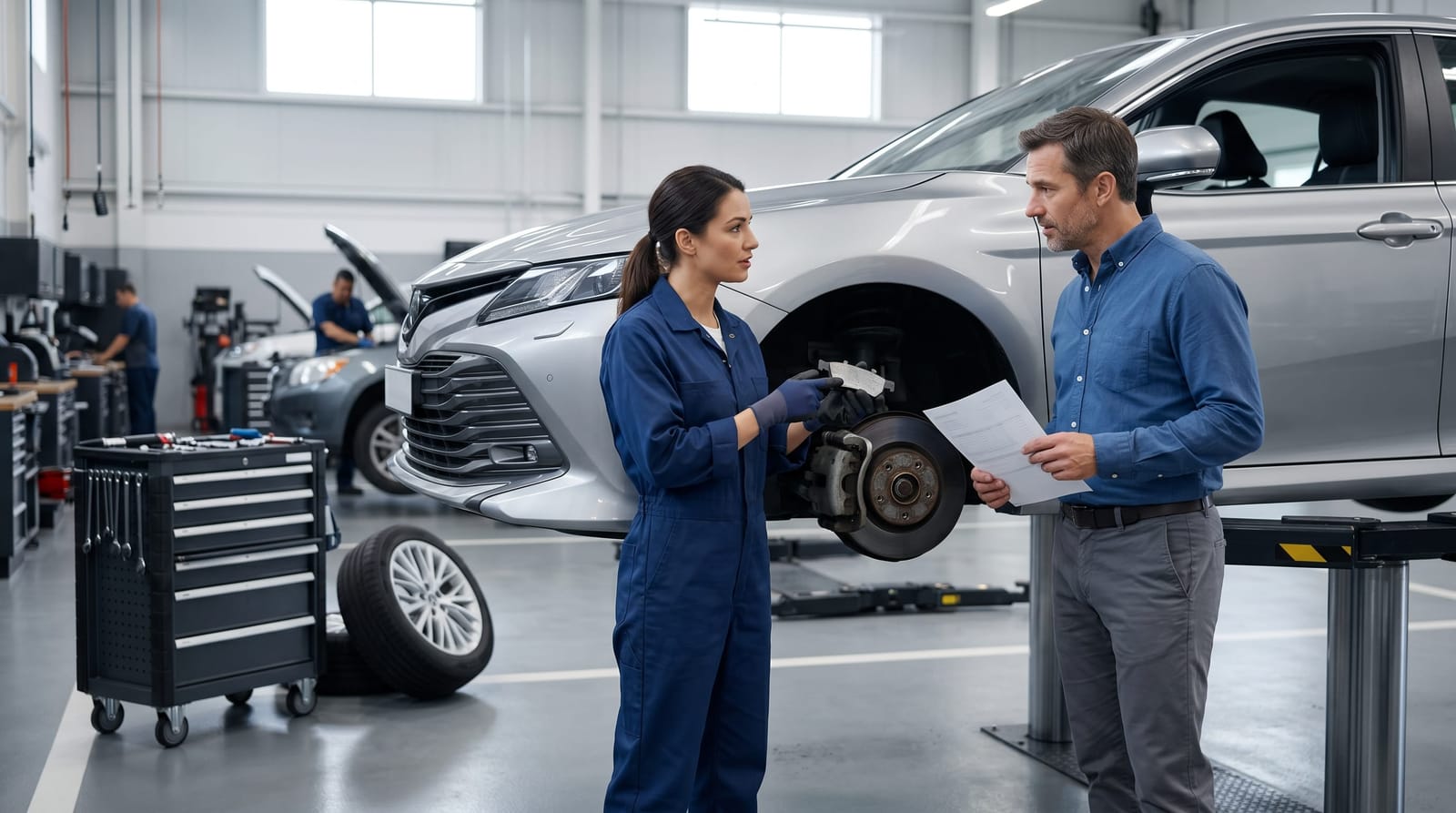
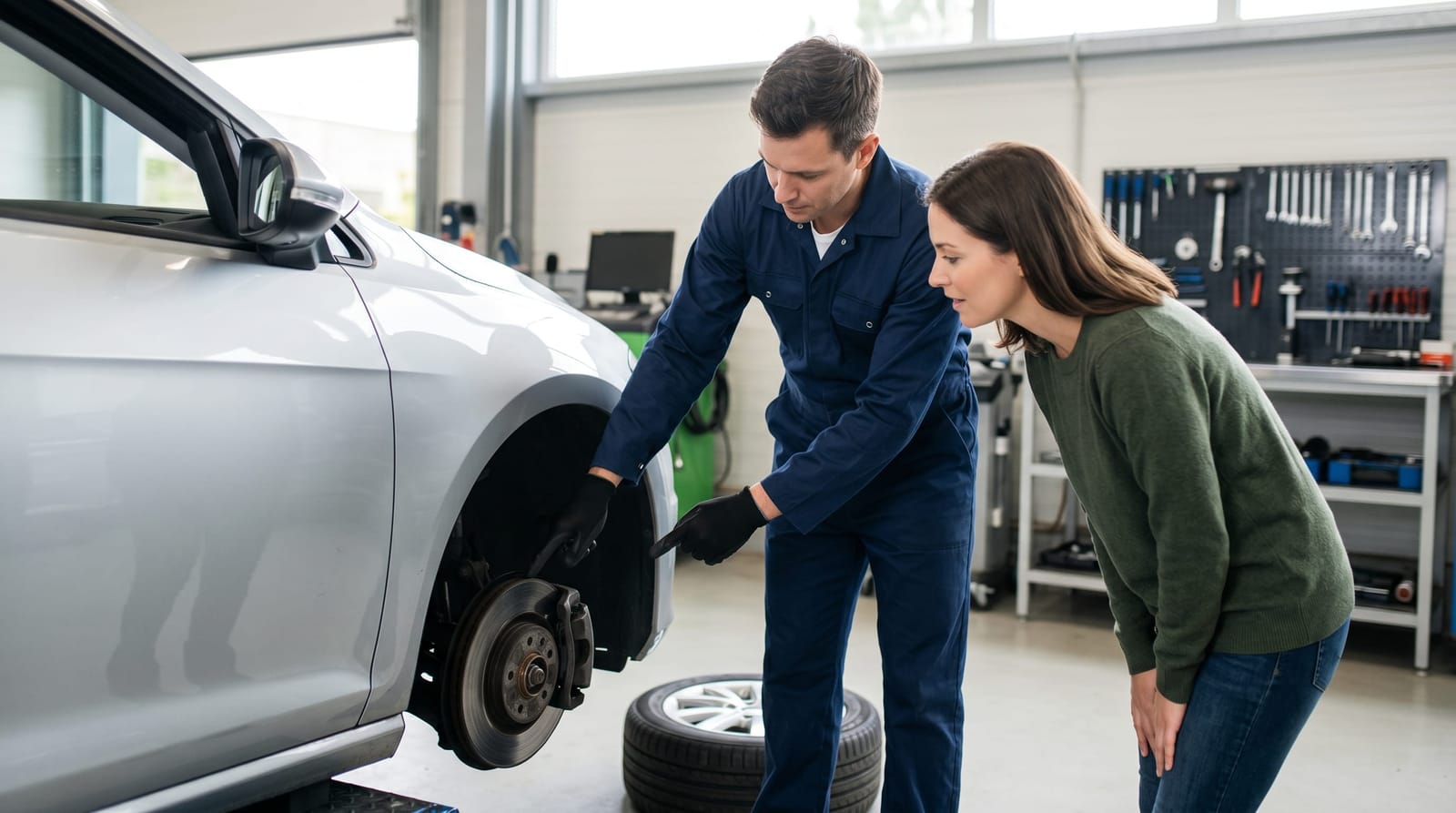
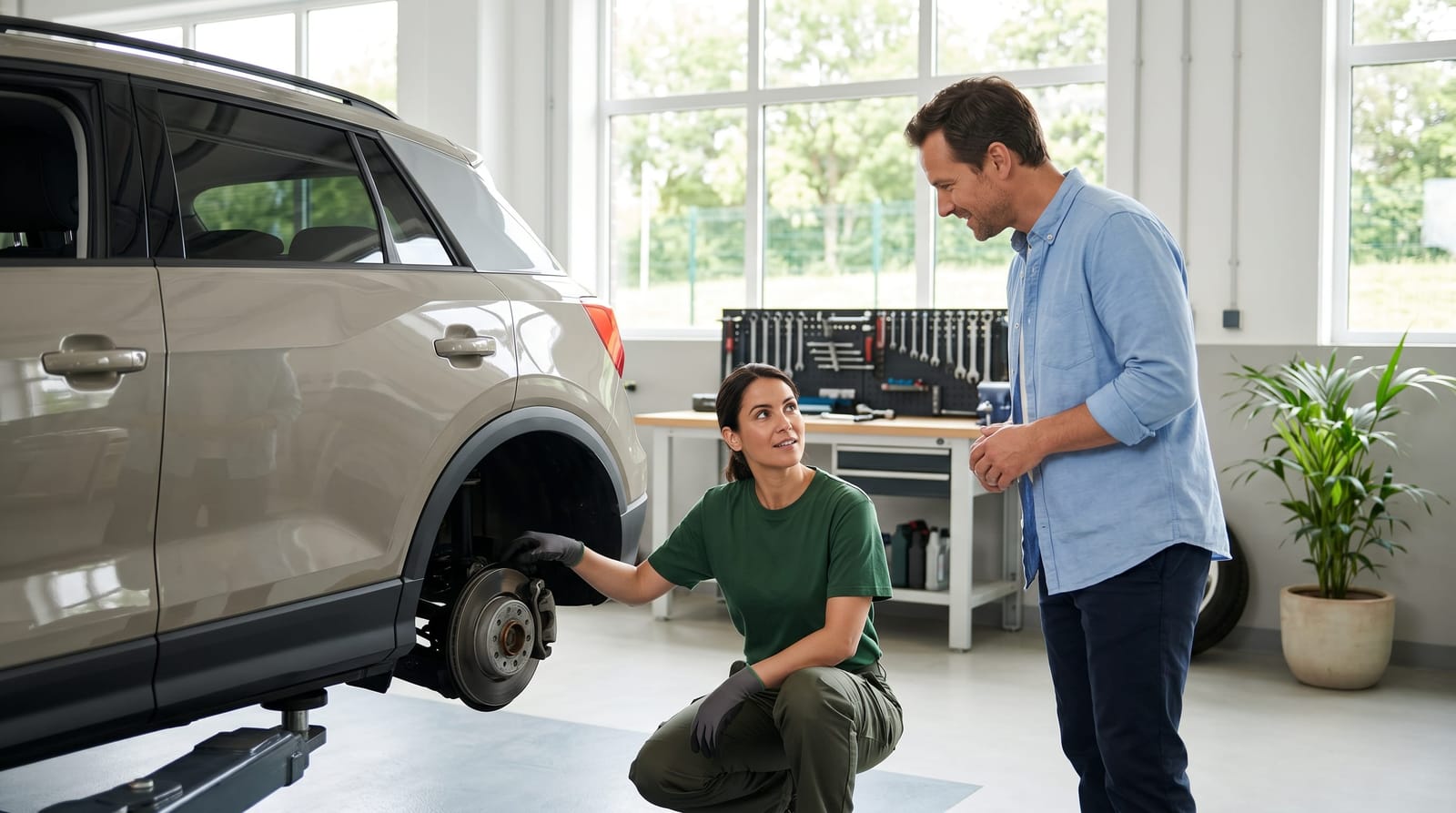
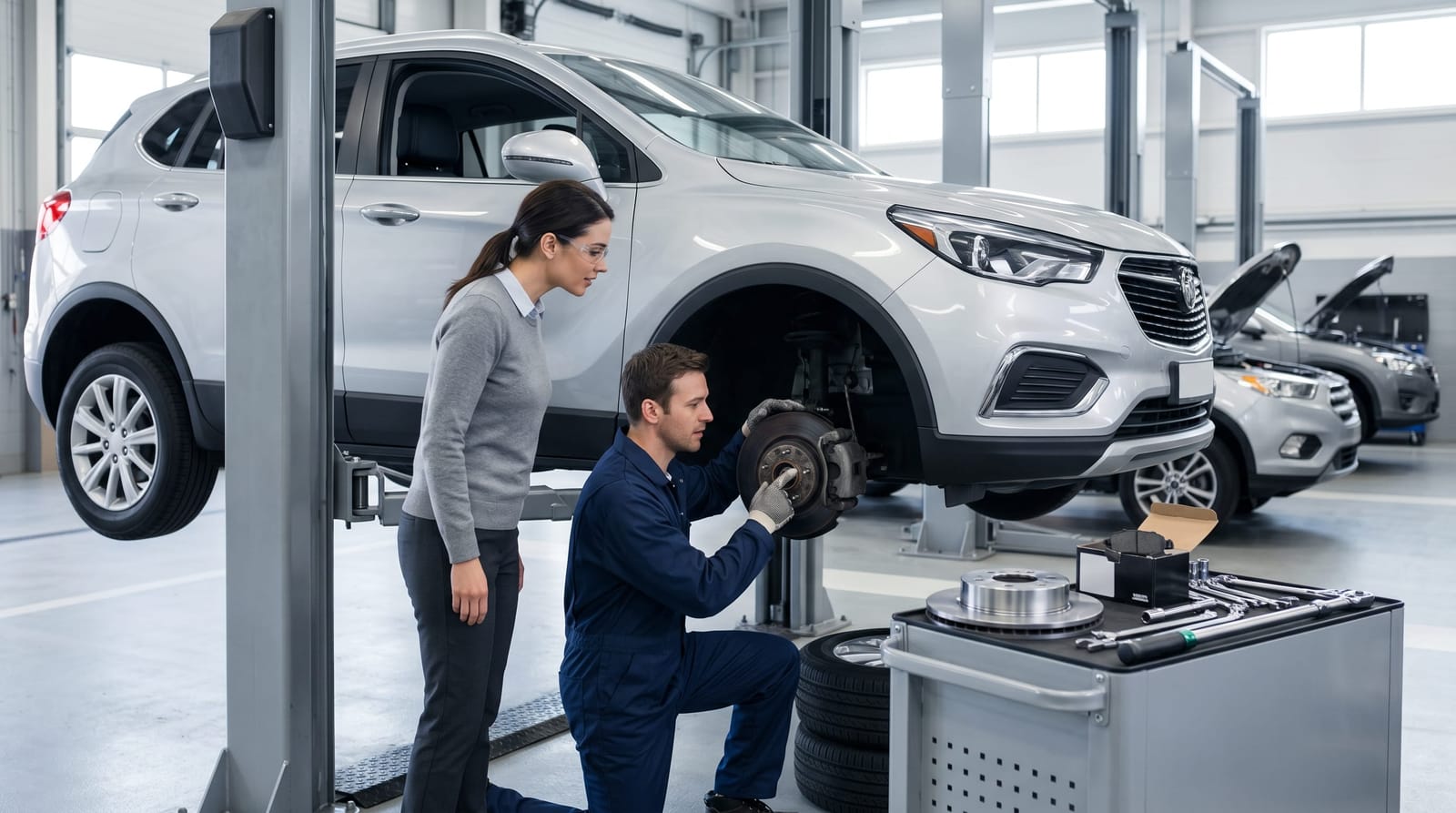
When rotors are inspected, a technician measures their thickness using a specialized tool. Every rotor has a minimum thickness specification set by the manufacturer, if the rotor has worn below that measurement, it needs to be replaced regardless of mileage. Rotors that are too thin don't dissipate heat properly, which can affect stopping performance.
Factors That Affect How Quickly Rotors Wear Down
Understanding what drives rotor wear helps you make smarter decisions about maintenance. Several factors play a meaningful role in how long your rotors last:
- Driving habits: Frequent hard braking generates significant heat and puts extra stress on rotors. Drivers who gradually slow down rather than braking sharply at the last moment typically see longer rotor life.
- Driving environment: City driving with constant stopping and starting accelerates wear compared to steady highway miles. Mountainous or hilly areas where drivers ride the brakes on descents also shorten rotor lifespan.
- Brake pad type: Harder, more aggressive brake pad compounds can wear rotors down faster. Softer pads tend to be gentler on rotors but may wear out more quickly themselves. A shop that knows your vehicle and how you drive can recommend the right balance.
- Vehicle weight: Heavier vehicles, trucks, SUVs, and vans, put more demand on the braking system. Their rotors typically experience more wear than those on lighter passenger cars under the same driving conditions.
- Delaying brake pad replacement: This is one of the most common causes of premature rotor damage. When brake pads wear down to the metal backing plate, that metal grinds directly against the rotor surface, causing deep scoring that often means the rotor must be replaced rather than simply resurfaced.
Signs That Your Rotors May Need Replacement
Even if you're not tracking your mileage closely, your vehicle will usually give you signals when something isn't right with the rotors. Here are the most common warning signs to watch for:
Vibration or Pulsing When Braking
If you feel a shudder or pulsing sensation through the brake pedal or steering wheel when you slow down, the rotor surface may be uneven. This is sometimes described as "warped" rotors, though in many cases the issue is actually deposits from brake pad material building up unevenly on the rotor surface rather than a true physical warp. Either way, it's worth having a technician evaluate it: some cases can be corrected by resurfacing the rotor, while others require full replacement. If you're curious about when resurfacing is an option versus when full replacement is necessary, our post on whether warped brake rotors can be fixed or must be replaced covers that topic in more detail.
Visible Grooves or Scoring
Deep grooves or score marks on the rotor face are a clear sign of wear. Minor surface rust, the light orange coating that can appear after rain or after a vehicle sits for a few days, is usually normal and wears off quickly once you drive. But deep, consistent grooves that you can see or feel with your finger indicate the rotor surface has been damaged and likely needs replacement.
Grinding or Squealing Noises
A high-pitched squeal is typically the brake pad wear indicator telling you the pads are getting low. A grinding sound, especially one that gets worse when you apply the brakes, often means the pads are already worn through and metal is contacting the rotor. At that stage, rotor damage is very likely and a prompt inspection is important.
Longer Stopping Distances
If your vehicle seems to take more distance to come to a complete stop than it used to, that's a change worth taking seriously. Worn or damaged rotors reduce braking efficiency, and this is the kind of symptom that warrants a professional inspection rather than a wait-and-see approach.
How to Extend the Life of Your Brake Rotors
Getting the full 50,000 to 70,000 miles, or more, out of your rotors isn't complicated. It mostly comes down to consistent, practical maintenance habits.
- Replace brake pads on schedule. Don't wait until you hear grinding. Most brake pads should be replaced when they reach about 3mm of remaining thickness. Catching them before they're completely worn protects the rotors from contact damage.
- Have rotors inspected regularly. Aim for a brake inspection at least once a year or every 12,000 miles: whichever comes first. Many shops check the rotors whenever they rotate tires, which is a convenient opportunity.
- Brake gradually when possible. Smooth, progressive braking puts less thermal stress on rotors than repeated hard stops. On the highway, start slowing down earlier rather than waiting until the last moment.
- Avoid prolonged braking on long descents. On steep grades, consider engine braking (downshifting or releasing the accelerator) to reduce how much work the brakes have to do.
- Address brake issues promptly. If you notice any of the warning signs described above, getting an inspection done sooner rather than later usually means a less expensive repair outcome.
Should You Replace Rotors in Pairs?
When one rotor needs replacement, it's generally recommended to replace both rotors on the same axle at the same time: meaning both front rotors together or both rear rotors together. This keeps braking balanced from side to side. If one rotor is significantly thicker or newer than the other, the vehicle can pull slightly to one side during braking. Replacing in pairs ensures consistent, even stopping performance and is considered standard practice at most reputable shops.
Frequently Asked Questions
Can I resurface rotors instead of replacing them?
In some cases, yes. Resurfacing, also called turning or machining, removes a thin layer of the rotor surface to restore a smooth, even face. It's only an option when the rotor still has enough thickness remaining above the manufacturer's minimum specification after the material is removed. Rotors that are already at or near minimum thickness must be replaced. A technician can measure and advise you on which option applies to your specific rotors.
How do I know if my rotors are at minimum thickness?
A technician uses a brake rotor micrometer to measure the rotor's current thickness and compares it to the minimum thickness specification, which is typically stamped directly on the rotor itself or listed in the vehicle's service manual. This is a straightforward measurement that takes just a few minutes during a brake inspection.
Do front and rear rotors wear at the same rate?
No: front rotors typically wear faster than rear rotors. In most vehicles, the front brakes handle roughly 60 to 70 percent of the braking force, so front rotors and pads naturally experience more wear. It's common for front brake components to need service more frequently than the rear.
Is surface rust on brake rotors a problem?
Light surface rust that appears after rain or a few days of sitting is generally not a concern. It typically wears off within a few normal stops. Heavy, pitted, or deeply flaking rust, often seen on vehicles that have sat unused for extended periods, is a different situation and warrants a closer look from a technician.
The Bottom Line on Brake Rotor Replacement
Brake rotor replacement frequency isn't a fixed schedule: it's a combination of mileage, driving habits, maintenance history, and what your rotors actually look like when inspected. Most rotors hold up well for 50,000 to 70,000 miles with proper care, but the best way to know where yours stand is to have them checked regularly. Staying on top of brake pad replacement and scheduling routine brake inspections are the two most effective things you can do to get the most life out of your rotors and keep your vehicle stopping reliably. If you have questions about your brakes or want a straightforward inspection, Gregg Automotive is here to help.