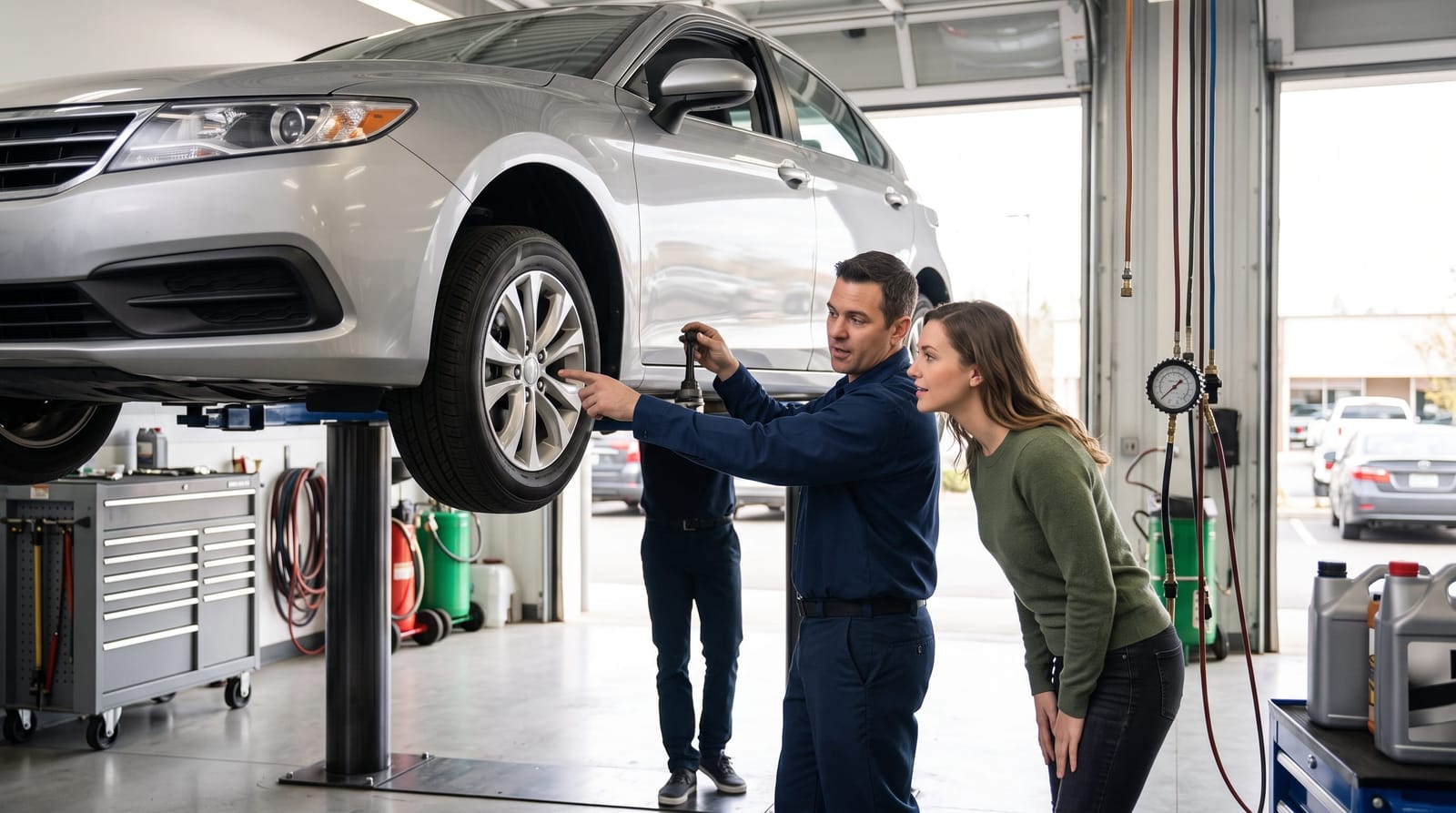
Power Steering Fluid Leak: Signs, Causes, and Repair Cost
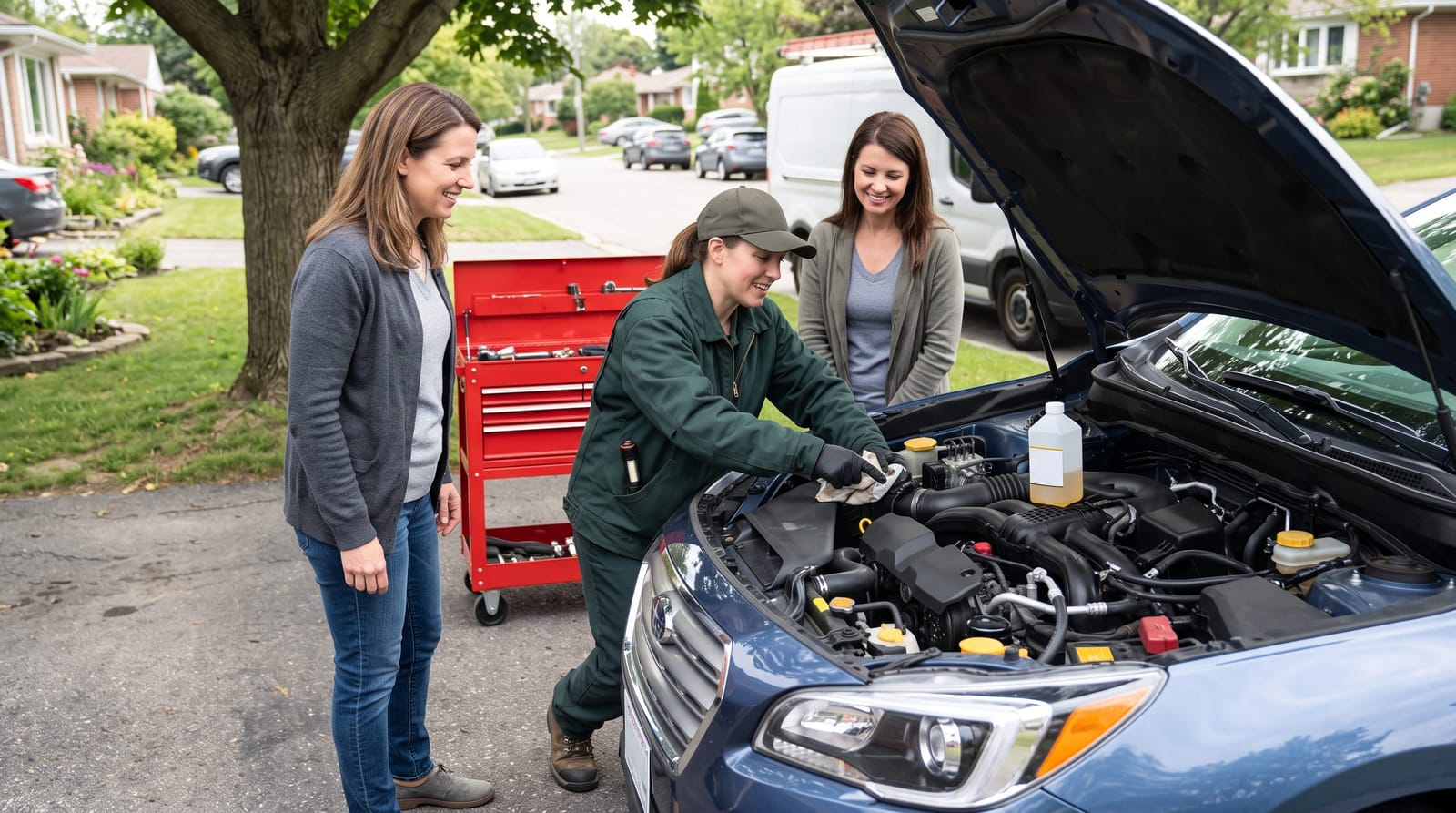
If you've noticed a small puddle under your car or your steering wheel has started to feel heavier than usual, you might be dealing with a power steering fluid leak. It's one of those issues that's easy to overlook at first but can make driving noticeably more difficult if left unaddressed. This guide walks you through exactly what to look for, what typically causes these leaks, and what you can realistically expect to pay for repairs here in the Forney area, so you can make an informed decision before heading to a shop.
What Is Power Steering Fluid and Why Does It Matter?
Power steering fluid is a hydraulic fluid that helps your steering system work smoothly. When you turn the wheel, this fluid transfers force through the system, making it much easier to steer your vehicle, especially at lower speeds or while parking. Without enough fluid, your steering system has to work harder, and you'll feel that extra effort in your hands.
Most drivers don't think about power steering fluid until something goes wrong, which is completely understandable. It's not on the same maintenance checklist as oil changes or tire rotations. But like other fluids in your vehicle, the power steering fluid circulates through hoses, seals, and a pump, all of which can develop leaks over time, especially as a vehicle ages.
It's worth noting that some newer vehicles use electric power steering and don't have a hydraulic fluid system at all. If you're unsure which type your vehicle has, a quick check of your owner's manual or a conversation with a technician can clear that up right away.
How to Spot a Power Steering Fluid Leak
Knowing what to look for early can save you from a bigger repair down the road. Here are the most common signs that your power steering system may be leaking:
- Puddle or stain under the front of your vehicle: Power steering fluid is typically reddish or amber in color (similar to transmission fluid) and tends to collect near the front-center or front-left area of the vehicle. If you notice a slick spot on your driveway or parking space, check the color and location.
- Steering feels heavier or stiffer: If turning your wheel, especially at slow speeds, requires noticeably more effort than usual, low fluid from a leak is a common reason.
- Whining or groaning noise when turning: A high-pitched whine or moaning sound that happens as you turn the wheel is a classic symptom of low power steering fluid. The pump makes that noise when it's working without adequate fluid.
- Fluid level drops between checks: If you check your power steering reservoir and it's consistently low, even after topping it off, fluid is going somewhere, and a leak is the most likely explanation.
- Visible fluid on hoses or around the pump: Sometimes you can actually see fluid seeping around the hose connections, the pump itself, or along the steering rack underneath the vehicle.
If you're also noticing unusual sensations through your steering wheel, it may be worth reading about vibrating steering wheel suspension issues, since steering and suspension symptoms can sometimes overlap.
What Causes a Power Steering Fluid Leak?
Power steering leaks don't usually happen overnight. They tend to develop gradually, and there are a few common culprits:
Worn or Cracked Hoses
The hoses that carry fluid through your power steering system are made of rubber, and rubber wears out over time. Heat cycles, age, and general road conditions can cause hoses to crack, harden, or develop small holes at the connection points. This is actually one of the more common causes of leaks and is often one of the more straightforward repairs.
Failing Seals
The power steering pump and rack assembly both use seals to keep fluid contained. These seals can dry out and shrink over time, especially in vehicles with higher mileage. When seals go, fluid starts seeping out gradually: it's slow at first but gets worse without attention.
Power Steering Pump Issues
If the pump itself develops a leak, it usually means the internal seals or the pump housing have been compromised. A leaking pump often comes with that whining noise mentioned earlier, making it easier to pinpoint as the source.
Steering Rack Leaks
The steering rack sits low on the vehicle and connects your steering wheel movement to the wheels themselves. Leaks from the rack tend to be more involved to repair because of where the component is located and how much labor is required to access it.
What Does Power Steering Fluid Leak Repair Cost in the Forney Area?
This is usually the first question drivers want answered, and it's a fair one. Repair costs vary based on what's actually leaking, your specific vehicle, and where you take it for service.
Here's a general breakdown of typical repair cost ranges:
- Hose replacement: Roughly $150 to $400, including parts and labor. This is typically the most affordable fix when a hose is the source of the leak.
- Power steering pump replacement: Generally falls in the $300 to $600 range depending on the vehicle make and model.
- Steering rack replacement: This is the most expensive repair in this category, often ranging from $500 to $800 or more, because it involves more labor and larger components.
Overall, most power steering fluid leak repairs fall somewhere between $300 and $800 for the Forney and Kaufman County area, though the exact number depends on what your specific vehicle needs. Simple hose repairs are on the lower end; full rack replacements are on the higher end.
Local Shop vs. Dealership Pricing
Dealerships typically charge higher labor rates than independent shops, and they may only use OEM (original equipment manufacturer) parts, which adds to the cost. A trusted local shop like Gregg Automotive can often perform the same quality repairs using reliable parts at a more competitive price. The key is finding a shop that's upfront about what needs to be done and why, so you're never paying for more than your vehicle actually requires.
What Should You Do If You Suspect a Leak?
You don't need to panic if you spot one of these symptoms, but you also don't want to keep putting off a check. Here's a simple approach:
- Check your power steering fluid reservoir. Most vehicles have a clearly labeled reservoir under the hood with a min/max indicator. If it's low, that's a signal worth following up on.
- Note any symptoms you're experiencing. Stiffness in the wheel, unusual sounds, or spots on the ground are all helpful details for a technician.
- Avoid topping off fluid repeatedly as a long-term solution. Adding fluid can help temporarily, but it doesn't fix the source of the leak. The fluid will continue to go somewhere, and the underlying problem won't get better on its own.
- Schedule an inspection sooner rather than later. Power steering leaks are generally not emergency situations when caught early, but they do get worse over time and can affect how safely and comfortably your vehicle drives.
Frequently Asked Questions
Can I drive with a power steering fluid leak?
You can drive short distances if the fluid level is still adequate, but it's not something to ignore for long. As the fluid level drops, steering becomes harder and the pump can sustain damage from running without proper lubrication. It's best to have it looked at before it becomes a more expensive problem.
How do I know if it's power steering fluid or another fluid leaking?
Power steering fluid is typically reddish or light amber and has a slightly oily texture. It often pools near the front of the vehicle. Transmission fluid is also reddish but usually found further back. Engine oil is darker and brown. If you're unsure, a technician can identify the fluid quickly during an inspection.
Is a power steering fluid leak covered by my car warranty?
That depends on your specific warranty terms and the age and mileage of your vehicle. For questions about what your warranty covers, it's best to check your warranty documentation directly or contact your dealership or warranty provider. This article is for general educational purposes only.
How long does a power steering fluid leak repair take?
A hose replacement or minor seal repair can often be completed in a few hours. A power steering pump or rack replacement may take longer: sometimes a full day depending on the vehicle. Your shop should be able to give you a time estimate once they've identified the source of the leak.
Putting It All Together
A power steering fluid leak is a manageable repair when caught early, and understanding the signs helps you act before a small issue becomes a larger one. Whether it's a worn hose, a failing seal, or something involving the pump or rack, a qualified technician can pinpoint the source and give you an honest repair estimate. For Forney and Kaufman County drivers, repair costs typically fall between $300 and $800 depending on what's involved, and a local independent shop often provides quality work at a better value than a dealership. If you're researching what's going on with your vehicle's steering or suspension, the broader context of suspension symptoms and diagnosis is a great place to build your understanding before your next service appointment.