Should Your Business Use a Dealership or Local Shop for Fleet Service?

If you run a small business in Kaufman County and depend on work trucks or service vans, you've probably asked yourself this question at least once: Should I take my vehicles to the dealership or find a local shop I can trust? It's not a trivial decision. Where you service your fleet directly affects your downtime, your budget, and your ability to keep jobs moving. This post breaks down the real differences between dealership and local shop fleet service for small businesses, so you can make the right call for your operation.
The Core Difference: Volume Business vs. Your Business
Dealerships are built to handle high service volume. They have large service departments, multiple service advisors, and systems designed to move customers through efficiently. That works well for some things, but it also means your two or three work trucks are competing for attention with dozens of other vehicles on any given day.
According to industry data, the average dealership service department handles between 20 and 40 repair orders per day per service bay. That kind of throughput keeps their operation profitable, but it doesn't leave a lot of room for the kind of flexibility a small business owner actually needs, like getting a vehicle in on short notice because a job is on the line tomorrow morning.
A local independent shop operates differently. The owner is often on-site, the service team knows your vehicles by name, and scheduling a same-week appointment for a fleet customer is a realistic conversation, not a two-week wait. For dealership vs local shop fleet service small business decisions, that scheduling flexibility alone is worth taking seriously.
What You Actually Pay: Pricing Differences That Add Up
Dealerships carry significant overhead: large facilities, brand-mandated tooling, OEM parts requirements, and manufacturer-set labor rate structures. According to automotive industry benchmarks, dealership labor rates typically run between $130 and $180 per hour depending on the brand and region. Independent shops, by comparison, commonly charge between $80 and $130 per hour for the same quality of work.
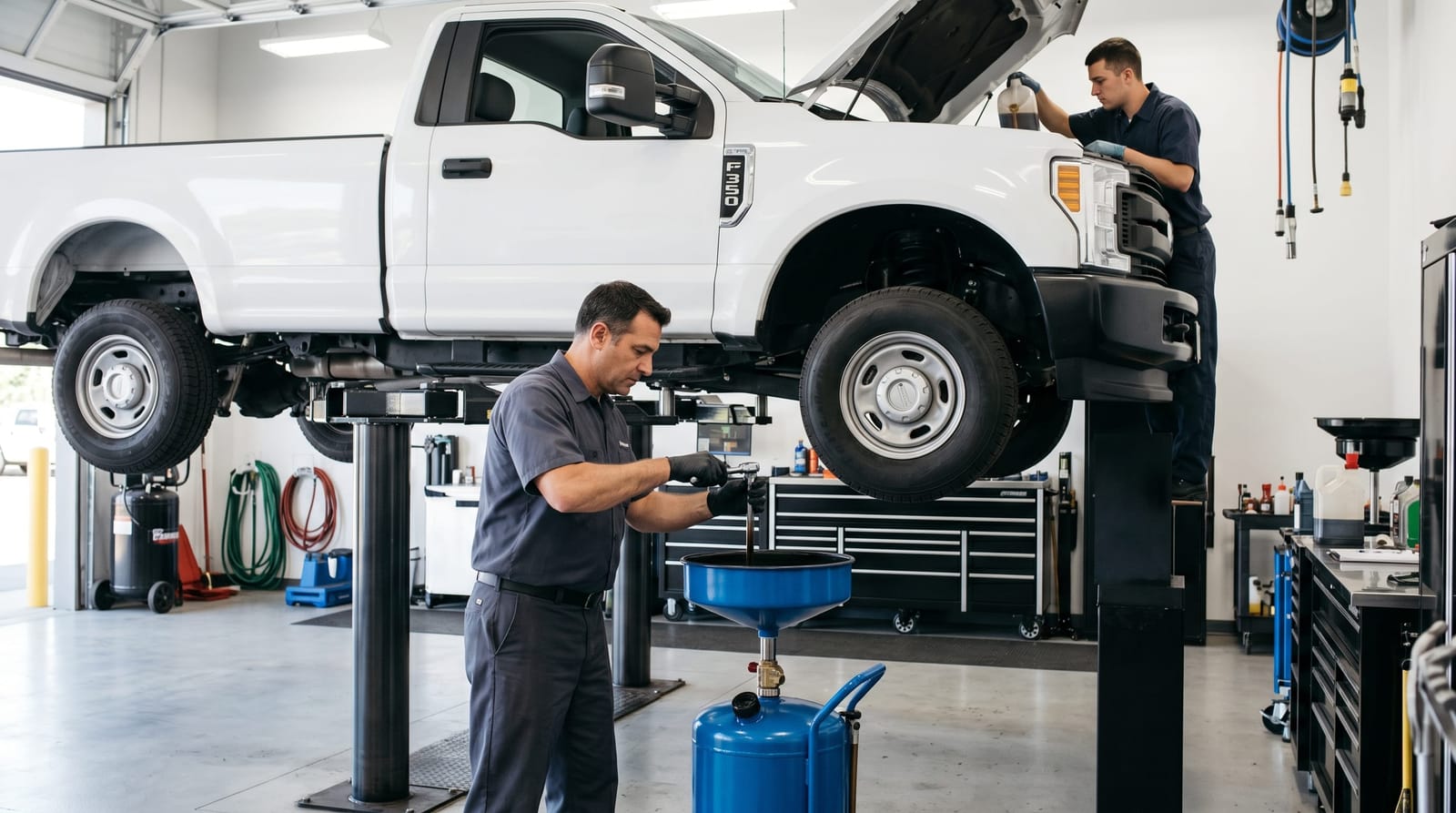
On a routine service visit: say, an oil change, tire rotation, and multi-point inspection: that difference might be $40 to $60 per vehicle. Across a fleet of five vehicles serviced four times a year, that's potentially $800 to $1,200 in savings annually just on routine maintenance. That number grows significantly when you factor in larger repairs.
Independent shops also have more flexibility with parts sourcing. They can use OEM-equivalent parts that meet manufacturer specifications without the dealership markup, which on parts like filters, belts, and brake components can run 20 to 40 percent higher at a dealership. Your vehicles get the same quality repair: you just don't pay for the brand name on the parts box.
Scheduling, Turnaround, and the Cost of Waiting
For a small business, a vehicle sitting in a service bay is a vehicle that isn't working. Understanding the vehicle breakdown cost small business owners actually absorb, lost billable hours, missed jobs, rescheduled clients, makes it clear that turnaround time isn't just a convenience issue. It's a financial one.
Dealership service departments are often booking 5 to 10 business days out for non-emergency repairs. If you have a fleet vehicle with a transmission issue or a check engine light that needs diagnosis before a long job, waiting nearly two weeks isn't a realistic option. Many independent shops can get a small fleet customer in within 1 to 3 business days, and if you have an established relationship with a local shop, same-day triage on a urgent issue is often possible.
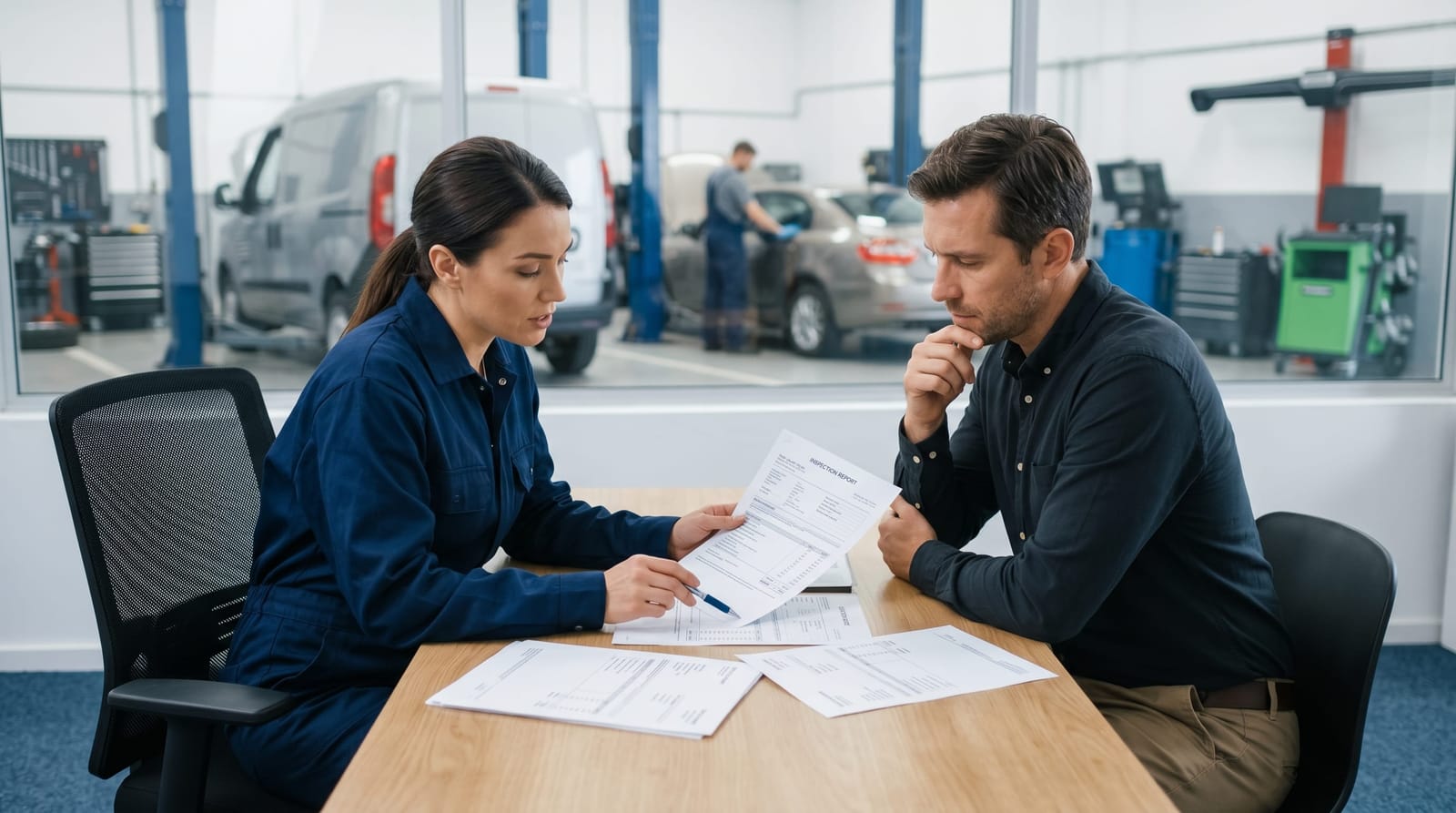
Beyond scheduling, independent shops tend to communicate more directly. Rather than working through a service advisor who relays messages from a technician you never speak to, you can often talk directly with the person diagnosing your vehicle. That kind of straightforward communication makes it easier to make informed decisions quickly, which matters when your business is waiting on that truck.
Warranty Work and Recalls: Where Dealerships Have the Edge
It's worth being honest here: dealerships do have a clear advantage in one specific area. If your fleet vehicles are newer and still under the manufacturer's factory warranty, some warranty-covered repairs must be performed at an authorized dealership. That's a practical reality, not a reason to use dealerships exclusively.
Recalls also fall into this category: manufacturer-issued recalls are handled at no charge through the dealership network, and that's where they need to be done. A good local shop will tell you the same thing rather than try to capture work that isn't theirs to do.
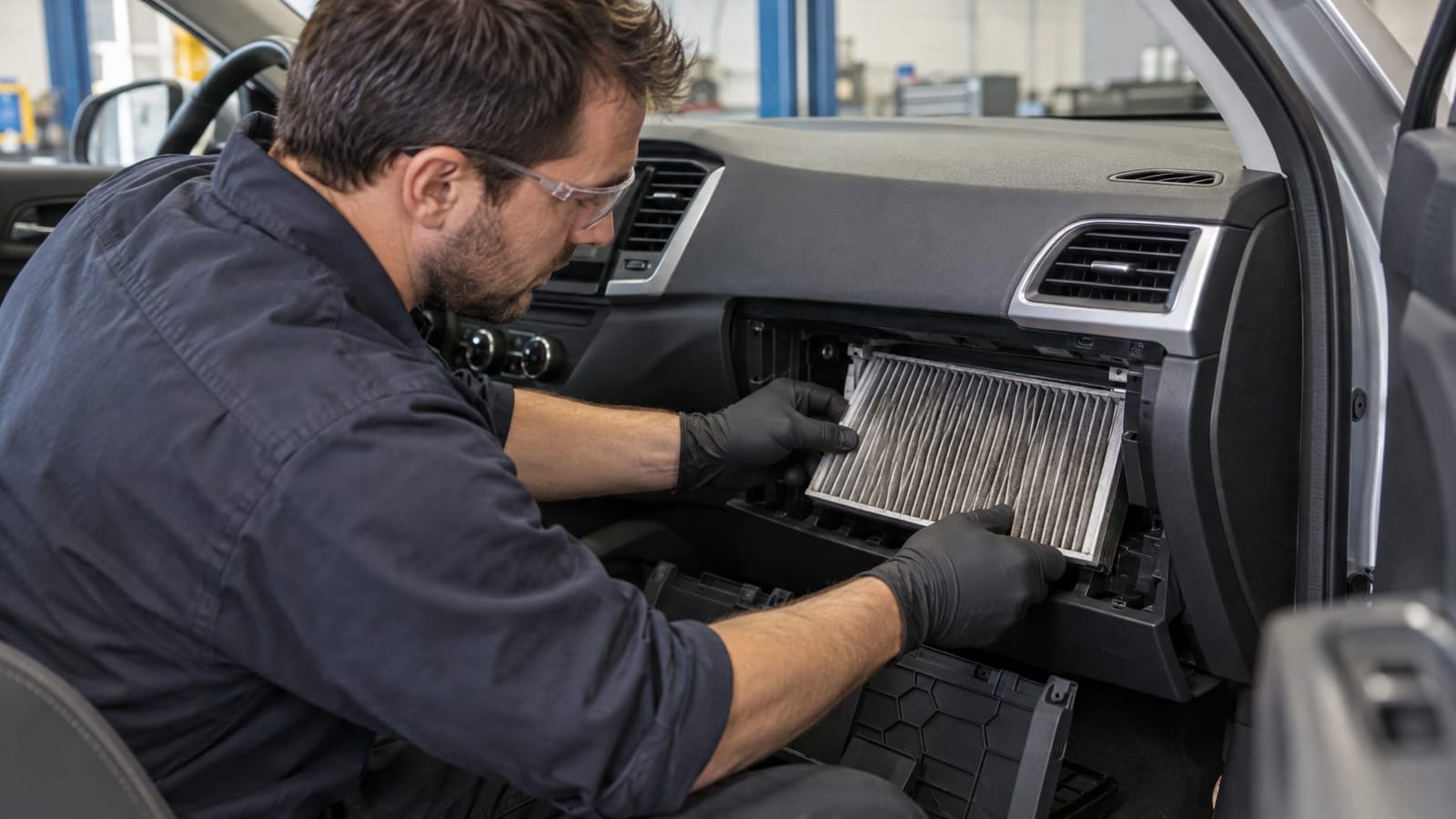
However, once your vehicles are out of the factory warranty window, which for many small business fleets happens quickly given annual mileage, there's very little reason to default back to the dealership for routine and preventive maintenance. An independent shop with experience servicing work trucks and commercial vehicles can handle everything from oil services and brake jobs to diagnostics and engine repairs, often faster and at a lower cost.
The Relationship Factor: Why It Matters More Than You Think
One of the least-talked-about advantages of working with a local independent shop is the relationship you build over time. When a shop knows your vehicles, their history, their quirks, the repair that was done six months ago, they can spot patterns and catch problems earlier. That institutional knowledge has real value.
At a dealership, you may work with a different service advisor on each visit. Your vehicle history is in their system, but the human context, the fact that this truck runs hard five days a week hauling equipment, isn't something that gets passed along in a work order note.
A local shop that handles your fleet regularly becomes a partner in keeping your business moving. They're invested in your success because your loyalty is what keeps their doors open. That's a different kind of relationship than what you get at a service counter with a service number and a waiting room TV.
Frequently Asked Questions
Can a local shop handle all the maintenance needs for a small fleet?
Yes, in most cases. A qualified independent shop can handle routine maintenance, diagnostics, brake and suspension work, electrical issues, engine repairs, and more for most makes and models of work trucks and vans. The exception is warranty-covered repairs and manufacturer recalls, which need to go through an authorized dealership.
Will using a local shop void my vehicle's warranty?
Generally speaking, having routine maintenance performed at an independent shop does not void a manufacturer's warranty, as long as the work meets the manufacturer's specifications and is documented properly. This is a common concern worth discussing directly with your shop and reviewing your vehicle documentation for specifics.
How do I find a local shop that has experience with commercial vehicles and fleets?
Ask directly. A shop that regularly services work trucks and fleet vehicles will be able to tell you about the types of vehicles they work on, their experience with commercial customers, and whether they can accommodate scheduling needs that match how your business operates. Looking at reviews from other business owners in your area is also a practical starting point.
Is it worth having one shop handle all my fleet vehicles, or should I spread the work around?
Consolidating your fleet service with one trusted shop almost always works in your favor. A single shop builds familiarity with all your vehicles, makes it easier to track service history, and gives you more leverage when it comes to scheduling priority and communication. Spreading work across multiple shops makes it harder to maintain consistent records and relationships.
The Bottom Line for Kaufman County Business Owners
For most small business and fleet operators in Kaufman County, a local independent shop offers a better day-to-day service experience than a dealership: better pricing, faster turnaround, more flexible scheduling, and the kind of relationship that keeps your vehicles running and your business moving. Dealerships still make sense for warranty work and recalls, and a good local shop will be upfront with you about that. If you're looking for a service partner who treats your fleet like it matters, because to your business, it does, a trusted local shop is the right place to start.