Why Do Cars Overheat More in Texas Summer? Common Causes Near Forney TX
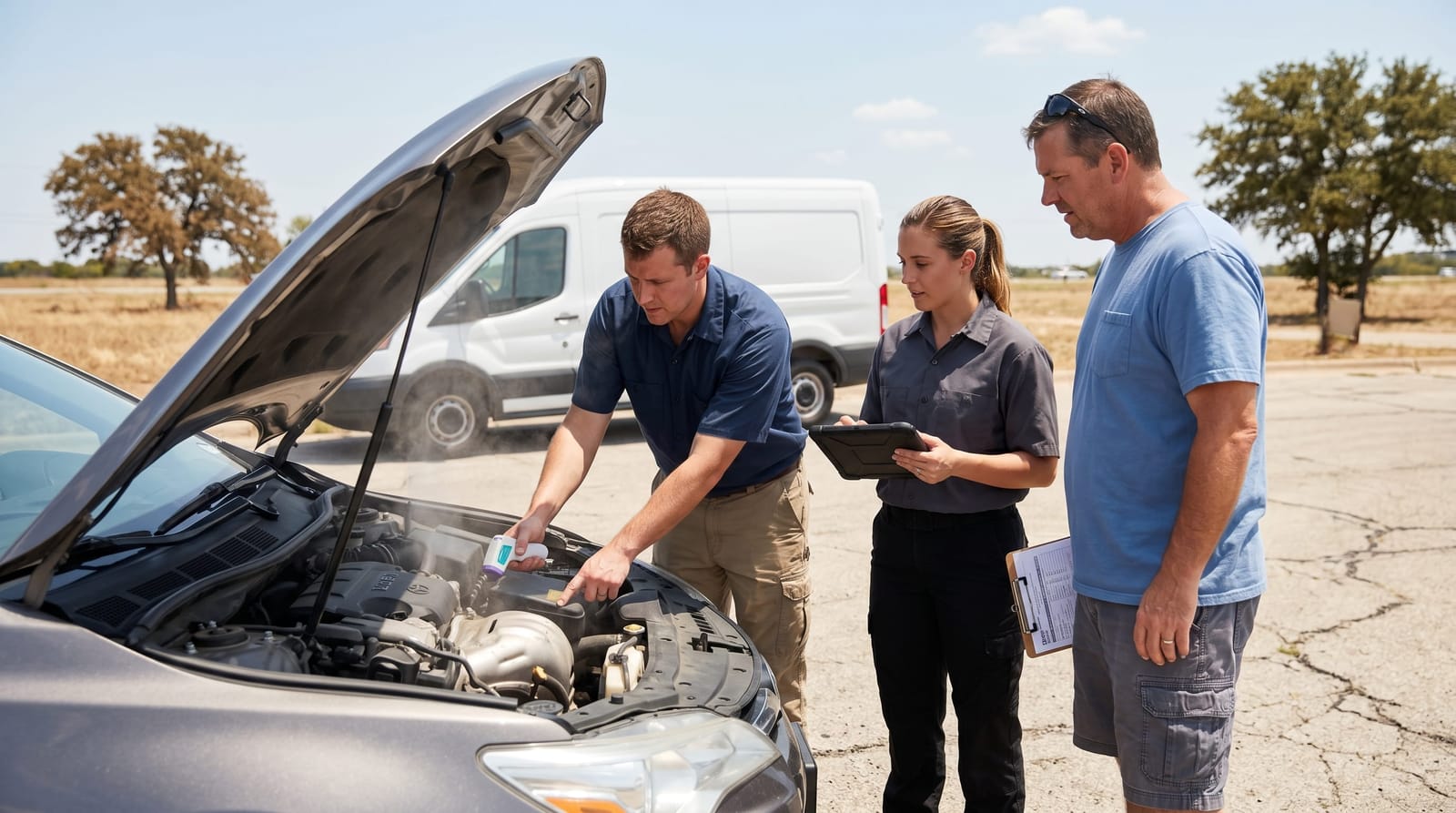
Texas summers are no joke, and your vehicle feels every degree of that heat. If you've ever watched your temperature gauge creep into the red while sitting in traffic on Highway 80 or making a run out toward Terrell, you know that sinking feeling. Car overheating causes in Texas summer near Forney TX are worth understanding before you find yourself pulled over on the shoulder with steam rising from the hood. This post breaks down the most common reasons vehicles overheat in extreme heat and exactly what you should do if it happens to you.
Why Texas Heat Hits Cooling Systems Especially Hard
Your vehicle's cooling system is designed to handle a specific operating temperature range: typically between 195°F and 220°F. When outside temperatures regularly climb above 100°F during a Forney summer, the cooling system has to work significantly harder just to maintain that range. There's simply less temperature difference between the outside air and the coolant running through your radiator, which means the system can't shed heat as efficiently.
According to AAA, cooling system failures are one of the leading causes of vehicle breakdowns during summer months across the country. In states like Texas where summer temperatures routinely exceed 100°F for weeks at a time, that risk climbs even higher. Add stop-and-go traffic, long stretches of highway with limited shade, and older vehicles that haven't had their cooling systems serviced recently, and you've got a recipe for overheating. Understanding the specific causes helps you catch a problem early, before it turns into a roadside emergency.
Low Coolant Levels: The Most Common Culprit
Low coolant is the single most frequent cause of engine overheating, and it's also one of the most preventable. Coolant, also called antifreeze, circulates through your engine and absorbs heat, then carries that heat to the radiator where it gets released into the air. When coolant levels drop, there's simply not enough fluid in the system to do that job effectively. Temperatures rise faster and the system can't keep up.
Coolant levels can drop for several reasons. A slow leak in a hose, a small crack in the radiator, or even a faulty radiator cap that isn't holding pressure properly can all cause gradual coolant loss. Some vehicles also burn off small amounts of coolant over time without an obvious external leak. The problem is that many drivers don't check under the hood until something goes wrong.
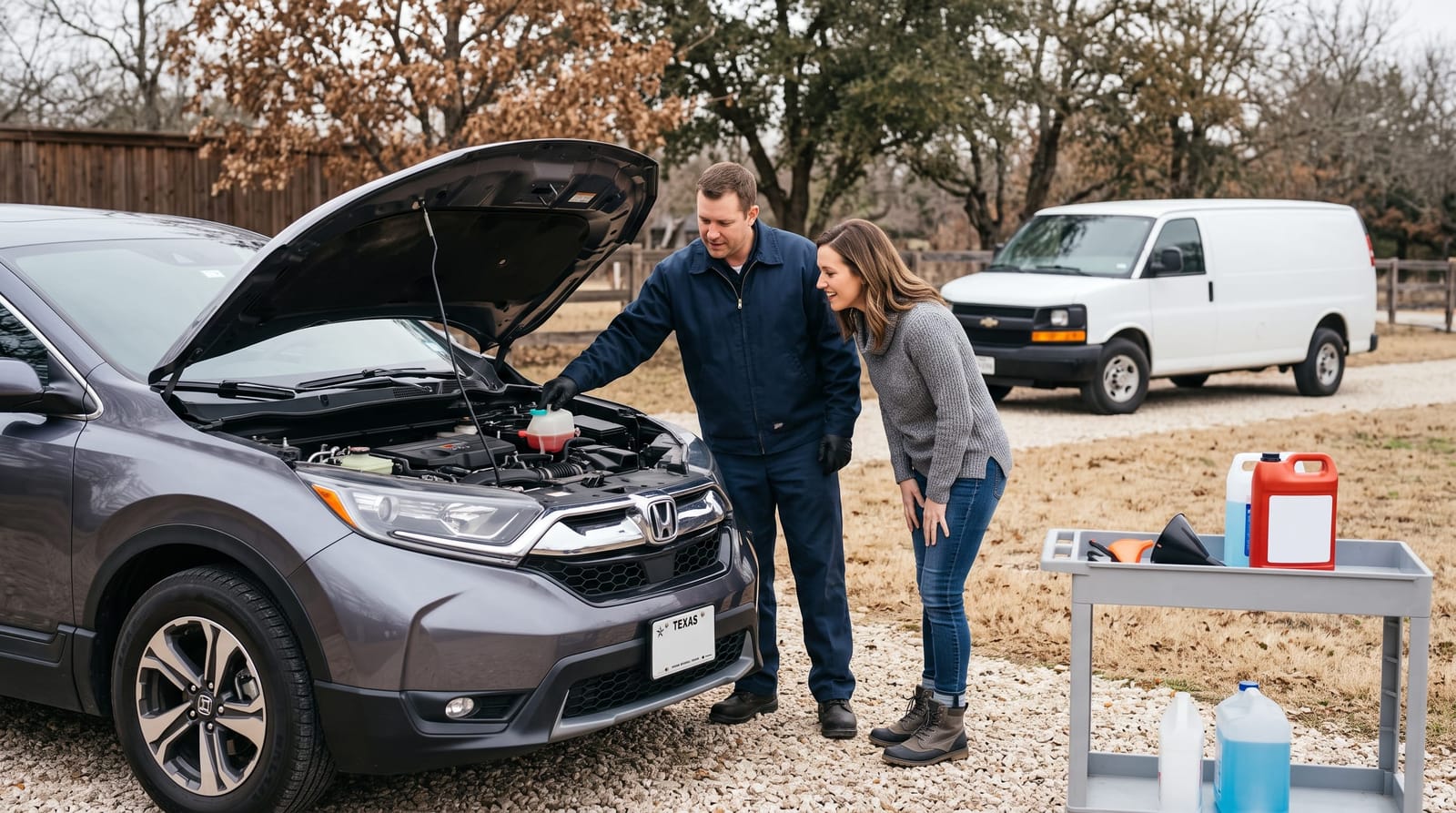
In extreme Texas summer heat, a coolant level that's only slightly low during spring can become a real problem by July. If you're unsure how often to check your coolant in Texas weather, making it a monthly habit during summer months is a reasonable starting point, especially for vehicles with higher mileage. Checking the coolant reservoir (the small plastic tank near the radiator) only takes about 30 seconds and could save you from a very stressful afternoon on the side of FM 548.
A Failing Thermostat: Small Part, Big Impact
The thermostat is a small valve, typically about the size of a half-dollar coin, that controls when coolant flows from the engine to the radiator. When your engine is cold, the thermostat stays closed to help it warm up faster. Once it reaches operating temperature, the thermostat opens and lets coolant circulate through the system.
When a thermostat fails, it often gets stuck in the closed position. That means coolant can't flow to the radiator, heat builds up rapidly, and your temperature gauge climbs. A stuck thermostat is especially dangerous in summer because the engine is already fighting against high ambient temperatures. What might be a manageable issue in mild weather becomes a serious overheating problem when it's 103°F outside.
Thermostats are inexpensive parts, but the consequences of ignoring a failing one can be significant. If your temperature gauge is running higher than usual, even if it hasn't reached the red zone yet, a thermostat issue is worth having checked. Driving with a bad thermostat in summer in Kaufman County is one of those situations where a small, low-cost fix prevents a much larger repair bill down the road.
Radiator Problems: Clogging, Leaks, and Airflow Issues
The radiator is the heart of your cooling system. It's a network of small tubes and fins that transfer heat from your coolant into the outside air as you drive. Over time, radiators can develop several problems that reduce their ability to cool efficiently:
- Internal clogging: Mineral deposits and old coolant can build up inside the radiator's tubes over time, restricting flow. Coolant that hasn't been flushed and replaced on schedule is a common cause of this.
- External debris buildup: Bugs, road grime, and cottonwood seeds (a real issue in East Texas spring and summer) can clog the fins on the outside of the radiator, blocking airflow. A clogged radiator exterior can reduce cooling efficiency by 20% or more.
- Leaks: Small pinhole leaks or damaged seams in the radiator can cause coolant loss without an obvious puddle under the car, especially if the leak evaporates quickly in summer heat.
A radiator that's more than 8 to 10 years old on a high-mileage vehicle is worth having inspected, particularly before Texas summer kicks into full gear. Routine coolant flushes every 30,000 miles or so, check your owner's manual for your vehicle's specific interval, help keep the inside of the radiator clean and flowing properly.
Water Pump Failure: When Circulation Stops
Your water pump is what keeps coolant moving through the entire cooling system. It's driven by your engine, usually by the same belt that drives other components, and it circulates coolant continuously while the engine is running. A water pump that's failing or has already failed means coolant stops circulating, and heat builds up very quickly.
Signs of a struggling water pump include a coolant leak near the front of the engine, a whining or grinding noise from the front of the engine bay, or a temperature gauge that climbs even after the thermostat has been replaced and coolant levels are correct. Water pumps on most vehicles are designed to last 60,000 to 100,000 miles, but heat cycling and age can shorten that lifespan, especially on vehicles that spend their lives in Texas summers.
Because the water pump is often located in a time-consuming area to access, many shops will recommend replacing it at the same time as the timing belt (if your vehicle has one) since both require similar disassembly. It's a practical way to avoid doing the same labor twice.
What to Do Right Now If Your Temperature Gauge Climbs
If you're driving near Forney and notice your temperature gauge moving toward the red, here's what to do: calmly and safely:
- Turn off the air conditioning immediately. The A/C puts additional load on the engine, which generates more heat. Turning it off reduces strain on the cooling system right away.
- Turn the heater on full blast. This sounds counterintuitive, but your cabin heater is actually a small heat exchanger that draws heat away from the engine. With the windows down, this can help bring temperatures down slightly while you find a safe place to pull over.
- Pull over as soon as it's safe to do so. Don't push through it hoping the temperature will come back down on its own. Find a parking lot, a gas station, or a safe shoulder and stop the vehicle.
- Turn the engine off and wait at least 30 minutes before opening the hood. Coolant under pressure is extremely hot. Never open the radiator cap on a hot engine: this is a genuine safety hazard, not just a caution.
- Call for help. Once the engine has cooled, check the coolant reservoir. If it's empty, you can add water as a temporary measure to get you to a shop, but have the system properly inspected before driving further.
Frequently Asked Questions
How do I know if my car is about to overheat before it reaches the red zone?
Watch for subtle signs like the temperature gauge running slightly higher than usual, a faint sweet smell coming from the engine area (which can indicate coolant), or steam rising from under the hood. Catching these early warning signs typically means a simpler, less expensive repair than waiting until the gauge is fully in the red.
How often should I have my cooling system serviced in Texas?
Most manufacturers recommend a coolant flush every 30,000 miles or every 2 to 3 years, but driving in extreme heat like Texas summers can stress the system more than average. Having the cooling system inspected annually, ideally before summer starts, is a practical approach for drivers in the Forney area.
Can I drive a short distance if my car is overheating?
It's strongly advisable not to. Even a short drive on an overheated engine can cause serious internal damage. The safest choice is to pull over, let the engine cool completely, and have the vehicle towed or inspected before driving again.
Is overheating more likely in older cars or any vehicle can be affected?
While older vehicles with aging cooling system components are statistically more likely to overheat, any vehicle can overheat if cooling system maintenance has been neglected: regardless of age. A newer car with low coolant or a failing thermostat will overheat just as quickly in 100°F heat as an older one.
Keeping Cool All Summer Long
Car overheating causes in Texas summer near Forney TX almost always come back to one thing: a cooling system that wasn't quite ready for what East Texas summer demands. Low coolant, a sticking thermostat, a clogged radiator, or a worn water pump are all preventable problems with routine maintenance. Catching them before June is a lot easier, and less expensive, than dealing with them on a 103°F afternoon. If it's been a while since your cooling system was looked at, bringing your vehicle in for an inspection before peak summer heat arrives is some of the most practical car care you can do. At Gregg Automotive, we're familiar with what Kaufman County summers do to vehicles, and we're here to help you stay ahead of it.