Auto Repair Pricing Guide: What Fair Labor and Parts Costs Look Like in Forney TX
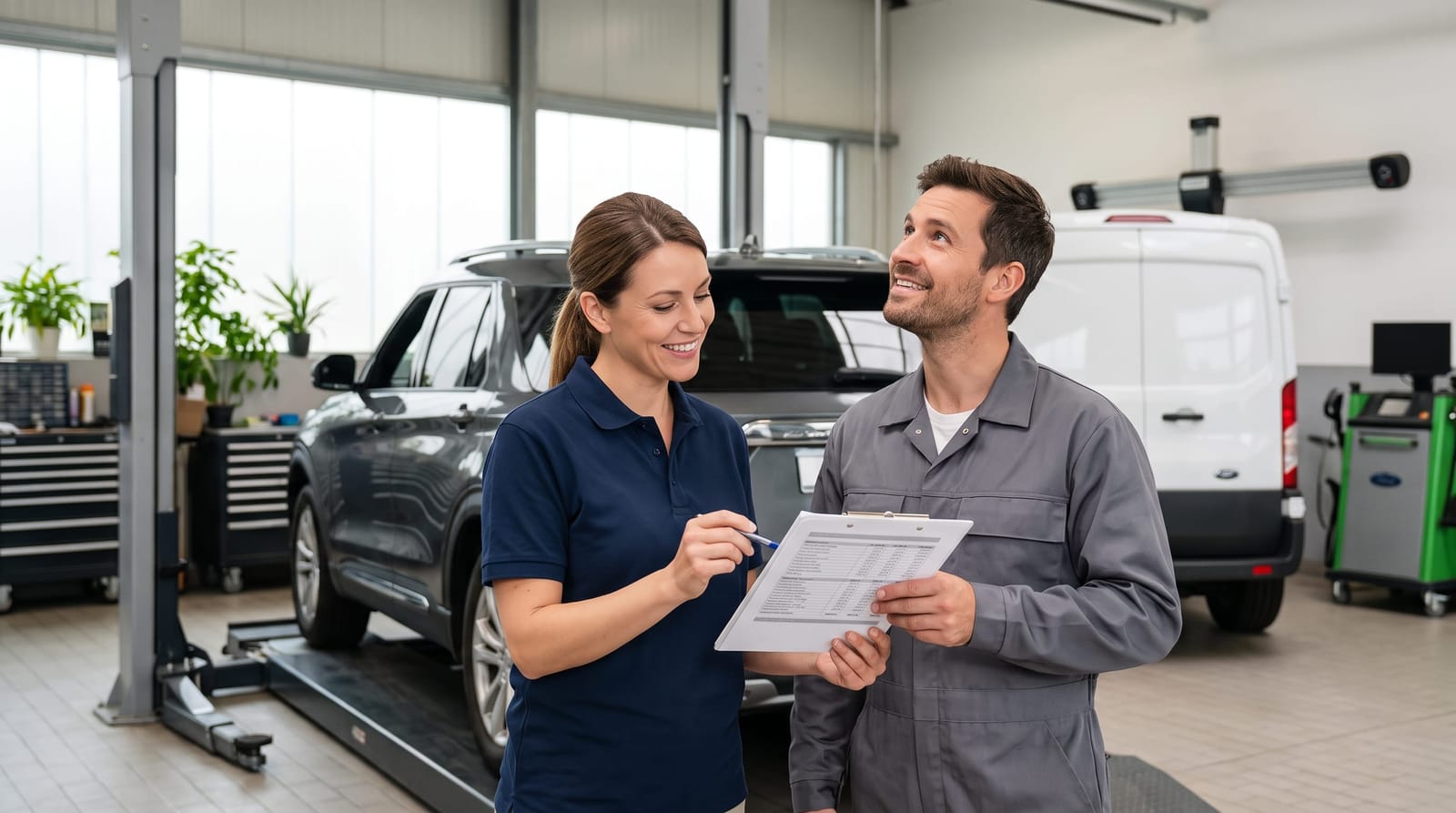
When you take your vehicle to a shop and get a repair estimate, do you actually know what you're looking at? Most people don't, and that's not a character flaw. Auto repair pricing isn't exactly taught in school. Understanding how shops price their work is one piece of a larger picture we cover in our guide to dealership vs independent shop repair cost Kaufman County drivers face every day. In this post, we're going to break down exactly how repair shops calculate what you pay, from labor rates and parts markups to diagnostic fees, so you can walk into any shop with confidence. Whether you're comparing quotes or just want to understand your invoice, this guide gives you the foundation to recognize fair pricing when you see it.
How Auto Repair Shops Calculate Labor Costs
Labor is almost always the largest line item on any repair invoice, and it's also the part that confuses people the most. Here's how it actually works.
The Hourly Labor Rate
Every shop sets an hourly labor rate: a dollar figure charged per hour of work performed. In the Forney, TX area, labor rates at independent shops typically range from around $95 to $130 per hour, while dealership service departments often charge between $130 and $175 or more per hour for the same categories of work. The rate reflects the shop's overhead costs (rent, equipment, insurance, utilities), the skill level of their technicians, and local market conditions.
A higher labor rate doesn't automatically mean better work, and a lower one doesn't mean cut corners. What matters is what you get for the rate: experienced technicians, quality tools, and a shop that stands behind its work.
Flat-Rate vs. Actual Time
Most shops, including dealerships, use what's called a "flat-rate" pricing system. This means the industry has published standard time estimates for nearly every repair job, for example, replacing front brake pads on a common sedan might be listed at 1.2 hours. The shop charges you for 1.2 hours regardless of whether their experienced technician finished the job in 55 minutes or it took a bit longer.
This system benefits customers when a technician's efficiency speeds up a job, and it protects shops from eating labor time on unusually difficult repairs. Understanding this helps explain why two shops can charge different amounts for the "same" job: they may be using slightly different labor guides or have different hourly rates applied to the same time estimate.
Parts Pricing: What Markup Actually Means
The second major component of any repair bill is parts. Shops don't sell parts at their own cost: they mark them up, and this is completely standard practice. What matters is whether that markup is reasonable and transparent.
Where Parts Come From
Shops typically source parts from a few different places: wholesale automotive distributors, direct manufacturer suppliers, or dealership parts departments. The price the shop pays is called the "cost" or "dealer cost," and the price they charge you is the retail price. A typical markup ranges from 20% to 50% depending on the part, the shop, and where it was sourced.
This markup covers more than just profit: it accounts for the shop's time ordering, receiving, and managing parts inventory, as well as their warranty on the repair. If a part fails within the warranty period, a reputable shop replaces it at no additional parts cost to you.
OEM vs. Aftermarket Parts and What It Means for Your Bill
One of the biggest factors affecting parts cost is whether a shop uses OEM (Original Equipment Manufacturer) parts or aftermarket alternatives. OEM parts are made by or for your vehicle's manufacturer and tend to cost more. Aftermarket parts are made by third-party suppliers and can range from budget-grade to premium quality. For a deeper look at this specific decision, our guide on OEM vs aftermarket auto parts Forney TX drivers should consider walks through exactly when each option makes sense.
For most everyday repairs, brake pads, filters, belts, sensors, quality aftermarket parts perform just as well as OEM and cost less. For certain components on newer vehicles still under warranty, or complex electronics, OEM may be the better call. A trustworthy shop explains the difference and gives you the option to choose.
Diagnostic Fees: What You're Really Paying For
Diagnostic fees are one of the most misunderstood charges in auto repair. Many customers wonder why they're being charged just to find out what's wrong, especially before any work has been approved. Here's the honest explanation.
Why Diagnostic Time Has Real Value
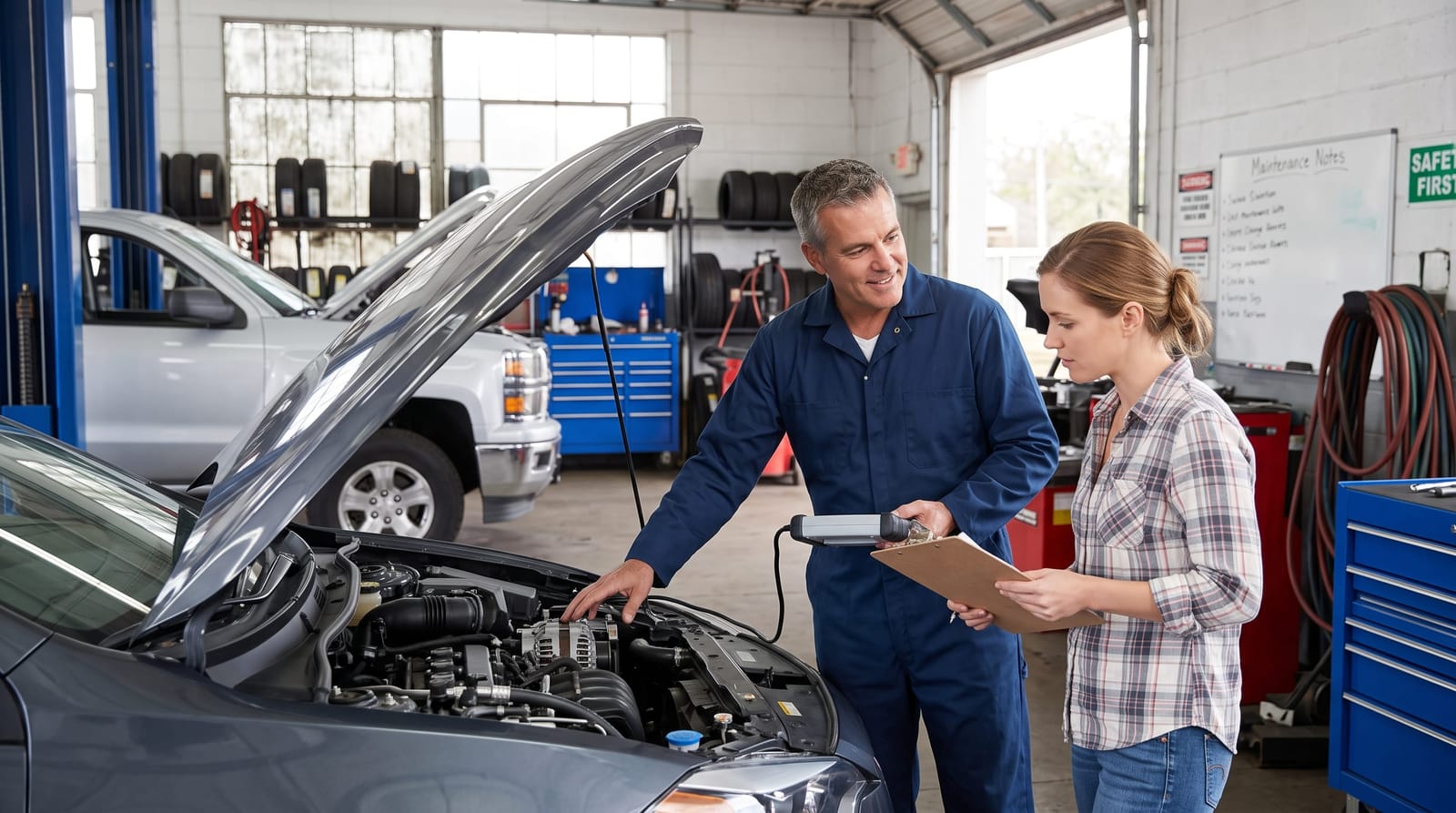
Modern vehicles are remarkably complex. A check engine light alone can be triggered by dozens of different issues. Diagnosing the root cause requires a trained technician, specialized scan tools that cost thousands of dollars, and time spent interpreting data, testing components, and ruling out possibilities. That process is skilled labor, and skilled labor costs money.
A standard diagnostic fee in the Forney area typically runs between $75 and $150 depending on the complexity. Some shops will apply the diagnostic fee toward the cost of the repair if you approve the work: it's worth asking upfront whether that policy applies.
What a Diagnostic Fee Doesn't Cover
It's important to understand that a diagnostic fee covers the process of identifying the problem, not the repair itself. Some customers feel frustrated when they pay a diagnostic fee and then receive a repair estimate on top of it. But think of it this way: a doctor charges for a consultation and a diagnosis before recommending a treatment. The diagnostic fee pays for expertise and time, not just the answer.
If a shop quotes you a repair and you decide not to move forward, you typically still owe the diagnostic fee. That's fair and standard: the work was done. What's not fair is a shop that charges a diagnostic fee, gives you a vague non-answer, and can't explain what they found.
Reading a Repair Estimate the Right Way
Once you understand the three main components, labor, parts, and diagnostic, you're equipped to read an estimate clearly. A well-written estimate should itemize each of these separately so you can see exactly what you're paying for.
What to Look for on an Estimate
- Labor hours and rate: The estimate should show how many hours are being charged and at what rate. If it just says "labor: $180" with no breakdown, it's reasonable to ask for clarification.
- Parts listed by name and quantity: You should be able to see the specific part being installed, not just "misc. parts." This lets you look up the part if you want to do your own research.
- Diagnostic fees listed separately: If a diagnostic was performed, it should appear as its own line item.
- Warranty information: Reputable shops note the warranty on parts and labor. Standard warranties at quality independent shops often range from 12 months/12,000 miles to 24 months/24,000 miles on most repairs.
For a more detailed walkthrough of what every line on an estimate means, our post on how to read auto repair estimate Crandall TX vehicle owners use covers this step by step.
What Fair Pricing Looks Like in Forney TX
Let's ground this in something practical. Here are a few common repair scenarios and what reasonable pricing looks like in the Forney and Kaufman County area. These figures are general educational references: your actual quote will vary based on your vehicle's make, model, year, and specific conditions.
Common Repair Benchmarks
- Oil change (synthetic): Most quality shops in the area charge between $65 and $90 for a full synthetic oil change, including filter. Shops like Christian Brothers Automotive have advertised $89.99 synthetic oil change specials, which is consistent with this range for a full-service experience.
- Front brake pad replacement: Expect a range of $150 to $280 per axle depending on the vehicle and parts used. Brake service specials, like those occasionally offered at Mavis Tires and Brakes, can reduce this cost.
- Wheel alignment: A standard two-wheel alignment typically runs $75 to $100; a four-wheel alignment is usually $100 to $150. Many shops offer alignment checks free of charge.
- A/C inspection: Basic A/C performance checks at area shops have been advertised around $89 to $100, though actual refrigerant recharge or leak diagnosis adds to this cost.
When a quote falls significantly above these ranges without a clear explanation, it's worth asking questions. When it falls significantly below, it's worth asking what's being left out. Fair pricing sits in the middle: transparent, explainable, and consistent with market rates.
The Independent Shop Advantage on Pricing
One reason many Forney area drivers choose independent shops over dealerships is the difference in overhead. Dealership service departments operate under significant corporate cost structures that typically push their labor rates higher than independent shops: sometimes by $40 to $60 per hour or more. For a two-hour job, that's a $80 to $120 difference on labor alone, before parts.
We explore this in more detail in our overview of are dealership repairs worth it Forney TX customers should consider, including the situations where a dealership might genuinely be the right call.
How to Know If a Shop Is Being Straight With You
Price transparency isn't just about the numbers: it's about how a shop communicates with you throughout the process. Here are practical signals that a shop is operating with integrity.
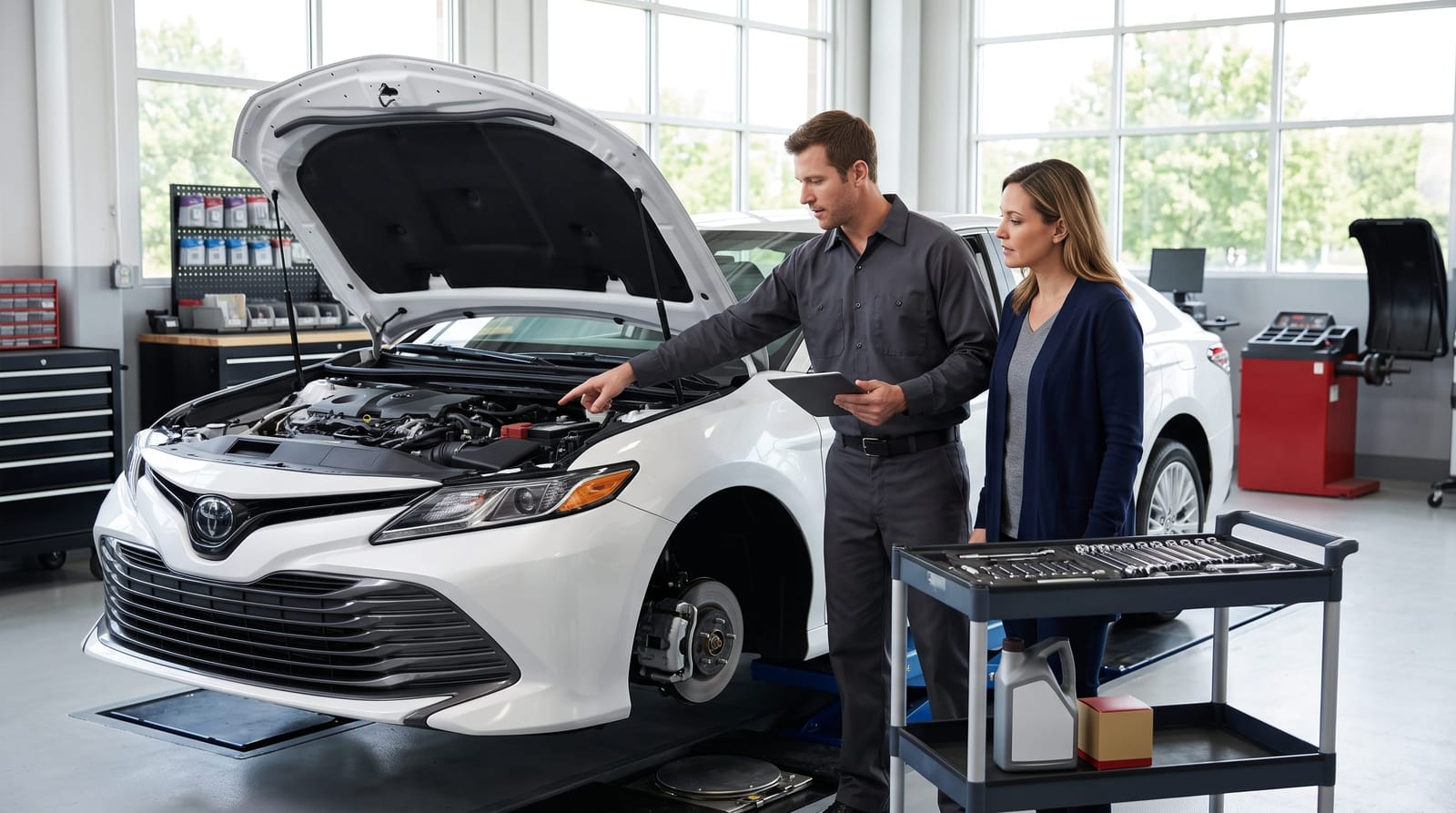
- They explain what they found before asking for approval to repair it.
- They provide a written estimate, not just a verbal quote, before any work begins.
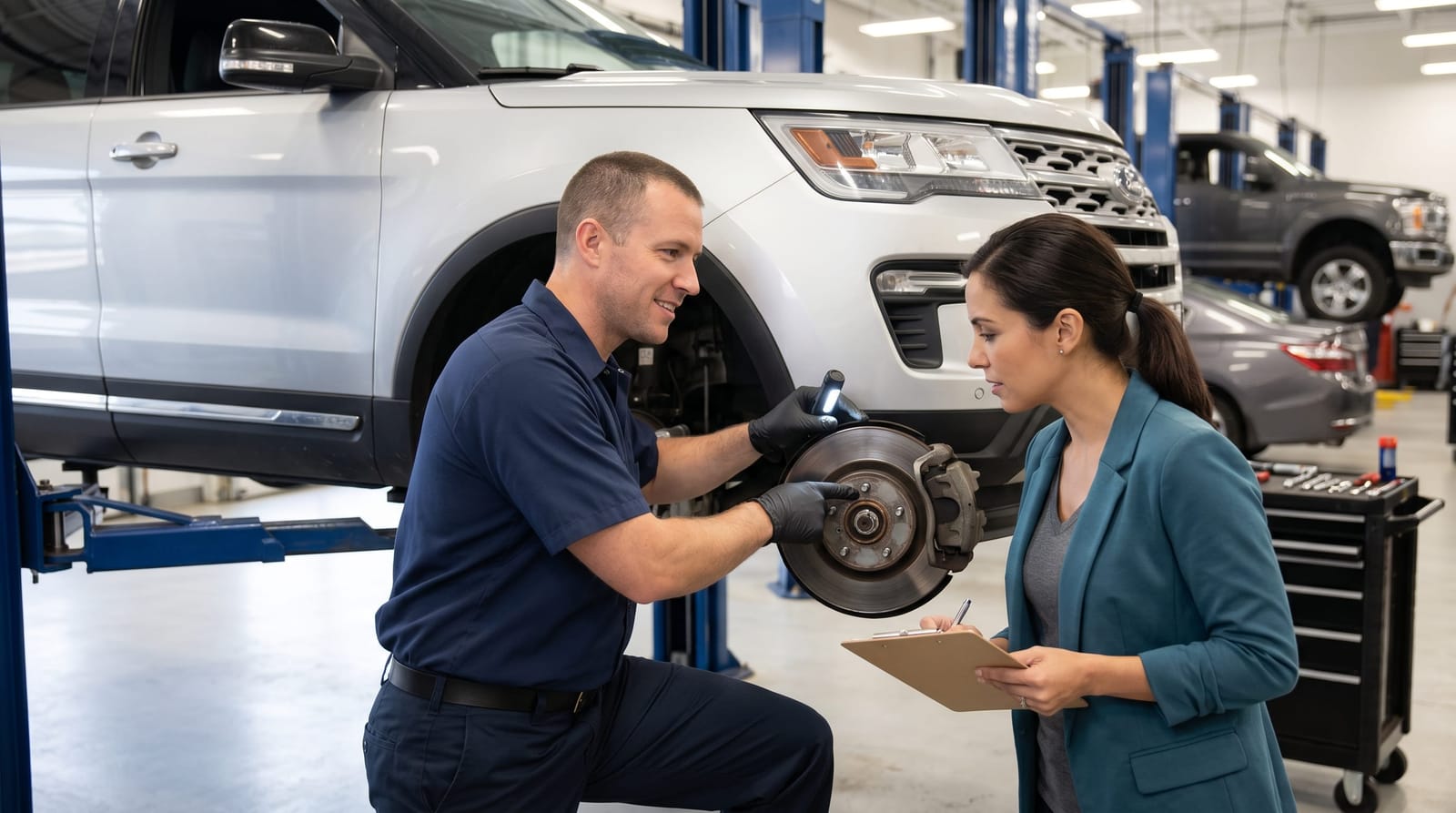
- They're willing to show you the worn or failed part that's being replaced.
- They answer pricing questions without defensiveness or pressure.
- They don't recommend unrelated repairs mid-job without showing you why.
If you're still in the process of finding a shop you can trust, our guide on trustworthy auto repair shop Forney TX residents can rely on walks through exactly what to look for.
Related Topics Worth Exploring
This guide covers the foundations of repair pricing, but there's more depth available on specific aspects of the topic. If you want to go further, here are two areas we cover in detail:
- Understanding every line on a written repair estimate, including what "shop supplies" and "environmental fees" actually mean, in our how to read auto repair estimate Crandall TX guide.
- Deciding between OEM and aftermarket parts for your specific repair in our OEM vs aftermarket auto parts Forney TX breakdown.
Understanding Pricing Puts You in Control
Knowing how labor rates work, why parts carry a markup, and what a diagnostic fee actually covers changes your entire experience at a repair shop. You stop feeling like a passenger in the process and start feeling like an informed customer who can ask the right questions and recognize a fair deal.
At Gregg Automotive, we price our work transparently because we believe customers who understand what they're paying for are customers who come back. If you have questions about a repair quote, want to understand an estimate before approving work, or just want a shop that explains things plainly: give us a call or stop by. We're here to help you make a confident, informed decision about your vehicle.