Can I Feel Brake Fade Before It Becomes Dangerous Near Canton TX?
If you've ever driven a long downhill stretch near Canton TX or made several quick stops in a row, you may have noticed your brakes feeling just a little different than usual. Maybe the pedal felt softer, or the car took slightly longer to slow down. Those subtle changes are your brake system's way of signaling that something is off, and recognizing them early can make a real difference for your safety. This post walks you through the specific warning signs of brake fade, what's happening when you feel them, and exactly what to do in the moment.
What Is Brake Fade and Why Does It Happen?
Brake fade is what happens when your brakes temporarily lose effectiveness due to heat buildup. Every time you press the brake pedal, your brake pads clamp against the rotors to slow the vehicle using friction. That friction generates heat, and under normal driving conditions, your brakes are well-equipped to handle it. But when brakes are used repeatedly in a short window of time, or held for a sustained period on a downhill grade, the heat builds up faster than it can dissipate.
There are two main types of brake fade. The first is pad fade, which occurs when the brake pad material gets so hot that it can no longer grip the rotor effectively. The second is fluid fade (sometimes called vapor lock), which happens when brake fluid reaches its boiling point and air bubbles form in the hydraulic lines: air that can't be compressed the same way fluid can, causing that spongy pedal feel.
Studies have shown that brake fluid can begin to boil at temperatures as low as 284°F if it has absorbed moisture over time, compared to around 446°F for fresh, dry fluid. This is one reason routine brake fluid checks matter: degraded fluid lowers the threshold at which fade can occur. For drivers navigating the rolling terrain east of Dallas or hauling loads through Kaufman County, understanding this process is especially useful.
The Early Warning Signs of Brake Fade You Can Actually Feel
The good news is that brake fade rarely happens without warning. Your vehicle gives you noticeable signals before things become genuinely dangerous: you just need to know what to look for. Here are the most common warning signs, roughly in the order you might experience them:
- Longer stopping distances: This is often the first sign. You press the pedal at your usual point and the car takes more distance to stop than expected. Research on brake efficiency shows stopping distances can increase by 20% or more as brake temperatures climb significantly above normal operating range.
- A softer or lower brake pedal: If your pedal feels mushier than usual, or travels closer to the floor before the brakes engage, that's a meaningful change. This can indicate fluid fade is developing in the hydraulic system.
- Reduced pedal resistance: Normal brakes have a firm, responsive feel. Fading brakes feel less "solid" underfoot: almost like pressing against a sponge rather than a firm surface.
- A burning smell: A sharp, acrid smell, sometimes described as burning rubber or hot chemicals, coming from your wheels after a downhill run or repeated stops is a strong signal that your brakes are overheating.
- Slight vibration or pulsing through the pedal: In some cases, uneven heat distribution across rotors can cause a pulsing sensation as you brake, which may indicate warping is beginning.
Any one of these signs on its own warrants attention. Experiencing two or more at the same time means you should take action immediately.
What to Do In the Moment When You Suspect Brake Fade Near Canton TX
If you're on a long downhill stretch, like the grades you might encounter on rural roads in eastern Kaufman County, and you notice your brakes responding differently, here's a practical step-by-step approach:
- Don't panic-brake. Slamming the brakes when they're already hot makes the situation worse by adding more heat rapidly. Use steady, moderate pressure instead.
- Downshift if you drive a manual or use engine braking. Many automatic transmissions allow you to select a lower gear manually. Using engine braking reduces how hard your brakes have to work and helps control your speed without adding heat to the pads and rotors.
- Pull over safely and let the brakes cool. If you smell burning or notice a significant change in pedal feel, find a safe place to pull off the road. Allow at least 10 to 15 minutes for the brakes to cool before continuing. Do not apply the parking brake during this cooldown period: it can cause uneven heat distribution and rotor damage.
- Do not drive aggressively until the brakes are inspected. If you made it home safely but noticed any of these signs, schedule a brake inspection before your next extended drive.
One important note: brake fade is temporary by nature, but it signals that your brake system may have underlying issues, worn pads, degraded fluid, or components not suited to your vehicle's use, that deserve a professional look.
When Brake Fade Is a Sign of a Bigger Problem
Occasional mild brake fade during an unusually long downhill run can happen even to well-maintained vehicles. But if you're experiencing brake fade warning signs Canton TX drivers describe, soft pedal, longer stops, or burning smells, during normal everyday driving, that's a red flag worth taking seriously.
Brake pads typically need replacement somewhere between 25,000 and 70,000 miles depending on driving habits, vehicle weight, and pad material. When pads wear thin, there's less friction material to absorb and transfer heat, which means the brakes reach dangerous temperatures more quickly. Similarly, brake fluid should generally be evaluated every 2 years or 30,000 miles, since it absorbs moisture from the air over time and loses its ability to withstand heat.
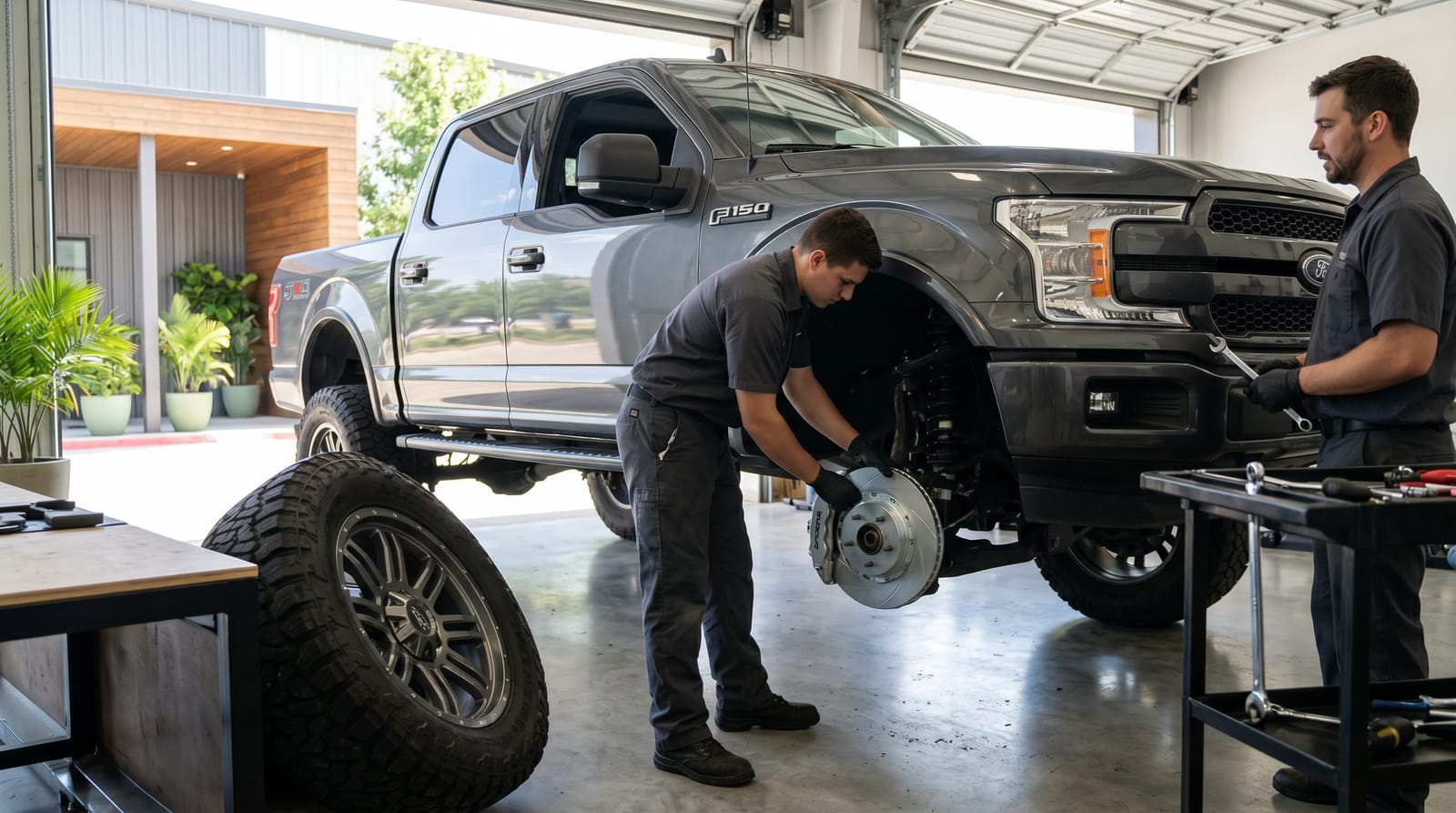
Drivers with lifted trucks, heavier SUVs, or vehicles used for towing in the Canton TX and Kaufman County area are at higher risk for fade-related issues because these vehicles generate significantly more heat during braking. If this describes your vehicle, it's worth discussing whether your current brake setup is properly matched to the demands you're placing on it. Our broader guide on brake system upgrades for Kaufman County TX drivers covers how upgraded pads, rotors, and fluid can help address this.
Frequently Asked Questions About Brake Fade Warning Signs
Is it safe to keep driving after I notice brake fade?
If you experience mild fade during a long downhill run, pulling over to let the brakes cool for 10 to 15 minutes is the right move before continuing. If fade symptoms appear during normal driving, not a prolonged descent, that's a sign the brakes need inspection before additional highway or load-bearing driving.
Can new brake pads still experience fade?
Yes. Brand-new brake pads actually go through a brief break-in process called "bedding," during which they can produce some fade-like symptoms initially. However, this should resolve quickly. If a soft pedal or burning smell persists after the first few hundred miles on new pads, that's worth having a technician look at.
Does towing a trailer increase my risk of brake fade?
Significantly, yes. Towing adds weight that the brakes must work harder to slow down. The additional load can raise brake temperatures 30 to 50 percent faster under repeated stopping conditions. If you regularly tow in Kaufman County, making sure your brake pads and fluid are rated for that kind of use is an important part of vehicle maintenance.
How is brake fade different from a brake failure?
Brake fade is a temporary reduction in braking performance caused by heat: the brakes still work, just less effectively. Brake failure means the system has stopped working reliably. Fade is a warning that something needs attention; ignoring it repeatedly can eventually contribute to more serious brake problems, which is why catching it early matters.
Pay Attention to What Your Brakes Are Telling You
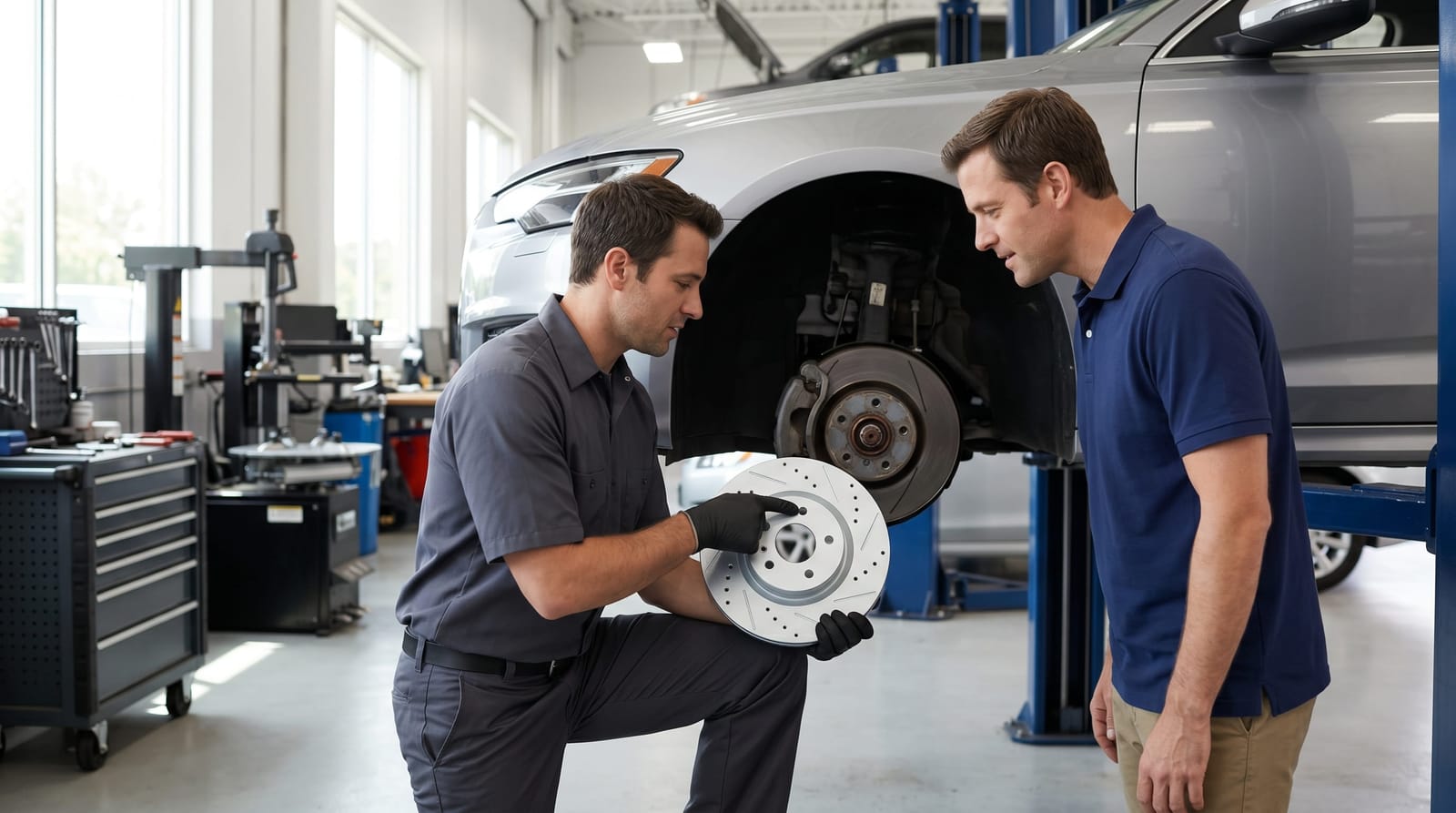
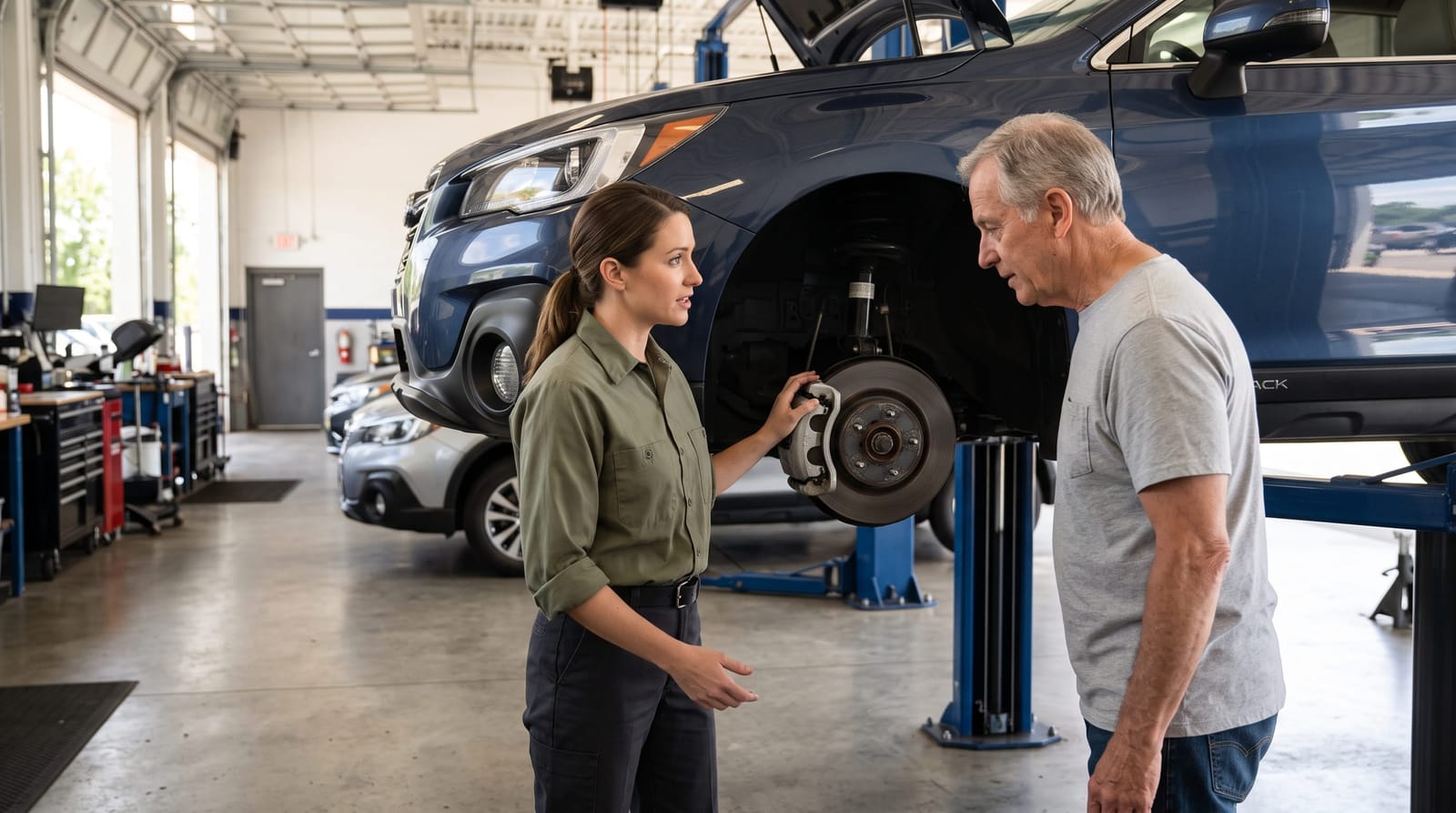
Your brakes give you clear, physical signals before fade becomes a serious safety concern: a softer pedal, longer stops, a burning smell, or reduced pedal resistance. Knowing what those signs mean, and responding to them calmly and correctly, can keep you and others on the road safe. If you've felt any of these brake fade warning signs Canton TX roads can trigger, especially during long downhills or after repeated stops, don't brush it off. A simple brake inspection at Gregg Automotive can tell you exactly what's going on and whether your current setup is right for how you drive.