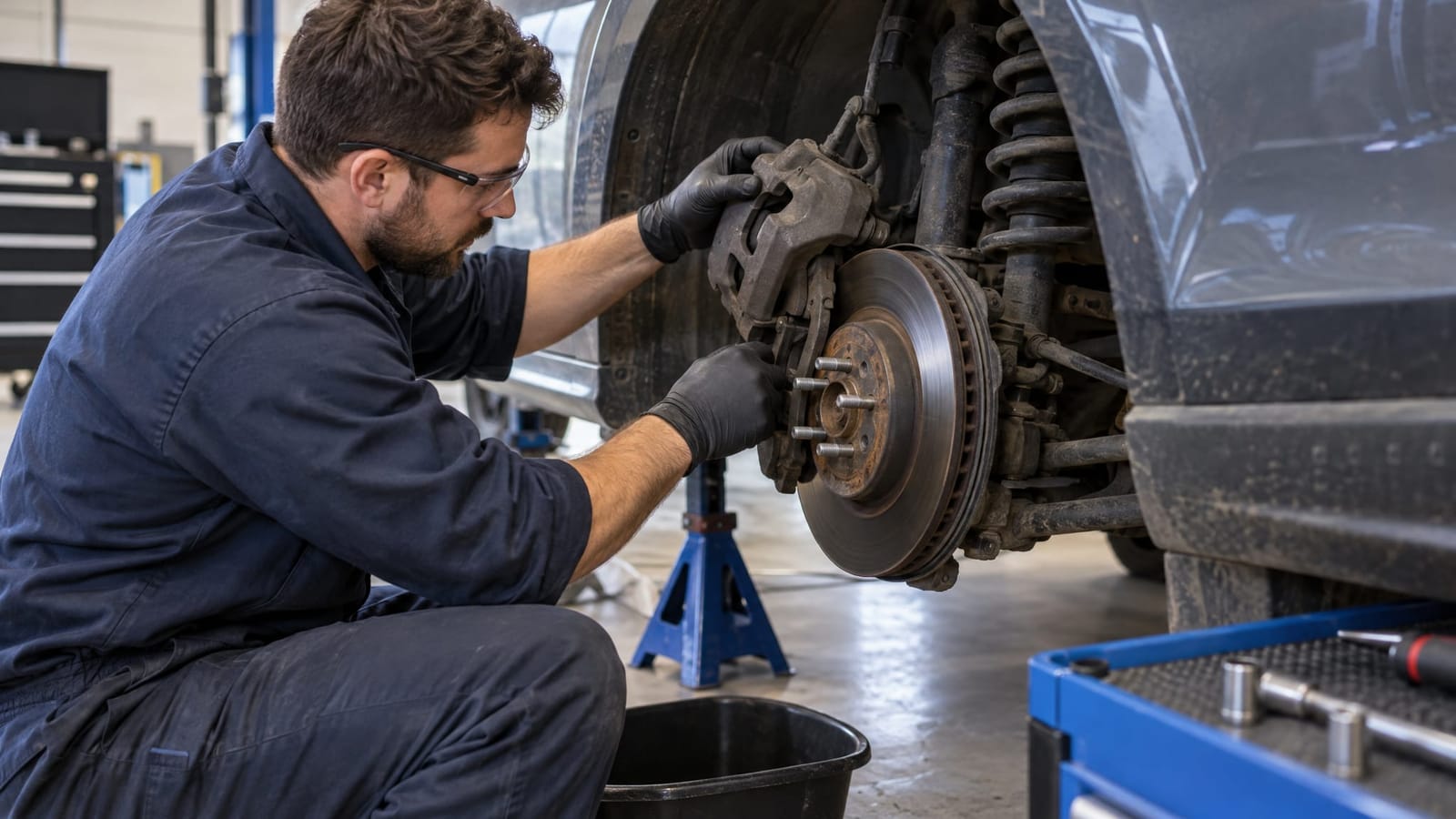
Is a 200,000-Mile Truck Worth Buying Near Forney, TX?
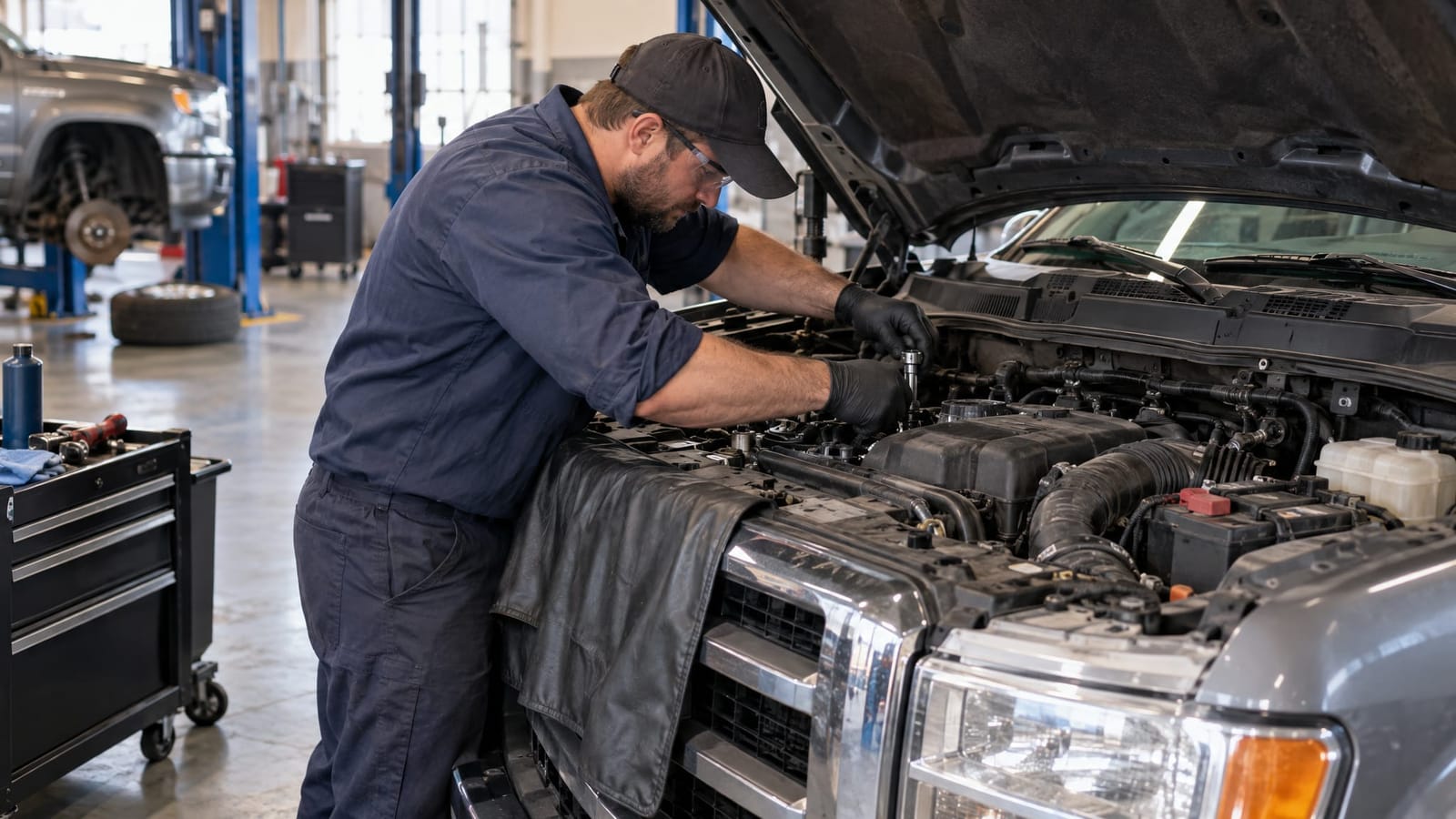
Yes, a truck with 200,000 miles can be worth buying when its maintenance history, mechanical condition and expected repair needs support the purchase. Mileage alone does not make it a bargain or a bad choice. A well-maintained truck with documented repairs can be a better candidate than a lower-mileage truck with neglected maintenance.
At Gregg Automotive in Forney, we put the condition of the whole truck ahead of the odometer reading. The key question is not simply whether the engine runs. It is whether the engine, transmission, frame and other systems make sense for the work you expect the truck to do.
1. Look for a maintenance history, not just a clean truck
Fresh detailing tells you little about mechanical condition. Service receipts are more useful because they show what was done, when it happened and the mileage at the time.
Compare the records with the maintenance schedule for that exact truck. Look beyond oil changes for:
- Transmission, differential and transfer case service, where applicable.
- Cooling-system maintenance and repairs.
- Spark plugs and timing-belt replacement, if the engine uses a scheduled replacement belt.
- Brake, steering and suspension repairs.
- Documentation for major engine or transmission work.
Ask how the truck was used. Regular towing, extended idling and short trips can create different maintenance needs than steady highway driving. Towing history is not an automatic rejection, but it makes the transmission, cooling system, brakes and rear suspension especially important inspection areas.
A claim that “everything has been replaced” is less useful than invoices identifying the parts and work performed.
2. Compare the engine and transmission, not just the badge
There is no useful all-years winner among Toyota, Ford, Chevrolet, GMC and Ram. A reputation for longevity does not tell you the condition of an individual Tundra, Tacoma, F-150, Silverado, Sierra or Ram truck.
Model year, engine and transmission matter because trucks carrying the same name can have very different mechanical designs. A meaningful comparison starts with the exact configuration, followed by its maintenance history and inspection findings.
Diesel power is not automatically the better high-mileage choice, either. Its towing characteristics may fit frequent heavy work, but fuel-injection, turbocharger and exhaust-treatment systems add complexity. A gasoline truck may be a simpler fit for commuting and occasional hauling.
Match the truck to its intended workload. Buying more towing capability than you need can also mean accepting larger tires, heavier components and additional upkeep.
3. Have the inspection cover cold starts, road behavior and the underside
A comprehensive pre-purchase inspection is more than checking fluids and reading an engine fault code. It combines service-history review, diagnostic checks, a road test and an examination underneath the truck. Brake, steering and structural concerns need an in-person assessment by a qualified automotive professional.
The inspection can help answer these questions:
- How does it behave from a cold start? Starting difficulty, persistent smoke, unusual noises and rough running deserve investigation. A truck already warmed up before viewing does not show its cold-start behavior.
- Does it operate normally once warm? Engine temperature, idle quality and power delivery matter throughout the drive, not just during the first few minutes.
- How does the transmission engage and shift? Delayed engagement, slipping or harsh shifts need diagnosis rather than an assumption that a fluid change will fix them.
- What is happening underneath? Inspect the frame, mounting points, brake lines, hitch area and drivetrain for corrosion, damage and leaks. Surface rust and metal weakened by corrosion are different concerns.
- Are wear components still serviceable? Brake condition, tire wear, steering play, suspension looseness and wheel-bearing noise help define near-term work.
- Do the electronics and comfort systems work? Check warning lights, charging-system operation, air conditioning, windows and locks. Small faults can still affect everyday use.
A diagnostic scan can reveal stored or pending faults. Incomplete emissions readiness checks may follow a recent battery disconnect or code clearing, so they deserve context rather than an immediate accusation. A clean scan does not rule out mechanical wear.
If the initial inspection points to an internal engine or cooling-system problem, additional testing may be needed before the condition can be meaningfully assessed.
4. Separate manageable wear from unresolved major problems
At this mileage, expecting every component to be original and perfect is unrealistic. The useful distinction is between work that can be clearly identified and work whose cause still needs diagnosis.
- Defined maintenance needs: Worn tires, overdue scheduled service or a diagnosed brake repair can be listed and estimated.
- Problems needing further diagnosis: Overheating, transmission slipping or persistent engine noise make a purchase harder to evaluate until the cause is identified.
- Structural concerns: Significant frame corrosion, damaged mounting points or questionable repairs warrant particular caution because they affect more than routine upkeep.
For example, a truck with documented drivetrain maintenance that needs tires and brake work presents a clearer decision than a freshly detailed truck with unexplained coolant loss. The first has identifiable needs. The second needs more answers before its asking price tells you much.
5. Build an ownership picture beyond the purchase price
A low asking price does not make a high-mileage truck inexpensive to own. A useful repair estimate separates three categories:
- Work affecting current use: Existing faults and brake, tire or steering concerns.
- Maintenance catch-up: Services due under the manufacturer’s schedule that the records do not show as completed.
- Items to monitor: Conditions that do not currently require replacement but deserve attention at future services.
There is no universal list of parts that automatically need replacement at 200,000 miles. Condition and service history are more useful than replacing components solely because the odometer reached a round number.
Include downtime in the comparison, too. A truck used for daily work has different practical demands than one kept for occasional hauling. If two candidates have similar purchase prices, documented recent repairs and fewer immediate needs can make one substantially easier to live with.
Questions About Buying a 200,000-Mile Truck
Is highway mileage better than city mileage?
Steady highway driving generally involves fewer starts, stops and shifts per mile. However, mileage does not capture extended idling, and highway use does not cancel out neglected maintenance. Records and condition remain the stronger decision tools.
Does a replacement engine make the truck like new?
No. The transmission, axles, wiring, frame and suspension still have their own wear history. Documentation of the replacement engine and installation helps, but the rest of the truck still needs evaluation.
Can an inspection predict how many miles are left?
An inspection can identify current faults, wear and maintenance needs. It cannot guarantee a remaining lifespan. Its value is helping you understand the truck’s present condition and the work likely to matter next.
The Bottom Line
A 200,000-mile truck is worth considering when its condition is documented, its repair needs are clearly understood and its capabilities fit your use. Favor a well-understood truck over a famous badge or an attractive price with unresolved mechanical problems.