What Does Deferred Maintenance on a Used Car Actually Mean in Forney TX?
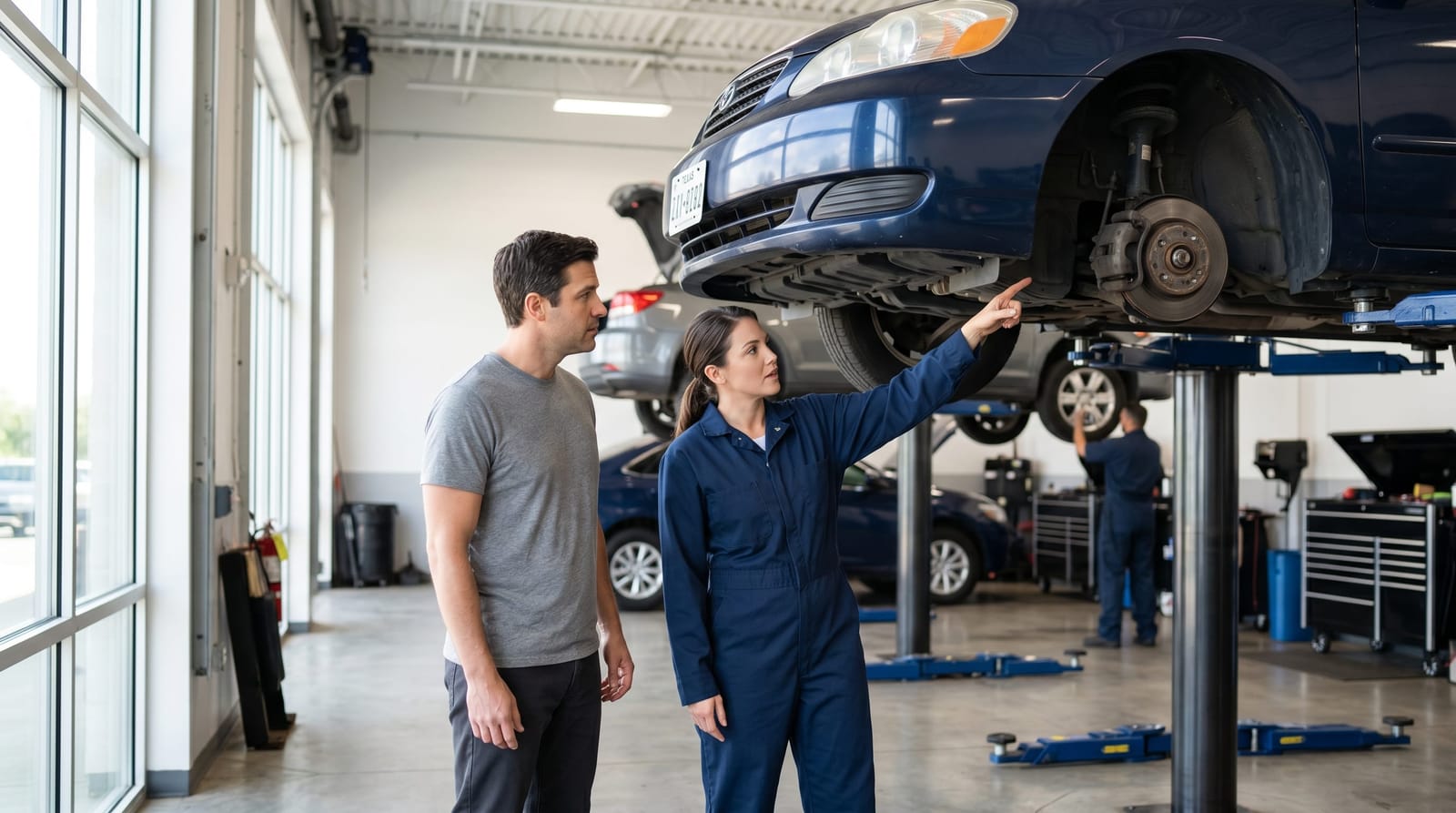
If you've been shopping for a used vehicle in the Forney area, you may have come across the phrase "deferred maintenance": either from a seller, a mechanic, or a vehicle inspection report. It sounds a little vague, but it has a very real impact on what you'll spend after you buy. Understanding what deferred maintenance actually means, how to spot it, and what it costs to address it can help you make a smarter purchase and avoid surprises down the road. This post is part of our broader used vehicle ownership guide for Kaufman County buyers.
What Is Deferred Maintenance, Exactly?
Deferred maintenance simply means maintenance that was due but never done. It's not necessarily the result of neglect in a careless sense: sometimes people skip routine services because money was tight, because they planned to sell the vehicle soon, or because they just didn't know the service was needed. The word "deferred" just means it got pushed off. And pushed off. And pushed off some more.
On a used car, deferred maintenance can range from minor to significant. Common examples include:
- Oil changes that were skipped or done far past the recommended interval
- Transmission fluid that has never been changed despite high mileage
- Brake fluid that's absorbed moisture over years of use
- Cabin air filters and engine air filters that are completely clogged
- Spark plugs that are well past their service life
- Belts and hoses that are cracked, worn, or overdue for replacement
- Tire rotations that never happened, causing uneven wear
None of these items are catastrophic on their own when caught early, but together they represent a backlog of work, and a backlog that will need to be addressed once you take ownership. The vehicle may run fine today, but it's running on borrowed time in certain areas.
Why Do Sellers Skip Routine Maintenance?
It's worth understanding the "why" behind deferred maintenance, because it helps you evaluate a seller's honesty and the vehicle's overall history more clearly.
The most common reason is simply cost. Routine maintenance adds up over the years, and when someone is driving a vehicle they plan to sell or replace, they often make the practical (if short-sighted) decision to skip services that don't affect immediate drivability. An overdue transmission fluid change doesn't make the car lurch or stall today, so it gets skipped.
Another reason is a gap in knowledge. Many vehicle owners genuinely don't know what services are recommended at what intervals. If no one explained the 30/60/90K mile service milestones when they bought the car, they may have only done oil changes and called it good.
And finally, some sellers defer maintenance specifically because they know they're selling. Why spend money on a car you're about to hand off? This isn't dishonest on its face, but it does mean the buyer inherits that deferred work, and should price accordingly.
How to Identify Deferred Maintenance Before You Buy
The good news is that deferred maintenance leaves clues. You don't need to be a mechanic to spot the signs: you just need to know where to look.
Check the Service Records
Ask the seller for any maintenance records they have. Look for consistent oil change history, any documentation of major services (transmission service, brake fluid flush, timing belt replacement), and whether the intervals look reasonable relative to the mileage. Large gaps in service history are a red flag. If a vehicle has 85,000 miles and the only documented service is an oil change two years ago, that tells a story.
You can also pull a vehicle history report using the VIN, which may include reported service visits at dealerships or major chain shops. It won't capture every oil change done at an independent shop, but it provides a useful baseline.
Do a Visual Walk-Around
Even without lifting the hood, you can learn a lot. Look at the tires: are they wearing evenly across the tread, or is one edge significantly more worn than the other? Uneven wear often points to skipped rotations or an alignment issue that was never addressed. Check the condition of the wiper blades. Look through the windshield at the interior cabin air vent area for dust buildup, which can suggest a clogged cabin filter.
Get a Pre-Purchase Inspection
This is the most reliable step you can take. Having a trusted local shop inspect the vehicle before you buy gives you a clear picture of what's been skipped and what needs attention. A good inspection will check fluid conditions, filter status, brake wear, belt and hose condition, and overall mechanical health. The modest cost of that inspection can save you from walking into a purchase carrying thousands of dollars in deferred maintenance you didn't budget for.
What Does It Typically Cost to Catch Up on Deferred Maintenance?
This varies significantly based on the vehicle, its age, its mileage, and what was skipped. But here's a realistic picture of what a "catch-up" service on a commonly purchased used vehicle might include:
- Oil and filter change: $50-$100 depending on oil type
- Transmission fluid service: $150-$300
- Brake fluid flush: $80-$130
- Spark plug replacement: $100-$250 depending on engine type
- Air filter and cabin air filter: $40-$90 combined
- Tire rotation and alignment check: $50-$100
- Coolant flush: $100-$150
A vehicle that's missed several of these services could realistically need $400-$800 in maintenance work right after purchase just to bring it to a proper baseline. In more significant cases, particularly with higher-mileage vehicles, that number can climb higher. Our post on what it costs to get a used car into good shape in Forney TX breaks this down in more detail with specific service categories.
Understanding this going in gives you negotiating leverage. If you're considering a vehicle listed at a certain price and you know it needs $600 in deferred maintenance, that's a reasonable number to bring up in the conversation with the seller.
Frequently Asked Questions
Is deferred maintenance the same as a mechanical problem?
Not exactly. Deferred maintenance refers to services that were skipped according to a recommended schedule: things like fluid changes, filter replacements, or spark plugs. These are preventative services. A mechanical problem is an actual component failure, like a bad alternator or worn brake pads. Deferred maintenance can eventually lead to mechanical problems if left unaddressed long enough, but catching it early usually means you're dealing with routine service work, not major repairs.
Can I tell if oil changes were done regularly just by looking at the oil?
You can get a general sense by checking the oil on the dipstick. Fresh oil is typically amber or light brown. Oil that's very dark and thick, or that looks gritty, suggests it's been extended well past its service interval. That said, oil color alone isn't a definitive indicator: some engines naturally darken oil faster than others. Service records and a professional inspection give you a much clearer picture.
Should I ask for a price reduction if I find deferred maintenance?
Yes, that's a reasonable approach. If a pre-purchase inspection or a review of service records reveals that several routine services are overdue, you have a factual basis for negotiating. You're not asking for a discount out of thin air: you're pointing to specific, documented work that will need to be done after purchase. Most reasonable sellers will understand that.
Do I need an oil change right away after buying a used car?
In many cases, yes, especially if the service history is unclear or the oil on the dipstick looks dark. It's a low-cost way to start fresh and protect the engine from day one. We cover this topic specifically in our post on whether you should get an oil change immediately after buying a used car near Kaufman TX, including what to look for and why timing matters.
Start Your Ownership Off on the Right Foot
Deferred maintenance on a used car isn't a reason to walk away from a vehicle you otherwise like: it's information you can use. When you know what was skipped, you can budget for it, negotiate on price, and plan your first few service visits accordingly. The key is going in with eyes open rather than finding out after the fact. If you've recently purchased a used vehicle in the Forney area and want a straightforward assessment of where it stands, Gregg Automotive is here to help you understand exactly what you're working with: no pressure, no guesswork, just honest answers.