OEM vs Aftermarket Parts: What Forney TX Drivers Should Actually Choose
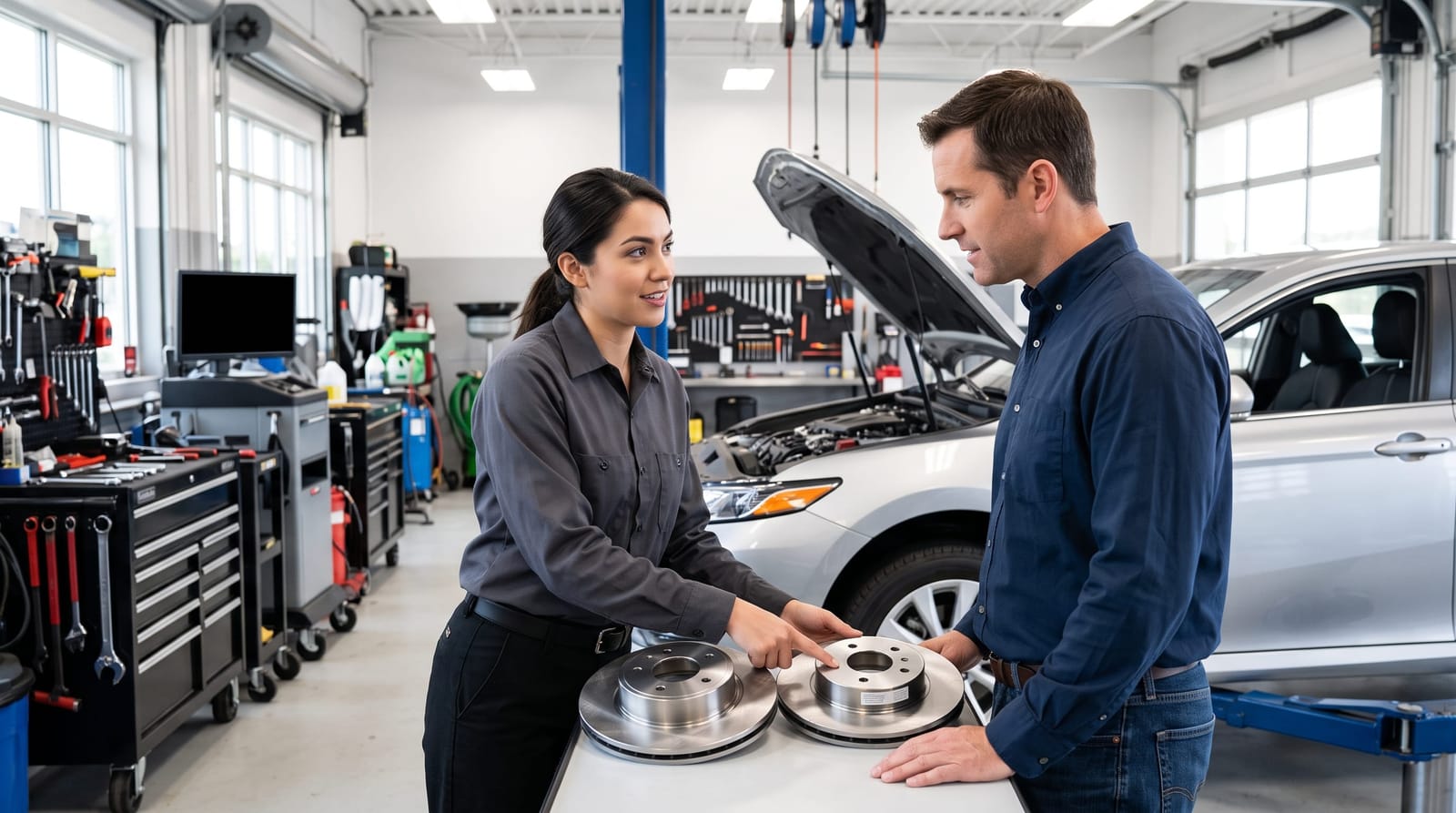
If you've ever had a repair estimate and wondered why parts prices vary so much from shop to shop, or between a dealership and an independent mechanic, the OEM vs aftermarket question is usually at the center of it. For drivers navigating OEM vs aftermarket auto parts in Forney TX, the honest answer isn't as simple as "one is always better." The right choice depends on the part, the vehicle, and who's doing the sourcing. This guide breaks it down clearly so you can make an informed decision without the guesswork.
What OEM and Aftermarket Actually Mean
OEM stands for Original Equipment Manufacturer. These are parts made by, or directly approved by, the company that built your vehicle. When you buy an OEM part, you're getting the same component (or a close equivalent) that was installed when your car left the factory. They're designed to fit your specific make, model, and year without any modification.
Aftermarket parts are made by third-party manufacturers: companies that aren't affiliated with your vehicle's original maker. The aftermarket parts industry is massive. According to the Auto Care Association, the U.S. automotive aftermarket is valued at over $500 billion annually, with hundreds of suppliers producing parts for virtually every vehicle on the road.
The critical distinction is quality consistency. OEM parts are standardized: you know exactly what you're getting. Aftermarket parts range from excellent to poor depending on the brand and supplier. A quality aftermarket brake pad from a reputable manufacturer can perform just as well as an OEM equivalent. A discount-bin version from an unknown brand may not. This is why the source and expertise of whoever is selecting your parts matters just as much as the label on the box.
OEM Parts: When They're Worth It
There are situations where OEM parts are genuinely the better call, and a trustworthy shop will tell you that honestly rather than defaulting to one option for every job.
Complex electronic components are a strong case for OEM. Sensors, control modules, and anything that communicates with your vehicle's computer system can be particularly sensitive to fitment. Even minor differences in an aftermarket sensor's calibration can trigger warning lights or affect performance in ways that are frustrating and time-consuming to diagnose.
Vehicles still under a manufacturer's warranty may have specific requirements around part types. While aftermarket parts don't automatically void your warranty, using OEM parts in certain situations keeps things straightforward and avoids any potential complications.
Rare or specialty vehicles sometimes have limited aftermarket options, making OEM the practical default rather than a premium choice.
The downside? OEM parts purchased through a dealership carry a significant price premium. Studies have shown that dealership parts departments typically mark up OEM parts anywhere from 30% to 50% above wholesale pricing, and that markup gets passed directly to you on your repair bill.
Aftermarket Parts: Where They Make Sense (and Where to Be Careful)
For the majority of everyday repairs: brake pads, filters, belts, water pumps, suspension components: quality aftermarket parts are a completely sound choice. Reputable brands like Bosch, Dorman, Moog, ACDelco, and Gates manufacture parts that meet or exceed OEM specifications. In some cases, these manufacturers actually supply parts to the vehicle makers themselves.
The savings can be substantial. Aftermarket parts can cost 20% to 60% less than their OEM counterparts, depending on the component and vehicle. On a brake job or a cooling system repair, that difference in parts cost translates directly to a lower total on your invoice.
Where aftermarket parts can fall short is in lower-quality tiers. Not all aftermarket brands are equal, and some cheaper options use inferior materials that wear out faster or don't fit as precisely. This is why the shop doing your repair plays a major role in the outcome. A shop that carefully selects aftermarket parts from proven suppliers delivers reliable results. A shop that simply buys the cheapest available part creates a different story entirely.
When reviewing a repair estimate, understanding what's included in parts costs is just as important as understanding labor charges. For a closer look at how to evaluate what you're actually paying for, how to read auto repair estimate Crandall TX walks through the key line items to pay attention to.
How Independent Shops Deliver OEM Quality at a Better Price
Here's something most drivers don't realize: independent auto repair shops have access to the same quality OEM and aftermarket parts that dealerships use, often from the same distributors. The difference is that independent shops aren't locked into a single parts source and don't carry the same overhead structure as a dealership's parts department.
Dealerships operate parts departments as profit centers. The markup on parts is a significant revenue stream, which is why dealership repair bills often run noticeably higher than independent shops doing the same work. According to AAA, the average hourly labor rate at a dealership runs between $150 and $215 per hour, while independent shops typically range from $80 to $130, and the parts pricing gap follows a similar pattern.
An independent shop with a good supplier network can source quality OEM or top-tier aftermarket parts at competitive wholesale prices and pass those savings along. When a shop is transparent about what parts they're using and why, that's a sign of an honest business relationship, not a compromise on quality.
At Gregg Automotive, part of how we consistently beat dealership pricing comes down to smarter parts sourcing. We use quality parts that match or exceed OEM specifications for the job, explain our recommendations to customers, and don't pad the bill with unnecessary markups.
Side-by-Side Comparison: OEM vs Aftermarket
- Fit and compatibility: OEM parts are guaranteed to fit your exact vehicle; quality aftermarket parts from reputable brands typically match closely
- Cost: OEM parts through a dealership are typically 30%-50% more expensive; aftermarket parts from trusted brands offer comparable quality at lower price points
- Availability: Aftermarket parts are more widely available and can often be sourced faster; OEM parts may require ordering and waiting for dealer stock
- Quality consistency: OEM is standardized; aftermarket varies by brand: top-tier brands are reliable, off-brand options carry more risk
- Best for: OEM makes the most sense for complex electronics, specialty vehicles, and warranty-sensitive situations; quality aftermarket is well-suited for the large majority of routine and major repairs
Frequently Asked Questions
Will aftermarket parts void my car's warranty?
Generally speaking, using aftermarket parts does not automatically void a vehicle warranty. The Magnuson-Moss Warranty Act provides some general consumer protections in this area, but for specifics about your vehicle's warranty terms, it's worth reviewing your owner's documentation or speaking with your manufacturer. This is an informational note only, for guidance specific to your situation, consult your warranty documents directly.
How do I know if an aftermarket part is actually good quality?
Brand reputation is the strongest indicator. Parts from established manufacturers like Bosch, Moog, Gates, Dorman, or ACDelco have long track records and meet industry quality standards. A shop that's willing to tell you exactly what brand they're installing, and why, is giving you the transparency you deserve.
Do independent shops in Forney TX use the same parts as dealerships?
Yes, many independent shops have access to OEM parts through authorized distributors, as well as quality aftermarket brands. The difference is typically in how parts are marked up and whether the shop has the flexibility to choose the best option for your specific repair rather than being limited to a single supplier.
Are cheaper aftermarket parts ever a reasonable choice?
For some low-stress, easily replaceable items like cabin air filters, wiper blades, or basic hardware, lower-cost options may be perfectly adequate. For anything load-bearing, safety-related, or tied to your vehicle's core systems, brakes, steering, engine components, sticking with a reputable brand is worth the modest extra cost.
The Bottom Line for Forney TX Drivers
The OEM vs aftermarket decision isn't about cheap vs quality: it's about matching the right part to the right repair and working with a shop that knows the difference. For most everyday repairs, quality aftermarket parts deliver reliable results at a meaningfully lower cost than dealership pricing. For specialized or sensitive components, OEM may be the wiser call. An honest independent shop will guide you through that decision rather than defaulting to the most expensive option. That's the kind of straightforward approach that keeps vehicles running well and customers coming back.