How Many Miles Is Too Many for a Used Car Engine in East Texas?
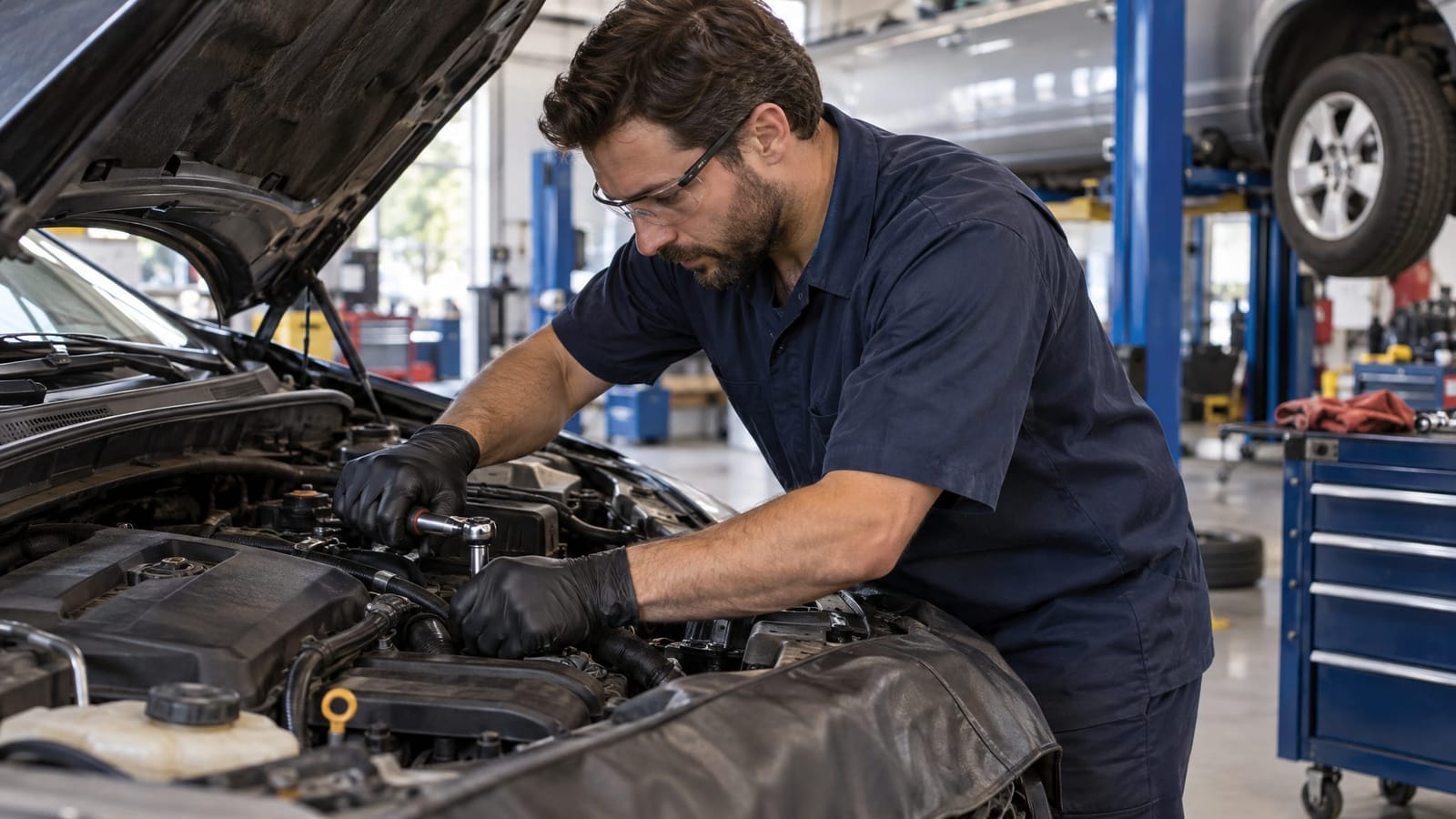
There is no single mileage number that makes a used car engine too worn to buy. Maintenance history, oil consumption, cooling-system condition, and how the engine runs tell you more than the odometer alone. High mileage calls for closer evaluation, not an automatic rejection.
For drivers in Forney and across Kaufman County, the useful question is whether the engine’s condition supports the driving you need it to do. East Texas heat, stop-and-go trips, towing, and dusty roads all belong in that conversation. So does the condition of the rest of the vehicle, especially if an engine replacement might eventually be part of ownership.
Our Take: Mileage Is a Screening Tool, Not a Diagnosis
Consider two used vehicles: one with 180,000 miles and consistent maintenance records, and another with 90,000 miles, repeated overheating, and unexplained oil loss. The higher-mileage vehicle deserves consideration. The lower-mileage one deserves a closer look at its problems, despite the more attractive odometer reading.
That does not mean maintenance cancels out wear. Bearings, piston rings, seals, and other components still age through use. Good records simply help explain how the engine reached its current mileage.
A useful buying decision separates three questions:
- How was it maintained? Look for documented work rather than broad statements about regular service.
- What condition is it in now? Evaluate operation, fluid loss, warning lights, and any necessary test results.
- What work is approaching? Identify engine-specific maintenance and unresolved repairs before comparing vehicles.
The Evidence That Matters Most on a High-Mileage Engine
Maintenance records need dates, mileage, and details
Oil-change records are a good starting point. Compare their dates and mileage with the vehicle manufacturer’s maintenance schedule, including any severe-service guidance that matches its use. The correct oil specification matters, too. Fresh oil at the time of sale does not describe the engine’s earlier care.
Other useful records include cooling-system repairs, spark plug replacement, and timing-belt service when the engine uses a belt with a scheduled replacement interval. Timing chains are different: they generally are not treated as scheduled belt replacements, but they can still develop wear or related component problems.
Ask about oil added between changes and any overheating events. A receipt for a radiator replacement explains one repair; it does not, by itself, establish whether an overheating event affected the engine internally.
Cold starts and fully warmed operation reveal different clues
Arrange to see the vehicle before its first start of the day when possible. A cold start can reveal rattles, uneven running, or exhaust smoke that becomes less obvious after the engine warms up. Then evaluate how it idles and responds during normal driving at operating temperature.
Pay attention to these distinctions:
- Blue exhaust smoke: This can indicate burning oil, but the cause needs diagnosis.
- White vapor: Brief condensation after a cold start differs from persistent white exhaust after warm-up, particularly alongside coolant loss.
- Rough running: Ignition or fuel-delivery problems can cause it, but so can internal engine trouble.
- Fresh fluids: They show recent service, not necessarily a healthy engine. Oil color alone is not a reliable verdict.
Visible clues are most useful together. Our article on signs of serious used car engine problems in Terrell explains warning patterns that deserve closer attention.
Testing separates a repairable problem from internal wear
A check engine light identifies a need for diagnosis, not an automatic need for a replacement engine. A misfire code, for example, describes a combustion problem. It does not establish whether the cause is a spark plug, ignition coil, injector, or loss of compression.
Depending on the symptoms, an automotive technician may use:
- A scan of the vehicle’s computer: Checks stored faults and operating information. Incomplete readiness checks can follow a battery disconnect or cleared codes and need context.
- Compression or leak-down testing: Evaluates how well the cylinders seal and helps narrow down internal leakage.
- Oil-pressure testing: Checks actual pressure when a warning or engine noise makes it relevant.
- Cooling-system testing: Helps locate leaks and investigate overheating or suspected internal coolant loss.
Not every used car needs every test. Symptoms and inspection findings determine which tests add value. A pre-purchase car inspection in Forney also puts engine findings alongside the transmission, brakes, suspension, and other major systems.
How East Texas Heat and Rural Driving Affect the Picture
Heat makes cooling-system condition especially relevant
Hot weather reduces the temperature difference that helps a radiator shed heat. Slow traffic also places more reliance on the cooling fan because less air moves through the radiator from driving. These conditions make existing cooling problems more important to identify.
Look for a stable temperature reading during normal operation, along with records explaining previous coolant leaks or overheating repairs. Persistent coolant loss deserves an explanation even when the engine seems to run smoothly. A working air conditioner is not proof that the engine’s cooling system is healthy.
Hot coolant can cause burns. Hands-on cooling-system checks are best left to a qualified automotive technician rather than opening a hot system during a vehicle viewing.
Rural mileage can be gentle or demanding
Long, steady drives let an engine reach operating temperature and involve fewer cold starts per mile than repeated short trips. But “mostly highway miles” is not a substitute for maintenance records.
Rural use can also involve towing, dusty roads, and substantial idling. Dust makes air-filter condition and a properly sealed intake important. Towing increases engine load, while idling adds operating time without adding much mileage.
Ask what the vehicle actually did. A commuter vehicle, a delivery vehicle, and a truck used for towing can accumulate similar mileage under very different conditions.
When a Targeted Repair Makes More Sense Than an Engine Swap
High mileage alone is not a reason to replace an engine. A repair remains a reasonable option when diagnosis points to a specific fault and the engine’s underlying condition is sound.
For example, an external oil leak does not automatically mean worn piston rings. A misfire traced to an ignition coil does not indicate failed cylinders. A cooling-system leak caught before overheating is different from an engine with repeated overheating and internal damage.
The useful distinction is between a problem attached to the engine and damage inside the engine. Even internal problems vary in scope, so the diagnosis matters more than the category alone.
Repeatedly replacing parts without establishing the cause is not a sound repair plan. Neither is jumping straight to an engine swap because the odometer looks intimidating. A written estimate tied to identified faults makes the comparison clearer.
When an Engine Swap Deserves a Closer Look
An engine swap becomes worth comparing when testing identifies extensive internal damage, several major internal repairs are needed, or repairing the existing engine approaches the complete installed cost of a suitable replacement.
At Gregg Automotive in Forney, we offer engine swaps as well as maintenance and tuneups. The important distinction is whether replacement addresses confirmed engine damage, rather than a symptom that a smaller repair could resolve.
Compare complete jobs, not an engine listing against a repair estimate
A replacement engine’s purchase cost is only one part of the job. A useful comparison includes installation labor, fluids, necessary seals, transferred components, and any related work. It also accounts for the original cause of failure. Replacing an engine without resolving a cooling fault, for example, leaves that fault in place.
Replacement choices deserve their own questions:
- Used engine: What is its documented history, and what testing describes its current condition?
- Rebuilt or remanufactured engine: What work was performed, and which components were inspected or replaced? The terms alone do not describe the full scope.
- Compatibility: Is the engine the correct version for the vehicle’s electronics, accessories, and other systems?
The rest of the car still has to justify the work
An engine swap does not renew the transmission, steering, air conditioning, or suspension. Replacement can be more economical than extensive engine repairs when the rest of the vehicle is in good condition. The comparison changes when several other major systems also need work.
That is why checking a used car for hidden brake and suspension problems belongs in the same evaluation. A healthier engine cannot compensate for an otherwise heavily worn vehicle.
After Buying, Establish a Maintenance Baseline
Once a high-mileage vehicle is yours, organize its records and compare completed services with the manufacturer’s schedule. Separate current repairs from routine maintenance and items that simply need monitoring.
Useful early habits include recording the mileage of each service and tracking any oil or coolant added. Follow the owner’s manual for fluid-checking procedures, oil specifications, and service intervals. High mileage by itself is not a reason to switch to thicker oil or add a treatment.
Our first 1,000 miles maintenance checklist for Kaufman County owners helps organize those initial ownership tasks without treating every older vehicle as if it needs the same work.
The Bottom Line: Buy the Engine’s Condition, Not Just Its Mileage
A high-mileage engine can be a reasonable choice when its maintenance history, current operation, and inspection findings agree. A lower-mileage engine with overheating, oil loss, or unresolved internal problems can be the less attractive option. Let evidence determine the repair plan, and evaluate an engine swap against both a complete repair estimate and the condition of the whole vehicle.