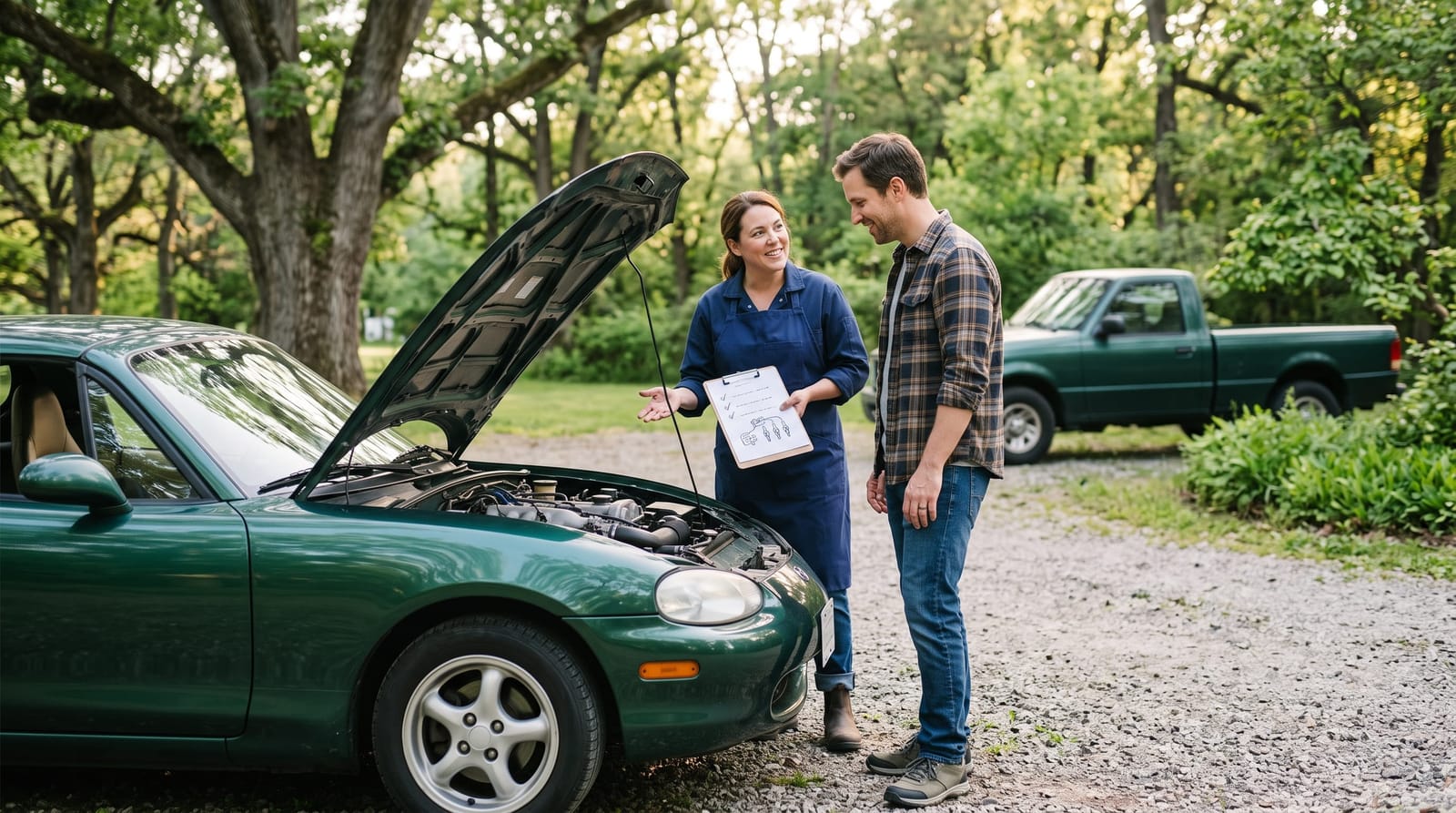
What Is a 30,000-Mile Service and What Does It Cost in Kaufman County?
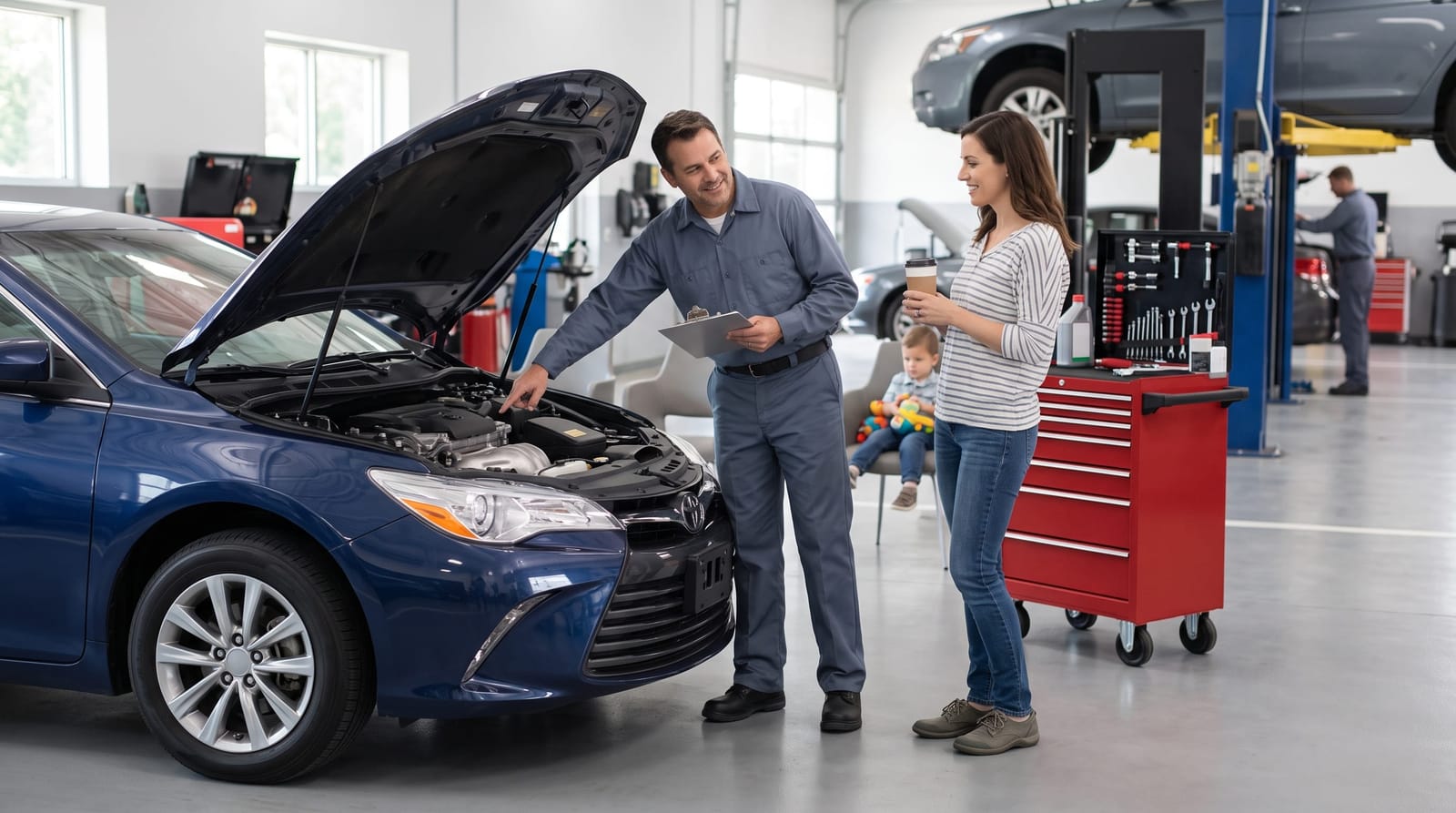
If your odometer is creeping toward 30,000 miles, you may have heard that it's time for a service, but what does that actually mean? A 30,000-mile service is one of the most important routine maintenance intervals your vehicle will go through, and understanding what's involved can help you budget wisely and keep your car running reliably for years to come. Whether you drive a daily commuter, a family SUV, or a work truck on Kaufman County roads, this guide breaks down exactly what to expect: what gets inspected, what gets replaced, and what it typically costs at an independent shop versus a dealership. Think of this as your starting point for understanding one of the key milestones in a car's long-term maintenance calendar: a topic we explore in depth in our complete engine tune-up guide for Forney and Kaufman County drivers.
What Is the 30,000-Mile Service?
The 30,000-mile service is a scheduled maintenance visit that addresses a group of wear items and fluid checks that typically need attention after your vehicle has covered its first 30,000 miles. Think of it as a comprehensive health check: your mechanic isn't just looking at one thing but rather reviewing several systems at once to make sure everything is holding up the way it should.
Most manufacturers build maintenance schedules into their owner's manuals, and 30,000 miles is a near-universal checkpoint. It's significant because by this point, several consumable components, things like air filters, spark plugs, and fluids, have been working hard and may be due for replacement or at least a close inspection.
This service is also meaningful because it sets the stage for everything that follows. Skipping it or delaying it can mean that wear goes unnoticed until it causes a more noticeable, and more expensive, problem down the road. The 30,000-mile service is genuinely about prevention, not pressure.
It's worth noting that this service interval is different from a basic oil change or a tune-up, though those services may overlap with it. If you've been wondering what does a tune up do for your vehicle, you'll notice that some tune-up tasks, like checking spark plugs, show up in the 30,000-mile service as well. That overlap is intentional: these intervals are designed to work together as part of a larger maintenance rhythm.
What's Included in a 30,000-Mile Service Checklist?
The exact checklist can vary by vehicle make, model, and how it's been driven, but most 30,000-mile services cover a core set of inspections and replacements. Here's what you can generally expect:
Fluid Checks and Changes
- Engine oil and filter: If you haven't had an oil change recently, this will be done. Fresh oil protects your engine's moving parts and helps with fuel efficiency.
- Transmission fluid: Checked and topped off as needed. Healthy transmission fluid helps your vehicle shift smoothly and protects internal components from wear.
- Brake fluid: This is often checked and sometimes changed around the 30,000-mile mark. Brake fluid absorbs moisture over time, which can affect how your brakes respond, especially important for safety on busy roads like US-80 or Highway 34.
- Coolant: Your mechanic will check the coolant level and the condition of the mixture to make sure your engine isn't at risk of overheating, particularly heading into Texas summers.
- Power steering and windshield washer fluid: Topped off as part of a thorough service visit.
Filters and Spark Plugs
- Engine air filter: After 30,000 miles, the air filter has likely caught a significant amount of dust, pollen, and road debris. A clogged filter restricts airflow to the engine, which can reduce performance and fuel economy. Replacing it is simple and affordable.
- Cabin air filter: This filter keeps the air inside your vehicle clean. It's often overlooked but easy to replace at this interval.
- Spark plugs: Depending on your vehicle, spark plugs may be inspected or replaced. Standard copper plugs often need attention around 30,000 miles, while longer-lasting iridium or platinum plugs may still have life left. Your technician can assess their condition.
Belts, Battery, and Safety Checks
- Drive belts: The serpentine belt and other belts are visually inspected for cracking, fraying, or excessive wear. A failing belt can leave you stranded, so catching it early matters.
- Battery: The battery gets tested for charge and output. Most batteries last three to five years, so at 30,000 miles it's worth knowing where yours stands.
- Brakes: Brake pads and rotors are inspected for wear. Depending on your driving habits, stop-and-go commuting versus open highway driving, they may or may not need attention yet.
- Tires: Tread depth and tire pressure are checked. If the tires haven't been rotated recently, that's typically done at this visit as well.
- Lights and wipers: A quick check of exterior lights and wiper blade condition rounds out a thorough inspection.
What Does a 30,000-Mile Service Cost in Kaufman County?
Cost is one of the most common questions drivers have, and the honest answer is that it varies depending on your vehicle, the shop you choose, and which specific services are needed. That said, here's a general picture of what families and commuters in the Kaufman County area can typically expect.
Independent Shop Pricing
At a local independent repair shop like Gregg Automotive, a 30,000-mile service typically runs in the range of $150 to $400, depending on what your specific vehicle needs. This range accounts for an oil change, fluid top-offs, filter replacements, and a thorough multi-point inspection. If spark plugs need replacing or brake fluid needs to be changed, those add to the cost, but a good shop will walk you through what's needed and what can wait, so you're never pressured into services that aren't necessary right now.
Dealership Pricing
Dealerships often charge more for the same services: sometimes in the range of $300 to $600 or higher for a 30,000-mile service package. Part of this reflects higher overhead costs, and part of it is that dealership service menus sometimes bundle in services you may not actually need at this mileage. It's worth asking for an itemized breakdown no matter where you go.
What Affects the Price?
- Vehicle type: Trucks, SUVs, and European models can cost more to service than standard domestic sedans.
- Oil type: Synthetic oil costs more than conventional but is often the right choice for modern engines.
- Condition of the vehicle: A car that hasn't had consistent maintenance may need more attention at this interval.
- Parts quality: OEM (original equipment manufacturer) parts cost more than aftermarket alternatives, but both can be appropriate depending on the situation.
Understanding engine tune up frequency schedule recommendations for your specific vehicle can help you time these services strategically, which often means you're never paying for everything at once.
Independent Shop vs. Dealership: Which Is Right for You?
This is a question many Kaufman County drivers ask, and there's no single right answer, but there are some helpful things to consider.
Dealerships specialize in the specific brand they sell, and for vehicles still under manufacturer warranty, some drivers prefer sticking with the dealership for peace of mind. However, it's worth knowing that having your vehicle serviced at an independent shop does not automatically void your manufacturer's warranty when the shop uses appropriate parts and follows manufacturer service guidelines. For general educational reference on this, we recommend reviewing your owner's manual or speaking with your service advisor: this content is informational, not legal or warranty advice.
Independent shops like local Forney-area mechanics often offer more personalized service, shorter wait times, and more competitive pricing. Many independent shops have technicians who are ASE-certified and work on a wide range of makes and models every day. You're also more likely to get a straightforward explanation of what was found and what it costs, without the upsell pressure that some drivers report at dealership service centers.
The best approach is to find a shop you trust, ask questions, and make sure you understand what's being done and why. A good mechanic welcomes those questions.
How to Prepare for Your 30,000-Mile Service Visit
Walking into a service appointment informed makes the whole experience easier. Here are a few simple steps to prepare:
- Check your owner's manual. Look up the manufacturer's recommended 30,000-mile service list for your specific vehicle. Some vehicles have longer intervals for certain services, and your manual is the authoritative guide.
- Review your service history. If you've already had certain services done recently, like a fresh oil change or new air filter, let your technician know. You may not need to repeat those items.
- Write down any concerns. If you've noticed anything unusual, a noise, a change in fuel economy, a vibration, mention it at the start of your appointment. Your technician can look for related causes while they have the vehicle.
- Ask for an estimate before work begins. A trustworthy shop will give you a clear picture of what they recommend and what it will cost before any work starts.
- Plan for the next interval. When you leave, ask your technician what to expect at the 60,000-mile mark. Understanding what's ahead helps you budget for it. Our upcoming post on 60000 mile service checklist cost breaks that next milestone down in detail.
Related Maintenance Topics Worth Knowing
The 30,000-mile service is one milestone in a longer maintenance journey. As your vehicle gets older, each service interval builds on the last. If you're curious about how regular maintenance like this connects to your vehicle's overall engine performance, it's worth reading up on engine performance upgrade benefits that come from keeping up with scheduled services, even routine ones have a real impact on how your car feels to drive day to day.
Other related topics that may be helpful for Kaufman County drivers planning their maintenance schedules include understanding what a full tune-up involves versus a standard oil change, how to read your vehicle's dashboard warning indicators, and what to expect at both the 60,000 and 90,000-mile intervals.
Conclusion
The 30,000-mile service is a straightforward but important part of keeping your vehicle healthy and reliable. It covers the fluids, filters, belts, battery, and other components that take on steady wear during your first 30,000 miles on the road. Whether you drive a commuter car, a family minivan, or a pickup truck through Forney, Terrell, Heath, or anywhere in Kaufman County, reaching this milestone is your opportunity to stay ahead of problems before they start.
If your vehicle is approaching 30,000 miles, or past it, the team at Gregg Automotive is happy to walk you through what your specific vehicle needs, provide a clear estimate, and take care of it the right way. Give us a call or stop by to schedule your service today.