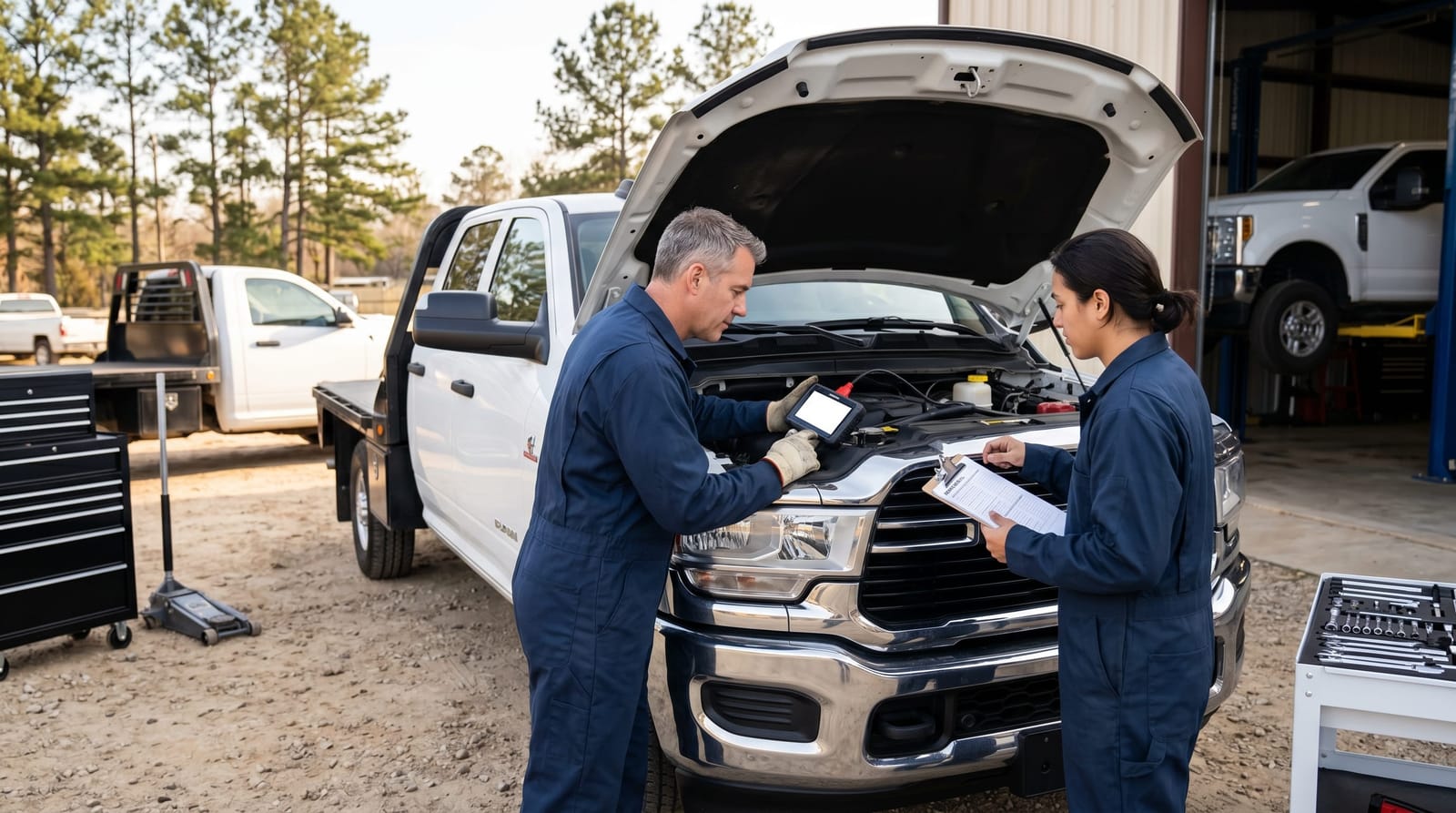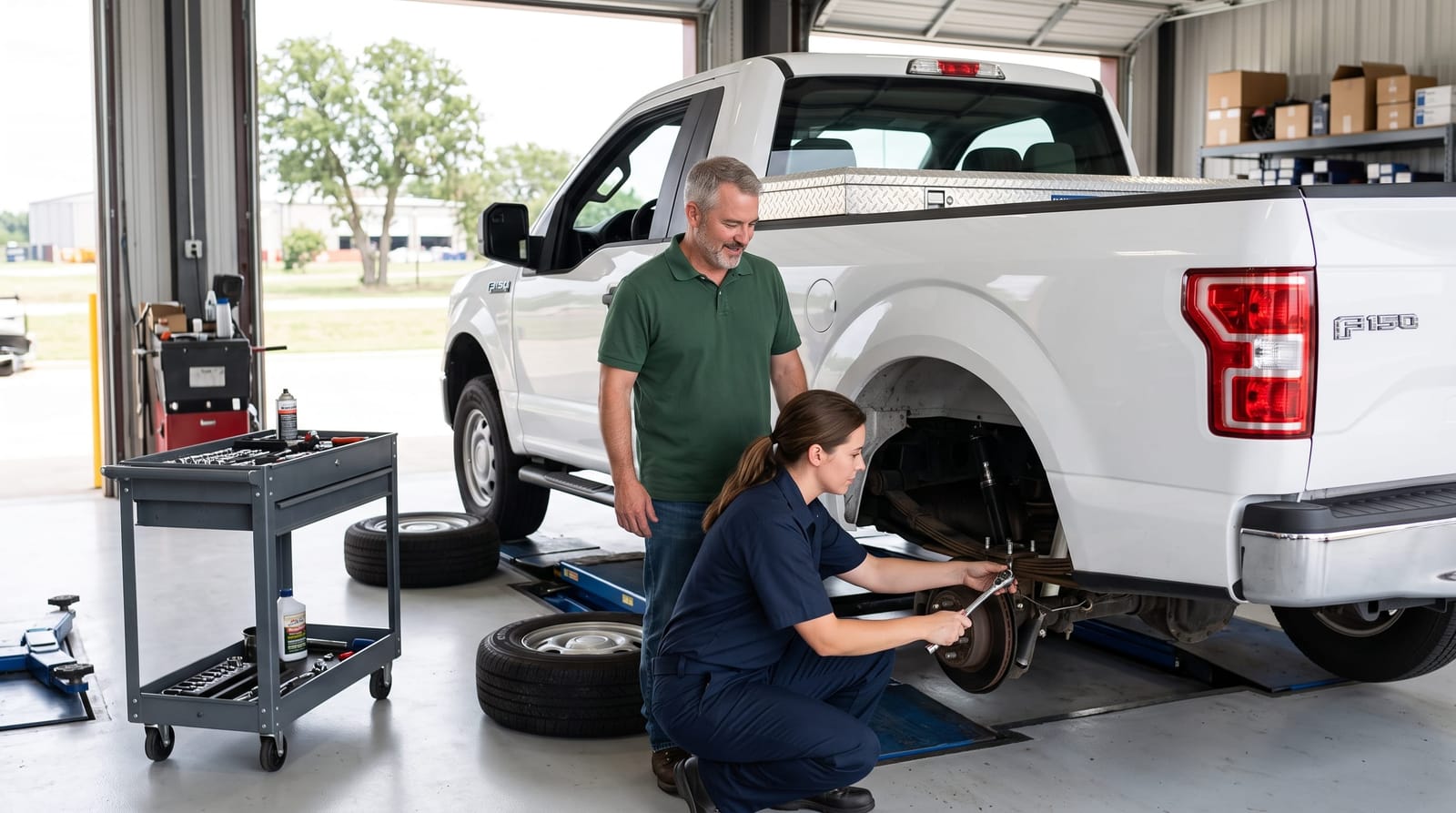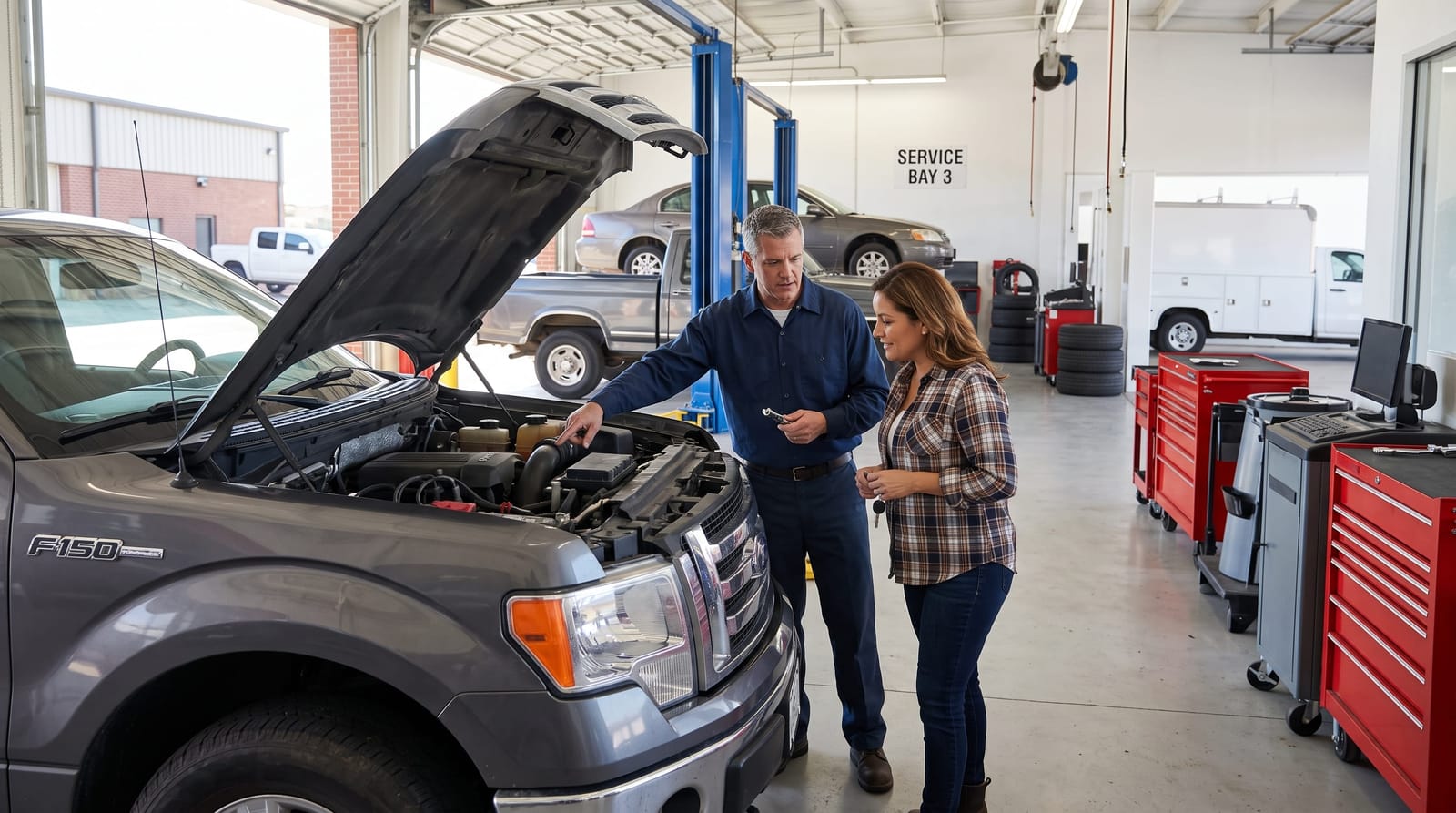
What Spark Plugs Should a High-Mileage F-150 or Silverado Use in Kaufman County?
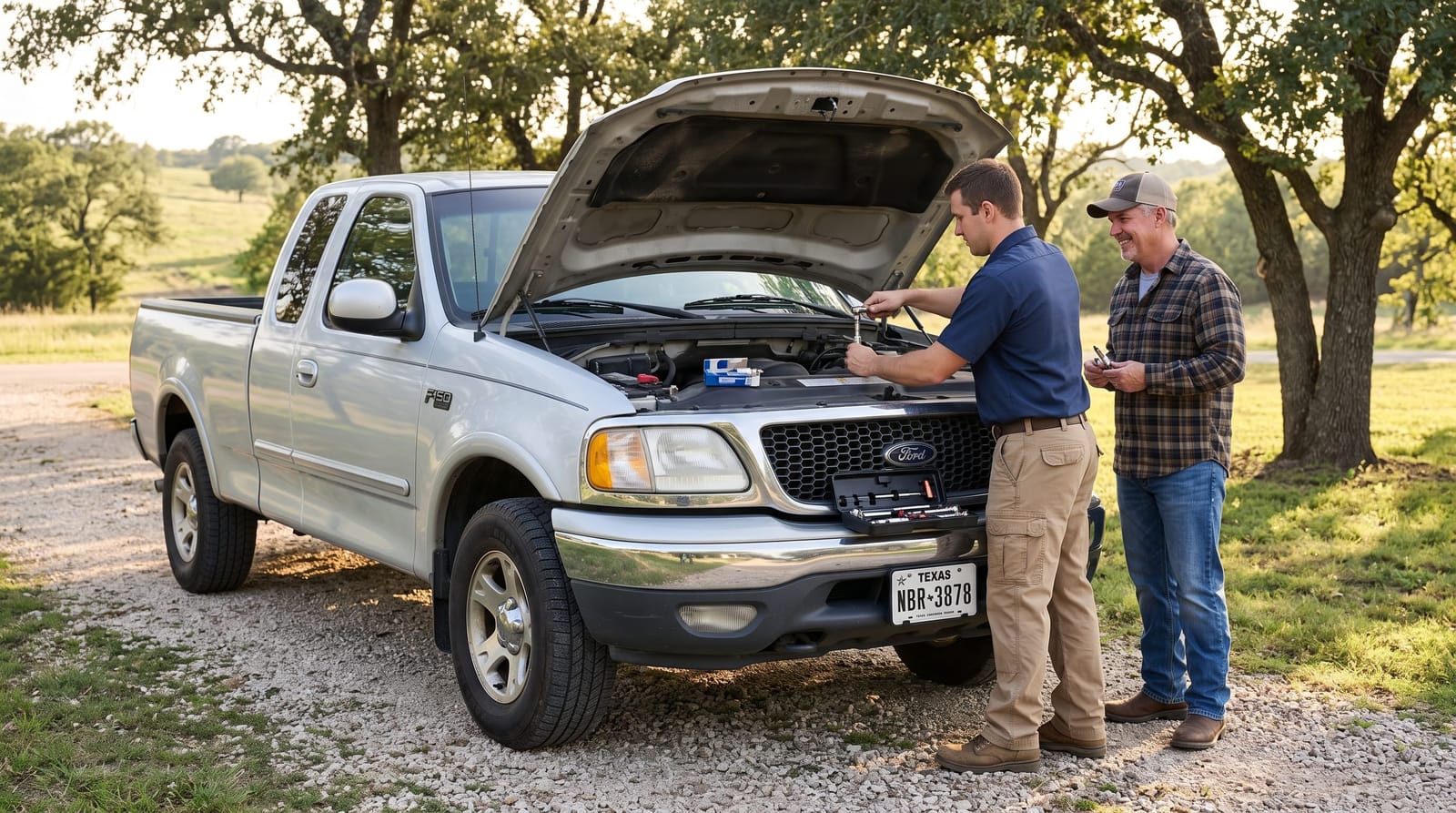
If your Ford F-150 or Chevy Silverado is pushing six figures on the odometer, spark plugs are one of the most practical maintenance items worth paying attention to. These small components play a big role in how your engine runs day to day, whether you're hauling equipment across Kaufman County, making a farm run outside Terrell, or just commuting into the Dallas area and back. This guide breaks down the best practices for spark plug replacement on high-mileage trucks, including which plug types work best, when to replace them, and what the service actually involves.
1. Know the Three Main Spark Plug Types Before You Choose
Not all spark plugs are the same, and the differences matter, especially on a truck that's already logged serious miles. Here's a plain-English breakdown of your three main options:
Copper Spark Plugs
Copper plugs are the most affordable option and have been around the longest. They conduct electricity well, but they wear out faster than other types, often needing replacement every 20,000 to 30,000 miles. For most modern F-150s and Silverados, copper plugs aren't the recommended go-to unless you're doing a very specific engine application or are replacing them as a short-term fix.
Platinum Spark Plugs
Platinum plugs last significantly longer than copper: typically in the 60,000-mile range. They're a solid middle-ground option that works well in many standard V6 and V8 engine configurations. If your truck uses a single platinum plug (rather than double platinum), keep in mind that one electrode still wears faster than the other over time.
Iridium Spark Plugs
Iridium is the premium choice for high-mileage trucks, and it's what most manufacturers now recommend for engines like the Ford 5.0L Coyote V8, the EcoBoost V6, and GM's 5.3L or 6.2L V8 platforms. Iridium plugs are harder and more heat-resistant than both copper and platinum, which means they hold their shape longer and maintain a consistent spark over time. For a truck that's already seen 80,000 or more miles, iridium plugs offer the best long-term reliability and typically last up to 100,000 miles when properly maintained.
The simple rule: Use whatever your owner's manual specifies first. If your truck originally came with iridium plugs, replace them with iridium. Mixing plug types or downgrading can lead to uneven engine performance.
2. Follow the Right Replacement Interval for Your Mileage
One of the most common mistakes high-mileage truck owners make is assuming spark plugs last forever because the engine "still runs fine." The truth is, spark plugs can degrade gradually, and the changes in performance happen slowly enough that you might not notice until the truck is already running below its potential.
Here are practical interval guidelines based on plug type and truck usage:
- Copper plugs: Every 20,000-30,000 miles
- Platinum plugs: Every 60,000 miles
- Iridium plugs: Every 80,000-100,000 miles
If you bought your truck used, which is common in Kaufman County where a lot of folks pick up pre-owned work trucks, there's a good chance you don't have a clear service history. If you're not sure when the plugs were last changed and the truck is over 75,000 miles, it's worth having them inspected. A shop can pull one plug and give you a good idea of where you stand without doing a full replacement right away.
Trucks that do a lot of heavy towing, haul heavy loads regularly, or idle for extended periods may also benefit from slightly shorter replacement intervals, since these conditions put more strain on the ignition system overall.
3. Watch for These Signs That Your Plugs Are Due
Beyond mileage intervals, your truck will often give you signals that the spark plugs are wearing out. Here are the most common ones to watch for:
- Rough idle: If your truck shakes or feels unsteady when sitting still at a red light or warming up in your driveway, misfiring plugs are a common cause.
- Sluggish acceleration: A truck that hesitates or feels "flat" when you press the gas pedal, especially when merging onto the highway or pulling a load, may be losing ignition efficiency.
- Reduced fuel economy: Worn plugs don't burn fuel as efficiently, so you may notice more frequent fill-ups without any obvious change in your driving habits.
- Check engine light: A misfire code (commonly P0300 through P0308 on most trucks) will trigger the check engine light and often points directly to spark plug wear or a related ignition issue.
- Hard starts: If your truck takes longer to turn over than usual, especially in the morning, the ignition system, including the plugs, is worth checking.
None of these symptoms on their own confirm bad spark plugs, but they're good reasons to schedule a quick inspection so you know what you're working with.
4. Understand What the Replacement Service Actually Involves
Spark plug replacement on an F-150 or Silverado is a routine service, but it's not always as straightforward as it sounds, especially on certain engine configurations. Here's what the process generally looks like:
On a Ford F-150 with the 5.4L Triton V8 (common on older model years), spark plug removal requires extra care because these engines have a known issue with plugs seizing in the cylinder head over time. A good shop will use proper extraction tools and take precautions to avoid breaking a plug during removal. This is one of the main reasons F-150 owners are better off having a professional handle this job rather than tackling it as a weekend DIY project on a high-mileage engine.
On Silverados with the 5.3L or 6.2L V8, spark plug access is generally more straightforward, though the job still involves removing ignition coils and working carefully in tight engine bay spaces.
A complete spark plug service typically includes:
- Removal and inspection of all plugs
- Checking plug condition (color, gap, electrode wear)
- Inspecting ignition coils and boots while components are accessible
- Installing new plugs to manufacturer torque specs
- A brief road test to confirm smooth operation
Cost for this service generally ranges from around $100 to $250 depending on the engine, plug type, and labor time involved. Iridium plugs cost more upfront, but they last significantly longer: making them a practical value for most high-mileage truck owners who want to avoid repeating the service frequently.
5. Don't Overlook the Rest of Your Ignition System
Spark plugs don't work alone. When you're having plugs replaced on a high-mileage truck, it's worth asking your shop to take a look at the related ignition components while everything is accessible. This includes:
- Ignition coils: Each cylinder has its own coil on most modern F-150s and Silverados. A failing coil can cause the same symptoms as a bad spark plug, and replacing a plug without addressing a weak coil means you may be back in the shop sooner than expected.
- Spark plug wires (if applicable): Older truck models with a distributor-based ignition system use plug wires that can crack, corrode, or degrade over time.
- Air filter: A clogged air filter affects combustion efficiency and can accelerate plug wear. Since the air filter is easy to check during the same visit, it's worth confirming it's clean.
Taking a complete look at the ignition system while the engine is already partially accessed saves time and labor costs compared to addressing each item separately on future visits.
Frequently Asked Questions
Can I use any brand of iridium spark plug in my F-150 or Silverado?
Brand matters less than meeting the manufacturer's specifications for your engine. Ford and GM both publish recommended plug part numbers for each engine variant. Your owner's manual or a trusted shop can confirm the correct plug for your specific year, make, and engine. Stick with a reputable brand that meets OEM specs rather than the cheapest option available.
What happens if I skip spark plug replacement on a high-mileage truck?
Worn spark plugs can cause your engine to run less efficiently over time. You may notice rougher idling, reduced power when towing or accelerating, and lower fuel economy. Eventually, a severely worn plug can cause consistent misfires, which puts extra strain on the catalytic converter and other engine components. Staying on top of the replacement interval is one of the more cost-effective ways to keep a high-mileage truck running reliably.
How do I know if my truck needs spark plugs or something else causing a similar symptom?
Several issues can cause rough idling or sluggish performance, including fuel injectors, oxygen sensors, or ignition coils. The best approach is to have your truck's diagnostic codes read and the ignition system inspected by a shop. They can identify whether the spark plugs are the primary issue or part of a broader system concern.
Is spark plug replacement something I can do myself on an F-150 or Silverado?
Some truck owners do handle this job at home, but on high-mileage engines: particularly older F-150s with the 5.4L V8: there's a real risk of a plug breaking off in the cylinder head if it's been there for many miles. If you're not experienced with this specific engine, having a shop handle it reduces the risk of a straightforward maintenance job turning into a more involved repair.
Keeping Your Truck Running Strong in Kaufman County
For high-mileage F-150s and Silverados in Kaufman County, spark plug replacement is one of the simplest ways to keep your truck performing the way you need it to, whether that's hauling, towing, or everyday driving. Iridium plugs are the right choice for most modern truck engines, intervals of 80,000 to 100,000 miles are realistic with quality plugs, and having a trusted local shop handle the service means the job gets done right the first time. If you're unsure where your truck stands, a quick inspection is always a good starting point.