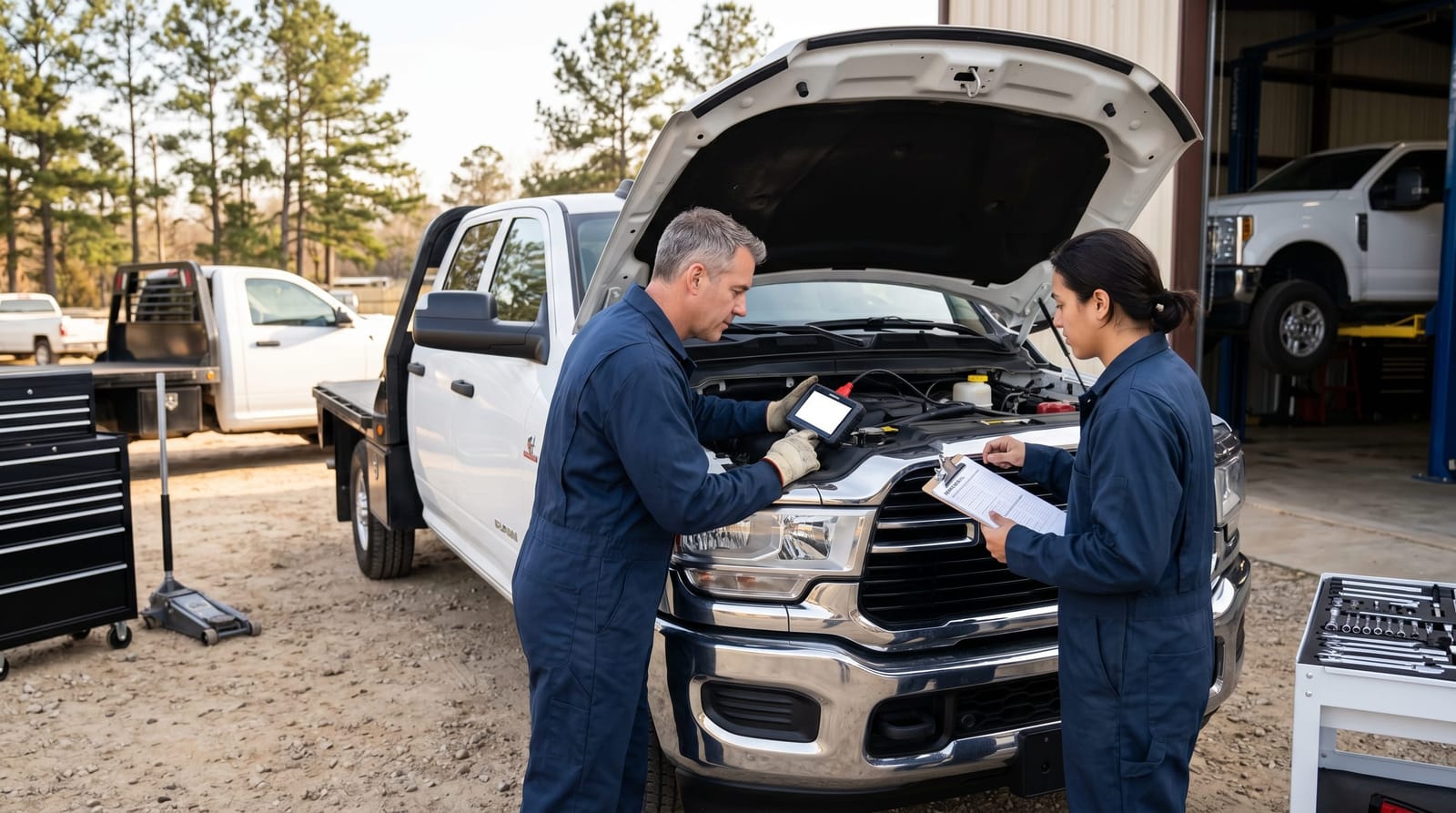
Why Does My Truck Shake When Towing? Common Causes in Kaufman County
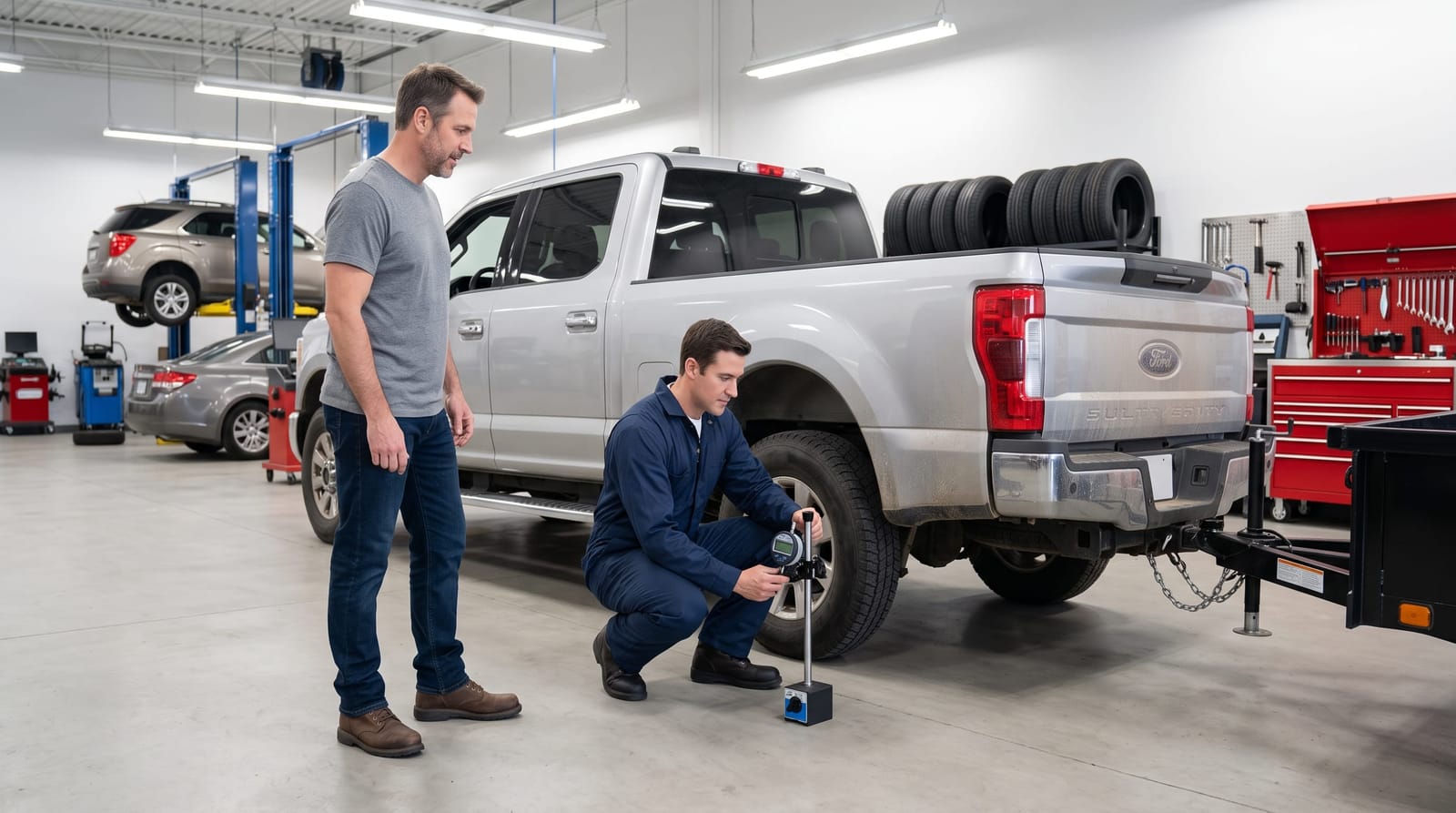
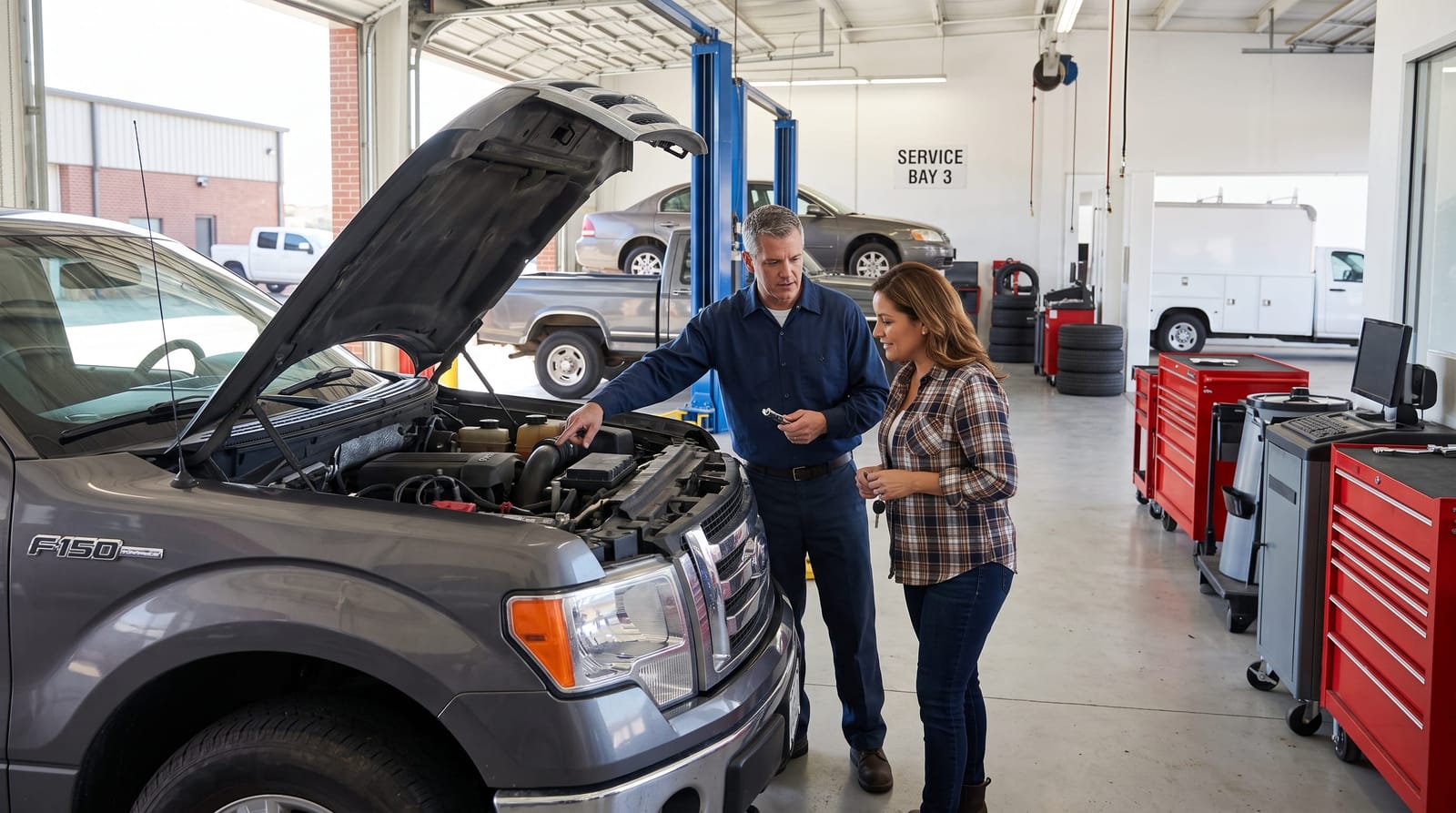
If your truck shakes when towing in Kaufman County, you already know how unsettling that feeling can be, especially when you're hauling equipment down FM 429 or pulling a trailer through Canton on trade day. A little vibration might seem minor, but it's your truck's way of telling you something needs attention. This post breaks down the most common reasons trucks shake or wobble under towing load, which issues need prompt attention, and which ones can wait a bit while you plan your next service visit.
1. Unbalanced or Worn Tires (Yours and the Trailer's)
Tire imbalance is one of the leading causes of vibration when towing, and it's easy to overlook because the problem might not be coming from your truck's tires at all: it could be the trailer wheels.
When you add the weight of a trailer to your truck, any existing imbalance in either set of tires gets amplified. What felt like a minor shimmy at 60 mph without a load can turn into a noticeable shake at 45 mph when you're towing. Studies from tire safety organizations indicate that tires lose approximately 1 PSI of pressure per month under normal conditions, and underinflation accelerates uneven wear: a key contributor to vibration under load.
Here's what to check:
- Truck tires: Have them balanced and inspected for uneven wear patterns, which can indicate alignment issues
- Trailer tires: Many owners check their truck tires regularly but ignore trailer tires for months at a time: trailer tires should be balanced, properly inflated, and checked for sidewall cracking
- Tire age: Trailer tires older than 5-6 years should be replaced even if they look okay visually, as rubber degrades internally
This is one of the more affordable fixes on this list and often resolves the shake entirely. A basic wheel balance service at a trusted shop is a logical first step before exploring more involved repairs.
2. Worn Ball Joints or Steering Components
Ball joints connect your truck's steering knuckles to the control arms, allowing the front wheels to move and steer properly. When they wear out, there's play in the front suspension that becomes very noticeable under towing conditions.
Under a normal load, worn ball joints might only produce a subtle clunking sound over bumps. But when you add 5,000 to 10,000 pounds of trailer weight behind the truck, that looseness in the front end can translate into a distinct wobble or shimmy: particularly at highway speeds.
Signs that ball joints may be contributing to your shake:
- A clunking or knocking sound when going over speed bumps or uneven pavement
- The shake feels like it's coming from the front of the truck, not the rear
- Uneven tire wear on the front tires
- The steering feels vague or wanders slightly at highway speeds
Ball joint wear is something a technician can identify with a visual inspection and by checking for play in the joint. This is not a repair to defer too long: worn ball joints affect your ability to steer and control the truck, especially when you're towing a heavy load. Most trucks in regular towing service should have ball joints inspected around every 50,000 miles, though mileage varies by vehicle and usage.
3. Driveshaft Issues and U-Joints
Your truck's driveshaft is responsible for transferring power from the transmission to the rear axle (and front axle on 4WD trucks). U-joints, the small cross-shaped components that connect driveshaft sections, can wear out over time, especially on trucks used for frequent towing or off-road driving in rural areas around Crandall or Terrell.
A failing U-joint typically produces a vibration that feels like it comes from underneath the truck and increases with vehicle speed. Under towing load, this vibration becomes more pronounced because the driveshaft is working harder and at slightly different angles depending on the hitch height and suspension compression.
U-joint replacement is a moderately involved repair but generally not an emergency unless the joint is severely worn. However, a completely failed U-joint can separate and cause serious damage to the undercarriage, so it's worth addressing when identified. Many mechanics recommend inspecting U-joints every 60,000 miles on trucks used for regular towing, and more frequently if you frequently tow near maximum capacity.
4. Loose or Worn Brake Components
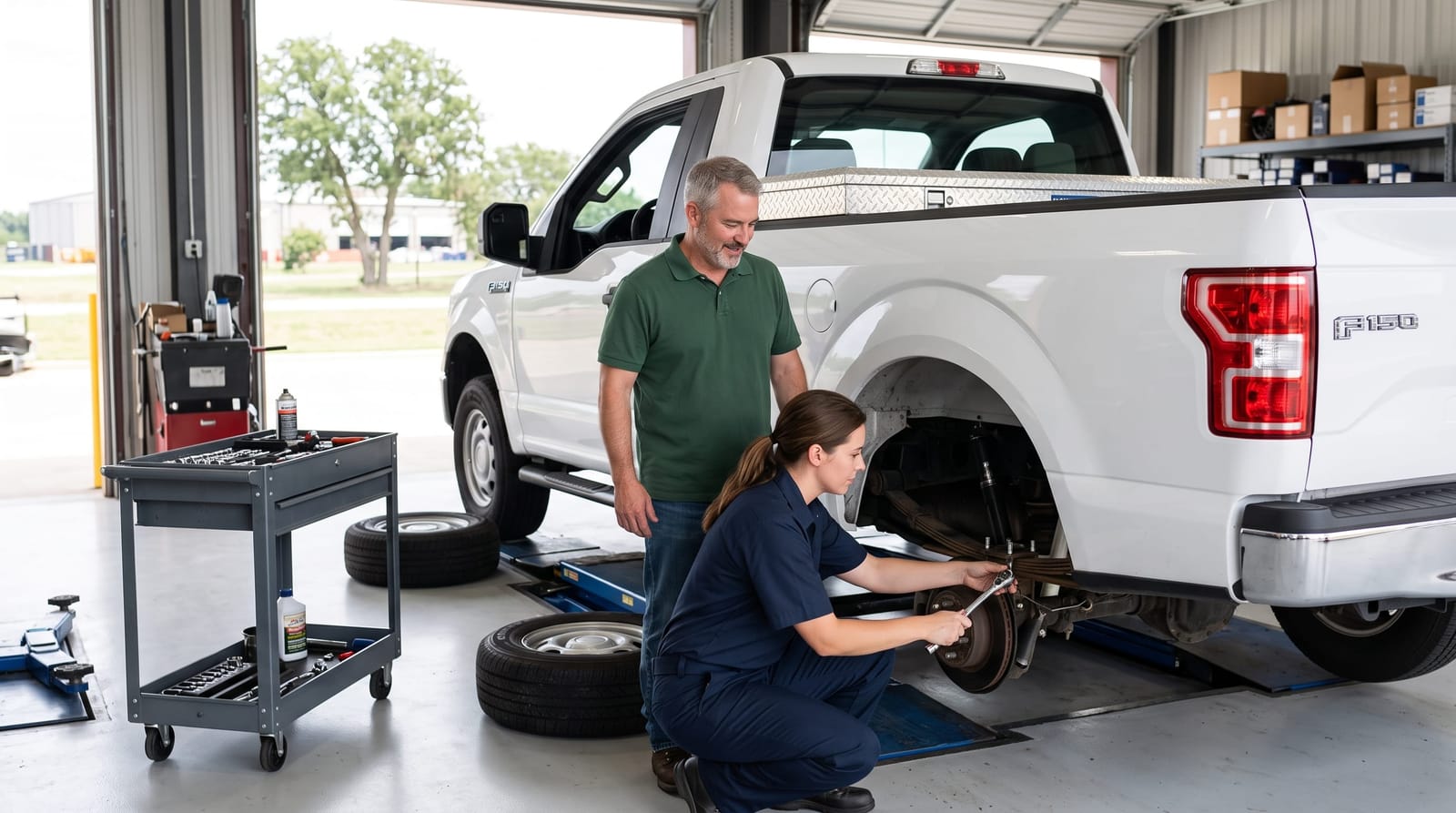
Brake-related vibration is another possibility that many truck owners don't immediately consider when troubleshooting a towing shake. Warped brake rotors are a common culprit, when rotors develop uneven surfaces from heat cycling (which towing accelerates significantly), they can cause a pulsing or shaking sensation that's felt through the steering wheel or brake pedal.
Additionally, loose brake caliper hardware or worn brake pads can cause intermittent vibration under braking or even during steady-speed towing if the components are moving when they shouldn't be.
Things to note with brake-related shaking:
- The shake is more noticeable when braking, not just at steady speed
- You may feel pulsing through the brake pedal when slowing down
- Towing increases heat buildup in brakes: descending grades puts particular stress on rotors and pads
If your truck shakes specifically when applying the brakes while towing, have the brakes inspected sooner rather than later. Brake performance under load is critical for safety, and this is one of those issues where acting promptly makes sense. Understanding truck towing service interval East Texas recommendations can also help you time brake inspections alongside your regular towing maintenance schedule.
5. Trailer Hitch and Load Distribution Issues
Sometimes the shake isn't coming from worn parts at all: it's a setup problem. An improperly loaded trailer or a hitch that isn't properly matched to your truck's towing configuration can cause sway and vibration that feels like a mechanical issue.
Common setup-related causes include:
- Tongue weight imbalance: Experts generally recommend that tongue weight (the downward force the trailer puts on the hitch) should be approximately 10-15% of total trailer weight. Too little tongue weight causes trailer sway; too much overloads the rear axle
- Missing or improperly adjusted sway control: For trailers over 5,000 lbs., a sway control bar is often recommended to dampen lateral movement
- Loose hitch ball or receiver: Check that all hitch hardware is properly torqued before every tow: rattles and shaking can originate from a loose connection
Before assuming you have a major mechanical problem, it's worth reviewing how the trailer is loaded and whether the hitch setup is appropriate for your trailer's weight and configuration.
Frequently Asked Questions
Is it safe to keep towing if my truck is shaking?
It depends on the cause. If the shake is mild and related to something like tire balance or trailer loading, you may be able to address it before your next trip. But if the vibration is severe, getting worse, or accompanied by sounds like clunking or grinding, it's better to have the truck inspected before towing again. When in doubt, getting a professional opinion before your next haul is the safer approach.
How do I know if the shake is coming from the truck or the trailer?
Try driving the truck without the trailer attached. If the shake goes away completely, the issue is likely trailer-related (tire balance, loading, or sway). If the vibration persists without the trailer, or is still present but less severe, the truck itself likely has a component that needs attention.
Can wheel alignment cause a truck to shake when towing?
Yes. Poor alignment doesn't always cause obvious pulling or uneven tire wear right away: sometimes the first noticeable symptom is vibration or handling instability under load. Trucks that regularly tow heavy trailers, especially on rough rural roads in Kaufman County, benefit from alignment checks at least once a year.
How often should I have my truck inspected if I tow frequently?
Trucks used for regular towing generally need more frequent service intervals than light-duty daily drivers. Ball joints, U-joints, brakes, tires, and hitch components all experience more stress under load. A good rule of thumb is to have a towing-focused inspection done at least annually, or every 10,000-15,000 miles if you're putting significant towing miles on the truck.
Bringing It Together
A truck that shakes when towing in Kaufman County isn't something to ignore, but it's also not automatically a cause for alarm. Most of the time, the culprit is something identifiable: tire balance, worn suspension components, driveshaft wear, or a simple setup issue with the trailer. Knowing which category your shake falls into helps you make a smarter decision about timing and urgency. If you're not sure where to start, a visual inspection by a technician familiar with working trucks is the most practical first step, and usually the quickest way to get back on the road with confidence.