Will a Lift Kit Void Your Warranty? What Kaufman County Truck Owners Need to Know
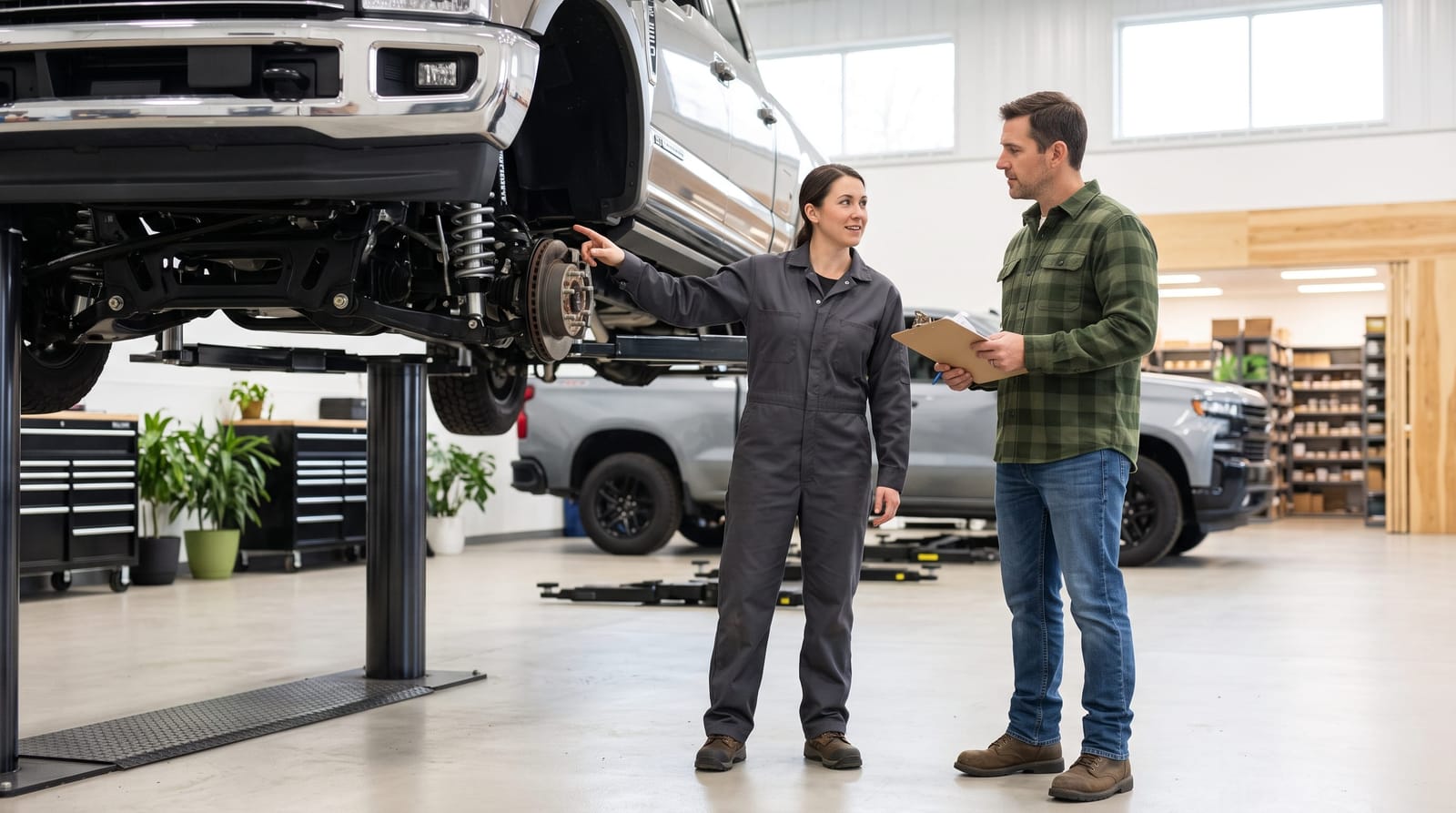
One of the most common questions truck owners ask before modifying their vehicle is a simple one: Will this void my warranty? It's a fair concern. A new truck represents a significant investment, and nobody wants to lose factory coverage over a lift kit. If you've been researching lift kit warranty implications, you've probably found conflicting answers online: some sources say yes, some say no, and most leave you more confused than when you started.
The good news is that the situation is more straightforward than it might seem. A lift kit does not automatically void your entire vehicle warranty. Federal consumer protection guidelines prevent that from happening outright. However, there are real situations where specific repairs could be denied if a dealer determines the modification caused the problem. Understanding where that line sits, and how to protect yourself, is exactly what this guide covers.
The Basic Rule: A Lift Kit Does Not Wipe Out Your Entire Warranty
Many truck owners assume that the moment an aftermarket part touches their vehicle, all factory warranty coverage disappears. That's not accurate. The Magnuson-Moss Warranty Act is a federal consumer protection law, not legal advice, but a widely recognized framework, that generally prevents a manufacturer or dealer from voiding your entire warranty simply because you installed an aftermarket part. For general educational purposes, this means the burden typically falls on the manufacturer to show that a specific aftermarket modification caused a specific failure before denying a specific repair.
Think about it this way: if you install a lift kit and then your air conditioning stops working, there's no logical connection between those two things. A dealership generally cannot deny your A/C warranty claim just because your truck sits four inches higher than stock. The lift kit and the A/C system are unrelated.
That said, this framework is not a blank check. There are real situations where lift kit warranty implications do come into play, and those situations deserve careful attention. We always encourage truck owners to consult with both their dealership and a qualified professional to understand how modifications may affect their specific coverage before making any decisions.
Where Warranty Denials Can Actually Happen
The warranty question gets more complicated when the modification and the repair are related. Here's where lift kit warranty implications become very real for Kaufman County truck owners.
Suspension and Steering Components
Drivetrain Components
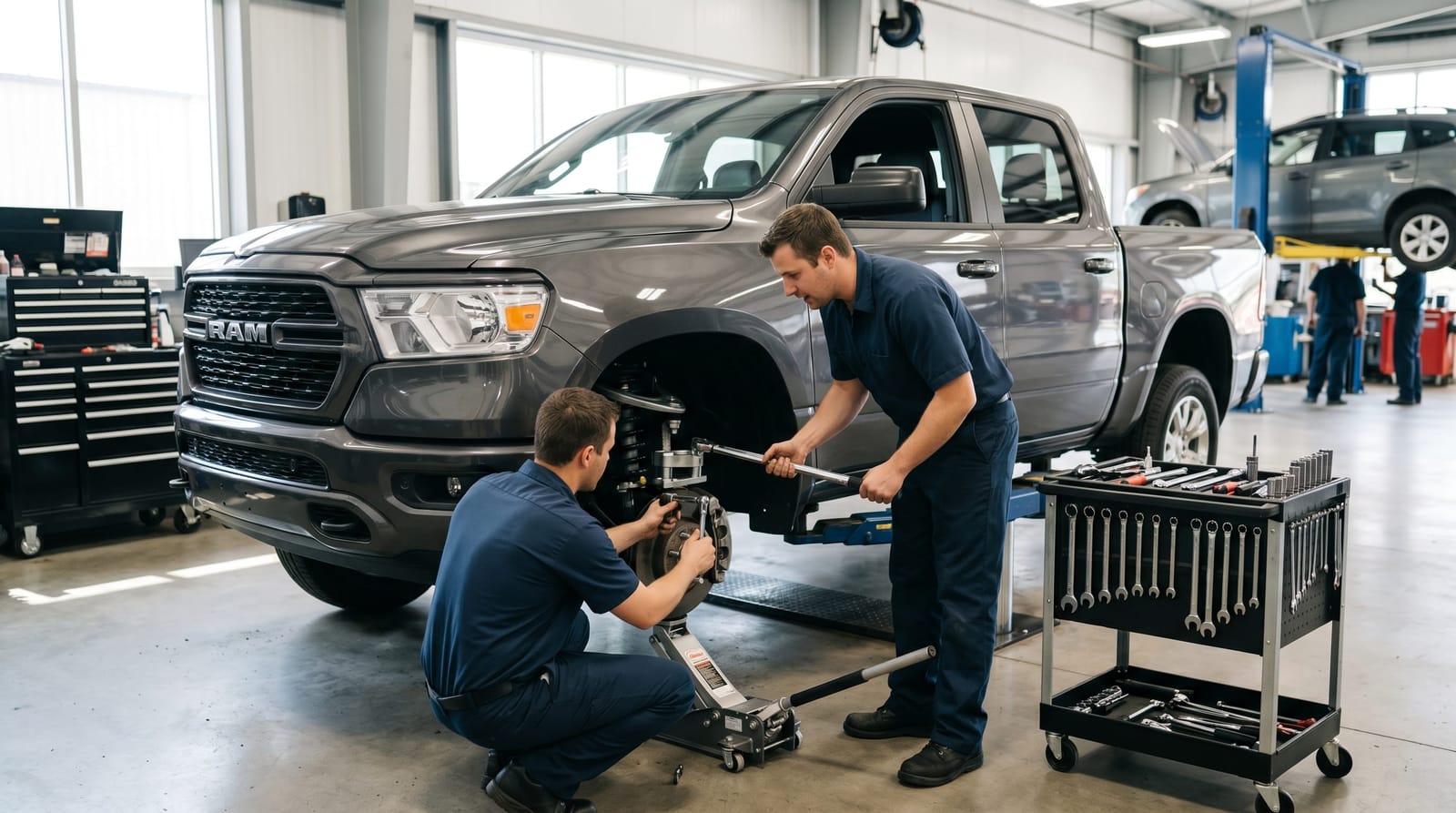
Larger tires paired with a lift kit affect driveshaft angles and can put strain on U-joints and differentials. If you experience a drivetrain failure after lifting your truck and adding 35-inch tires, a dealer may point to the modification as a contributing factor. Studies on aftermarket lift kits suggest that improper installation is involved in a significant percentage of post-lift mechanical complaints: making the quality of your installation one of the most important factors in protecting your coverage.
Wheel Bearings and Axle Components
Heavier wheels and tires, which often accompany a lift, increase load on wheel bearings. If those bearings fail and you've upsized significantly, expect questions about the modification. Approximately 60% of lift-related warranty disputes involve suspension, steering, or drivetrain components: the exact areas most directly affected by lifting.
The pattern is clear: the closer the failed part is to what the lift kit changed, the more likely a warranty dispute becomes. This is why the quality of parts used and the skill of the installer matter so much when thinking through lift kit warranty implications from the start.
How Quality Parts and Professional Installation Protect You
Here's a practical truth that doesn't get discussed enough: most warranty problems that arise after a lift kit installation trace back to one of two things, low-quality parts or poor installation. Choosing the right installer dramatically reduces the risk of both.
Quality Parts Matter More Than People Realize
Reputable lift kit brands engineer their kits to work within reasonable factory tolerances. A quality 3-inch leveling kit, for example, is designed to maintain proper suspension geometry so that factory components aren't placed under undue stress. A cheap kit from an unknown manufacturer may not account for those tolerances at all, increasing stress on ball joints, CV boots, and alignment geometry right out of the box.
When roughly 1 in 4 vehicle owners who install aftermarket parts experience some form of warranty-related question at their dealership, the difference between a quality kit and a budget option can determine whether that conversation goes smoothly or turns into a dispute.
Professional Installation Leaves a Paper Trail
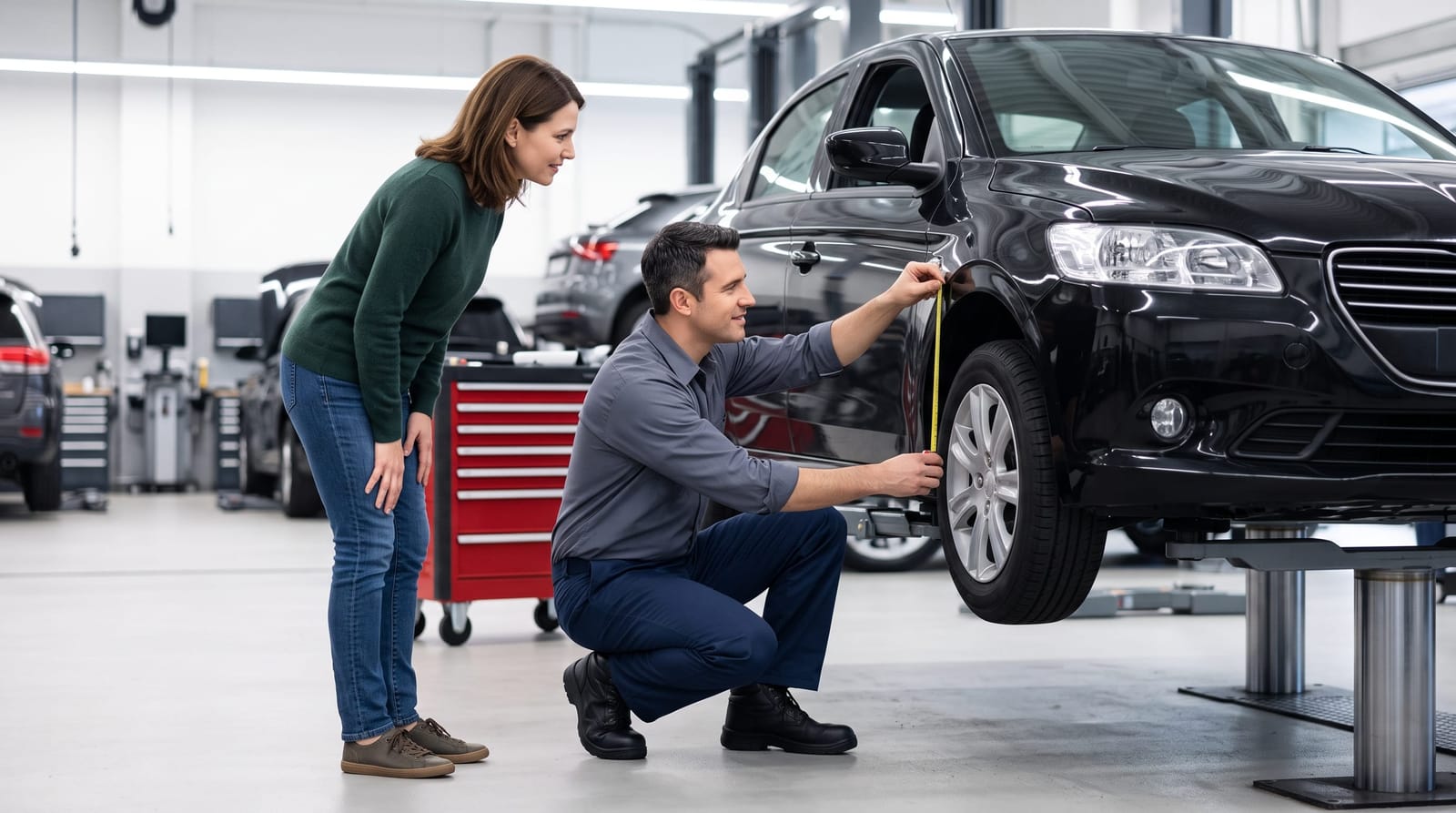
A reputable installer provides documentation. That documentation matters. If you ever need to make a warranty claim, being able to show what was installed, who installed it, and when it was installed gives you a much stronger position. It demonstrates that the work was done properly and that parts of known quality were used: both of which matter if a dealership questions your modification.
At Gregg Automotive, we understand these concerns because we work with truck owners in Kaufman County who are thinking through exactly these decisions. We can discuss the lift kit warranty implications of different options before any work begins, so you're not caught off guard later.
What to Do Before and After Your Lift Installation
Being proactive goes a long way. Here are practical steps Kaufman County truck owners can take to protect themselves throughout the process.
Before the Installation
- Review your current warranty documentation. Know what's covered and for how long. Some powertrain warranties run 5 years or 60,000 miles; others extend to 100,000 miles. The more coverage you have remaining, the more important these decisions become.
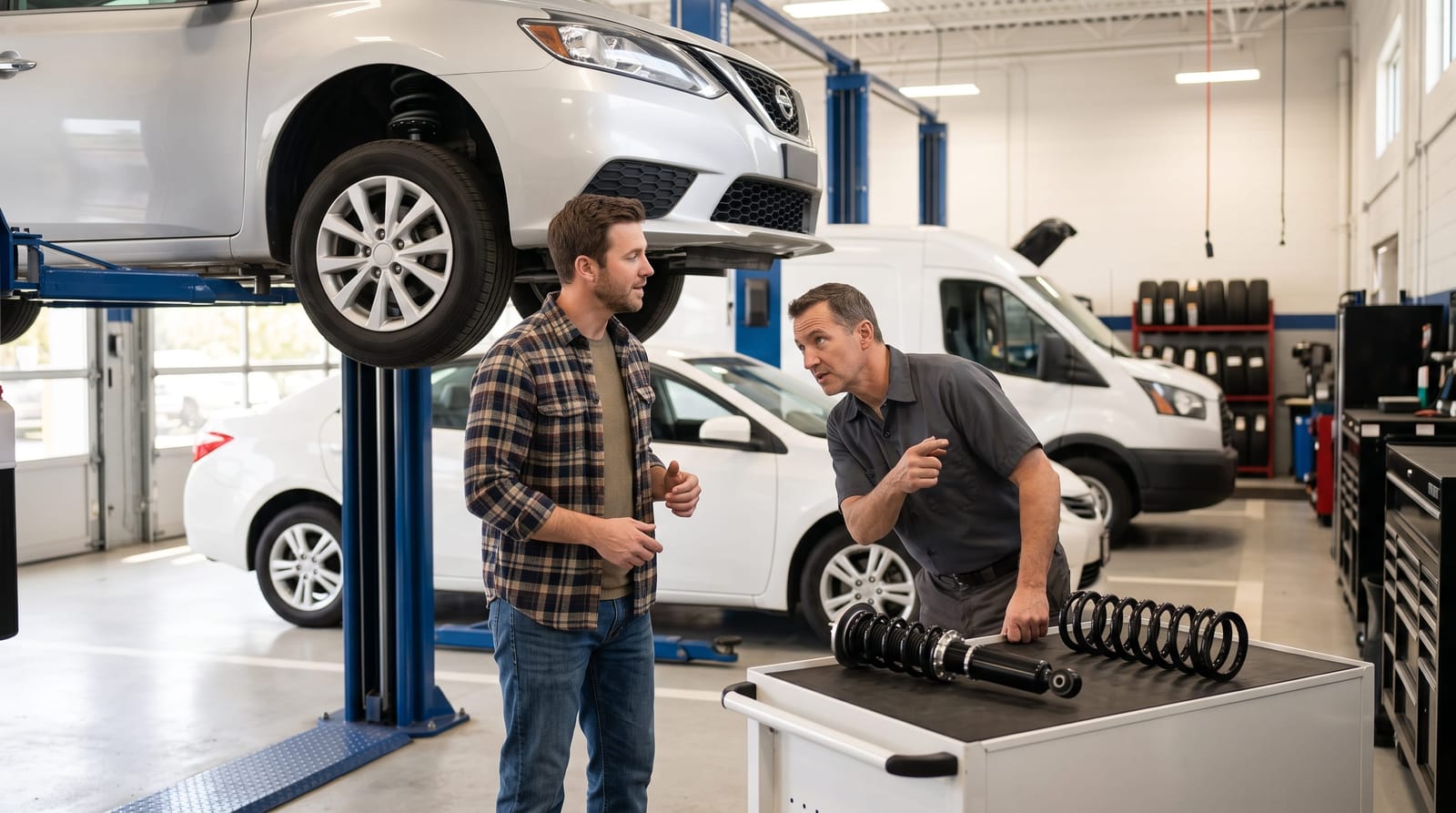
- Talk to your dealership first. Ask specifically how the lift kit you're considering might affect coverage for components most likely to be impacted. Get their answer in writing if possible.
- Choose a kit appropriate for your truck. Bigger isn't always better. A lift height that matches your truck's design limits puts far less stress on factory components than pushing to the edge of what's physically possible. Our guide on truck lift kit size selection walks through how to match lift height to your actual needs.
- Select a qualified installer. Ask about their experience with your specific make and model, the brands they work with, and whether they provide documentation of the work performed.
After the Installation
- Keep all receipts and records. This includes the parts invoice, the installation invoice, and any alignment or calibration services performed afterward.
- Get an alignment done immediately. A proper alignment after installation isn't optional: it protects your tires, your steering components, and frankly your argument that the lift was installed correctly.
- Schedule a follow-up inspection at 500 to 1,000 miles. A post-installation check confirms that everything is torqued correctly and settling as expected. Catching a small issue at 500 miles is far better than discovering it at 10,000.
- Monitor your truck's behavior. Any new vibrations, pulling, or unusual sounds after a lift should be diagnosed promptly, before they become bigger issues or complicate warranty questions.
Dealerships vs. Independent Shops: Understanding the Difference
Many truck owners assume they need to go back to the dealership for all service to maintain their warranty. That's a common misunderstanding. Generally speaking, independent repair shops can perform routine maintenance and repairs without voiding your factory warranty, provided the work is done correctly and documented properly. The key is keeping records: something a quality independent shop will do as a matter of standard practice.
There are real advantages to working with an independent shop that specializes in truck modifications. Dealership service departments are designed around factory configurations. Most are not set up to evaluate, install, or advise on aftermarket lift kits in depth. An independent shop that does this work regularly understands the lift kit warranty implications of different kit types, installation approaches, and component combinations, because they see the real-world results every day.
Gregg Automotive works with truck owners in Kaufman County who want honest, knowledgeable guidance on modifications, not just the installation itself, but the full picture of what a lift will mean for their truck long-term. That includes talking through warranty questions upfront, so there are no surprises after the work is done.
If you're also considering suspension modifications that lower your vehicle rather than raise it, the warranty considerations are similar. Our breakdown of lowering springs vs coilovers comparison covers how those modifications interact with factory coverage as well. And for drivers thinking about how far down is too far, our piece on vehicle lowering limits safety addresses both safety and Texas-specific considerations.
The Bottom Line on Lift Kit Warranty Implications
Lift kit warranty implications are real, but they're manageable. The risk isn't in lifting your truck: it's in lifting it poorly. A poorly chosen kit, an improper installation, or a lack of documentation creates the conditions where warranty disputes become complicated. A quality kit, a skilled installer, and a complete paper trail put you in the strongest possible position.
No modification is entirely without tradeoffs, and the best thing any truck owner can do is go into the process informed. Understand what your warranty covers, know where the modification might intersect with that coverage, and choose partners, both in parts and in installation, who take that responsibility seriously.
Ready to Talk Through Your Options?
If you're considering a lift kit and want to understand exactly how it might affect your vehicle's warranty coverage, Gregg Automotive is here to help. We serve truck owners throughout Kaufman County with straightforward answers, quality parts, and installation work backed by documentation. There's no pressure, just honest information to help you make the right call for your truck. Contact us today to start the conversation.