Do I Need an Alignment After Installing a Lift Kit?
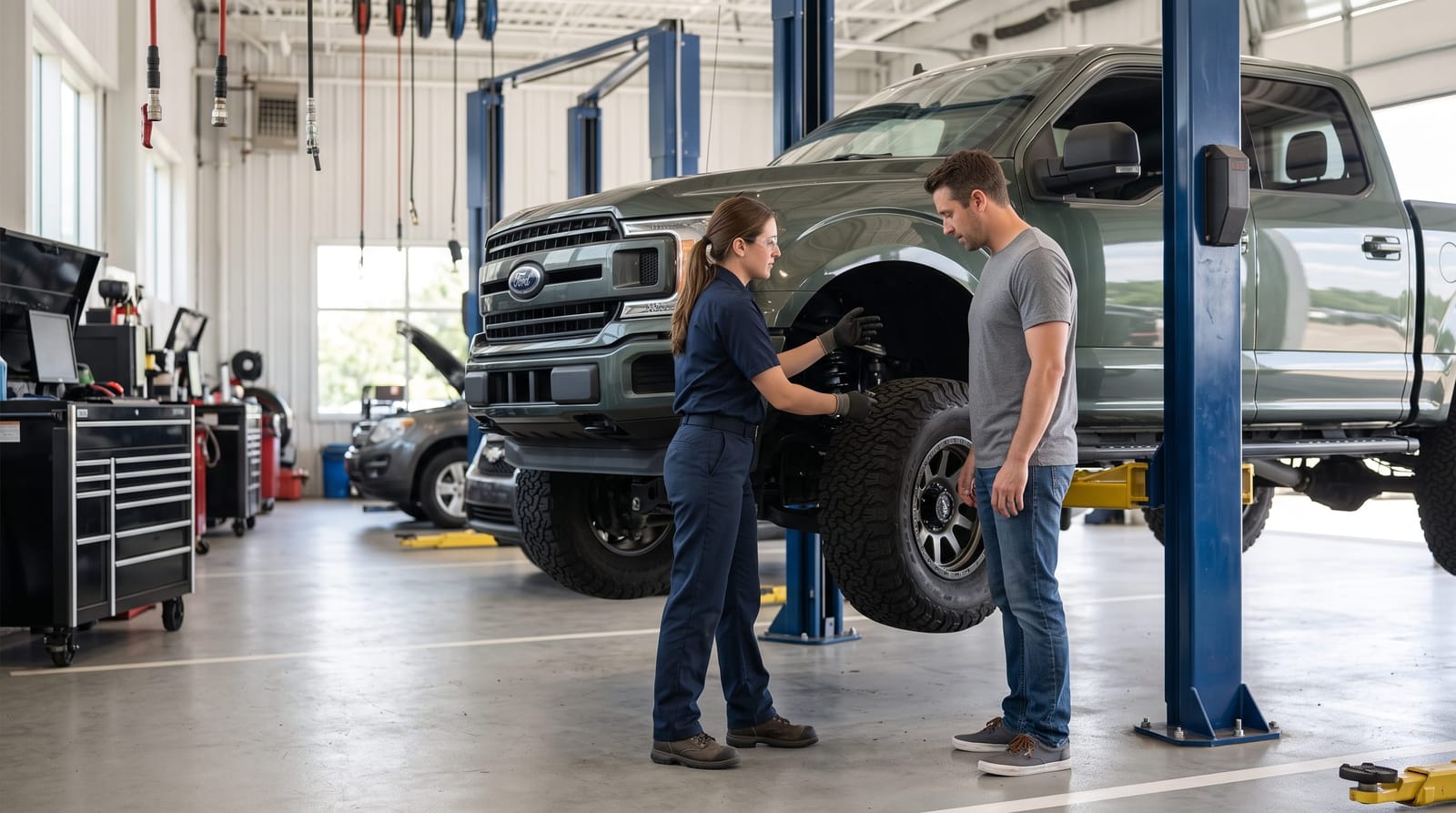
If you've just had a lift kit installed, or you're getting ready to, this is one of the most common questions that comes up. The short answer is yes, you do need a wheel alignment after installing a lift kit. But understanding why makes a big difference in how seriously you take that next step. This guide walks through what changes when your suspension height changes, what happens if alignment gets skipped, and what you can expect during the process. It's an important piece of the broader lift kit decision that many first-time buyers overlook.
Why a Lift Kit Changes Your Alignment in the First Place
Your vehicle's factory alignment settings are calibrated for the suspension geometry that came standard from the manufacturer. Every angle, from the tilt of the wheel to how it makes contact with the road, is set to work together within a specific ride height range.
When a lift kit raises your vehicle, even just 2 inches, those angles shift. The suspension components move into new positions they weren't originally designed to occupy at that height. Specifically, three alignment measurements are most affected:
- Camber: The inward or outward tilt of the tire when viewed from the front. Lifting a vehicle often pushes the tops of the tires outward, creating what's called positive camber. Even a small camber change of 0.5 degrees can cause uneven tire wear.
- Caster: The angle of the steering axis from front to back. Higher lifts tend to reduce caster, which can make the steering feel less stable and reduce the natural tendency of your wheel to return to center.
- Toe: Whether your tires point slightly inward or outward. This is the alignment setting most directly linked to tire wear. Even minor toe misalignment, as little as 1/16 of an inch off, can wear out a set of tires significantly faster than normal.
These aren't subtle issues. They're measurable, predictable changes that happen every time suspension height is altered. That's why alignment after a lift kit installation isn't optional: it's a required part of completing the job correctly.
What Happens If You Skip the Alignment?
Skipping alignment after a lift kit is one of the more common mistakes truck owners make, usually because they feel like the vehicle "drives fine" right after installation. The problem is that the consequences build gradually and aren't always obvious until real damage is done.
Here's what typically happens when alignment is skipped after a suspension modification:
- Accelerated tire wear: Tires can wear unevenly and wear out 30-50% faster than normal when alignment is off. That's a significant cost in replacement tires that could have been avoided.
- Pulling to one side: If caster or toe is unequal from side to side, the vehicle will drift or pull when you let go of the steering wheel. This makes driving more fatiguing and less predictable.
- Steering feedback problems: Misaligned caster angles after a larger lift can cause steering that feels vague, wandering, or slow to respond: none of which you want on a truck you rely on daily.
- Stress on other components: When tires aren't rolling straight, they're dragging slightly at the wrong angle. Over time, this puts unnecessary wear on wheel bearings, tie rods, and other steering components.
None of these problems announce themselves immediately. They show up gradually: first in how the truck feels, then in your tire tread, then in parts that start wearing out sooner than expected.
How Lift Height Affects Alignment Needs
Not every lift kit creates the same alignment demands. A leveling kit that adds an inch or inch and a half to the front may require only minor toe adjustments. A 4-inch or 6-inch lift involves far more significant geometry changes and often requires additional hardware to bring things back into spec.
Here's a general breakdown of what to expect at different lift levels:
- 1-2 inch lifts (leveling kits): These typically require a standard alignment adjustment. Most vehicles can be brought back into factory spec without additional parts. Alignment time is usually similar to a standard four-wheel alignment appointment.
- 3-4 inch lifts: At this height, caster correction may be needed. Some trucks require adjustable upper control arms or alignment cam bolts to achieve proper caster angles. A standard alignment machine can measure the problem, but the fix may involve additional components.
- 5-6 inch lifts and beyond: These larger lifts often require extended or adjustable control arms and may need specialty alignment procedures. Getting alignment specifications dialed in at this level is more involved, and it's important that the shop doing the alignment has experience with lifted vehicles specifically.
The alignment needed after a lift kit scales with the lift size. Bigger lift, bigger adjustments: it's that straightforward.
What to Expect During an Alignment After a Lift
If you've had a standard alignment before, the process after a lift kit is similar in some ways but has a few extra considerations.
The technician will put the vehicle on an alignment rack and measure the current camber, caster, and toe readings against the specifications for your make, model, and lift height. If you've installed an aftermarket lift kit, the target specifications may differ from factory settings: the goal is to reach the values recommended for the lift configuration, not always the original OEM numbers.
For most basic lifts, the alignment can be completed in a single appointment. If caster correction components were included in your lift kit, the technician will adjust those as well. It's a good idea to ask your shop what specifications they're aligning to, so you understand what "correct" looks like for your specific setup.
One helpful note: if you're still in the planning stage and wondering how the overall timeline works, our post on lift kit installation time estimate covers how long the full installation process typically takes, including what to build into your schedule for follow-up steps like alignment.
Frequently Asked Questions
Can I wait a few weeks to get the alignment done after a lift?
It's best not to wait. Driving with a misaligned suspension, even for a short period, starts wearing your tires unevenly right away. Uneven tire wear that develops before alignment is corrected doesn't reverse itself. Getting alignment done promptly after lift installation protects the tires and steering components you've already invested in.
Will the factory alignment specs still work after a lift?
Not always. For smaller lifts, factory specs may still be achievable and appropriate. For larger lifts, especially those over 3 inches, the geometry changes enough that the shop will typically target specs specific to your lift height and hardware rather than the original OEM numbers.
Does alignment need to be redone if I change tire sizes along with the lift?
Yes. Adding larger tires in combination with a lift kit compounds the geometry changes and makes proper alignment even more important. Tire diameter, wheel offset, and backspacing all interact with alignment settings. Any combination of suspension and tire changes should be followed by a fresh alignment.
How often should I check alignment after having a lift installed?
A good general practice is to have alignment checked annually or any time you notice the vehicle pulling to one side, uneven tire wear, or steering that feels off. After a major road impact, like hitting a large pothole, having alignment checked is also a smart idea, especially on a lifted vehicle where the suspension is working at modified angles.
The Bottom Line
The answer to "do I need an alignment after installing a lift kit?" is a clear yes: every time, regardless of lift size. Alignment is what makes the lift work correctly, protects your tires, and keeps your steering feeling the way it should. It's not an add-on or an upsell; it's a necessary part of completing the modification properly. At Gregg Automotive, our approach to lift kit work includes making sure the vehicle leaves in a condition that's safe and properly set up, and that includes alignment as part of the full picture. If you have questions about your specific truck or what to expect, we're happy to walk you through it.