How Low Can I Drop My Car Safely?
Lowering your vehicle is one of the most popular ways to personalize its look and feel. A sleeker, closer-to-the-ground stance can turn heads and even improve how your car handles on smooth roads. But there's a real question worth answering before you commit: how low is too low? Understanding vehicle lowering limits safety is essential before making any changes to your suspension. This post walks through the practical side of dropping your car: what's reasonable, what's risky, and what you need to think about before moving forward.
Why People Lower Their Vehicles (And Why It Actually Makes Sense)
There's more to lowering a vehicle than appearance, though that's certainly a big part of it. When a vehicle sits closer to the ground, its center of gravity drops, and that has real effects on how it drives. A lower center of gravity reduces body roll when turning, which means the vehicle feels more stable and planted on the road. It can also improve steering responsiveness because the suspension geometry changes in ways that sharpen handling.
That said, most everyday drivers lowering their vehicles aren't chasing lap times. They want their truck, SUV, or car to look intentional, not factory-stock. And that's a completely valid reason to explore your options. The key is making sure the drop you choose fits your vehicle, your driving environment, and your lifestyle.
Common reasons drivers lower their vehicles include:
- Improving the vehicle's visual appearance and stance
- Reducing body roll and improving cornering stability
- Better aerodynamics at highway speeds
- A more responsive, connected feel when driving
- Matching a specific style or aesthetic for shows or everyday driving
Understanding Vehicle Lowering Limits and Safety Thresholds
This is where vehicle lowering limits safety becomes the central conversation. There's no single number that applies to every vehicle: a compact sedan and a full-size pickup truck have very different starting points and very different tolerances. But there are general principles that apply across the board.
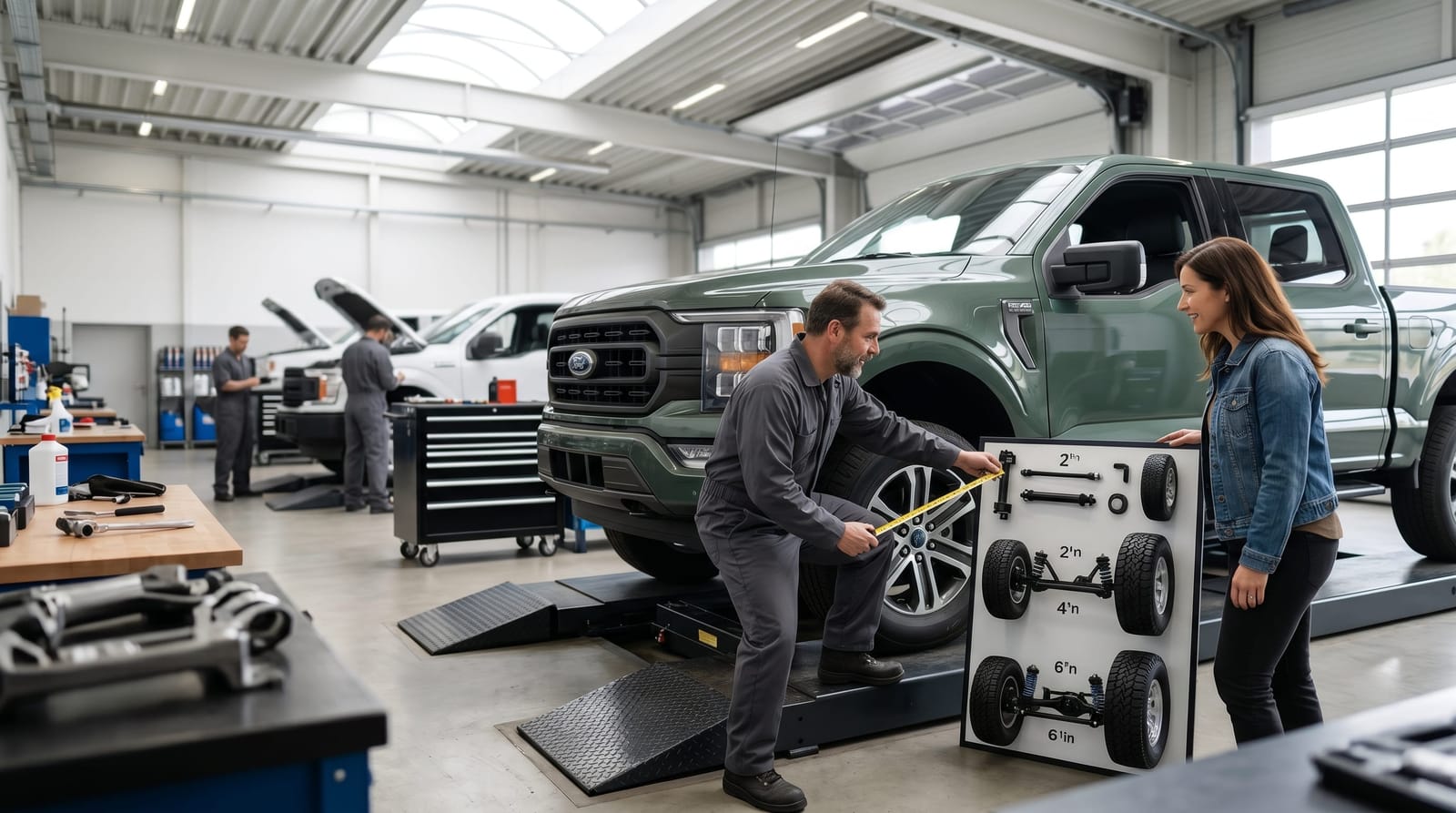
Most suspension professionals consider a drop of one to two inches to be the practical sweet spot for daily drivers. Within that range, you get the visual and handling benefits without creating clearance problems. A two to three inch drop is achievable on many vehicles but starts to require more careful planning around suspension geometry and component selection. Anything beyond three inches typically moves into territory where you need purpose-built components, professional alignment work, and a clear understanding of what your vehicle will and won't be able to handle afterward.
Here are the key thresholds to keep in mind:
- 1-2 inches: Generally safe for most vehicles; minimal impact on daily drivability
- 2-3 inches: Achievable but requires careful parts selection and professional installation
- 3+ inches: Significant modifications needed; best suited for vehicles with specific builds in mind
Ground clearance is the non-negotiable factor. Most vehicles leave the factory with somewhere between five and eight inches of clearance underneath. Drop too far and you'll be scraping driveways, parking garage ramps, speed bumps, and uneven road transitions, not occasionally, but regularly.
Ground Clearance: The Number That Matters Most
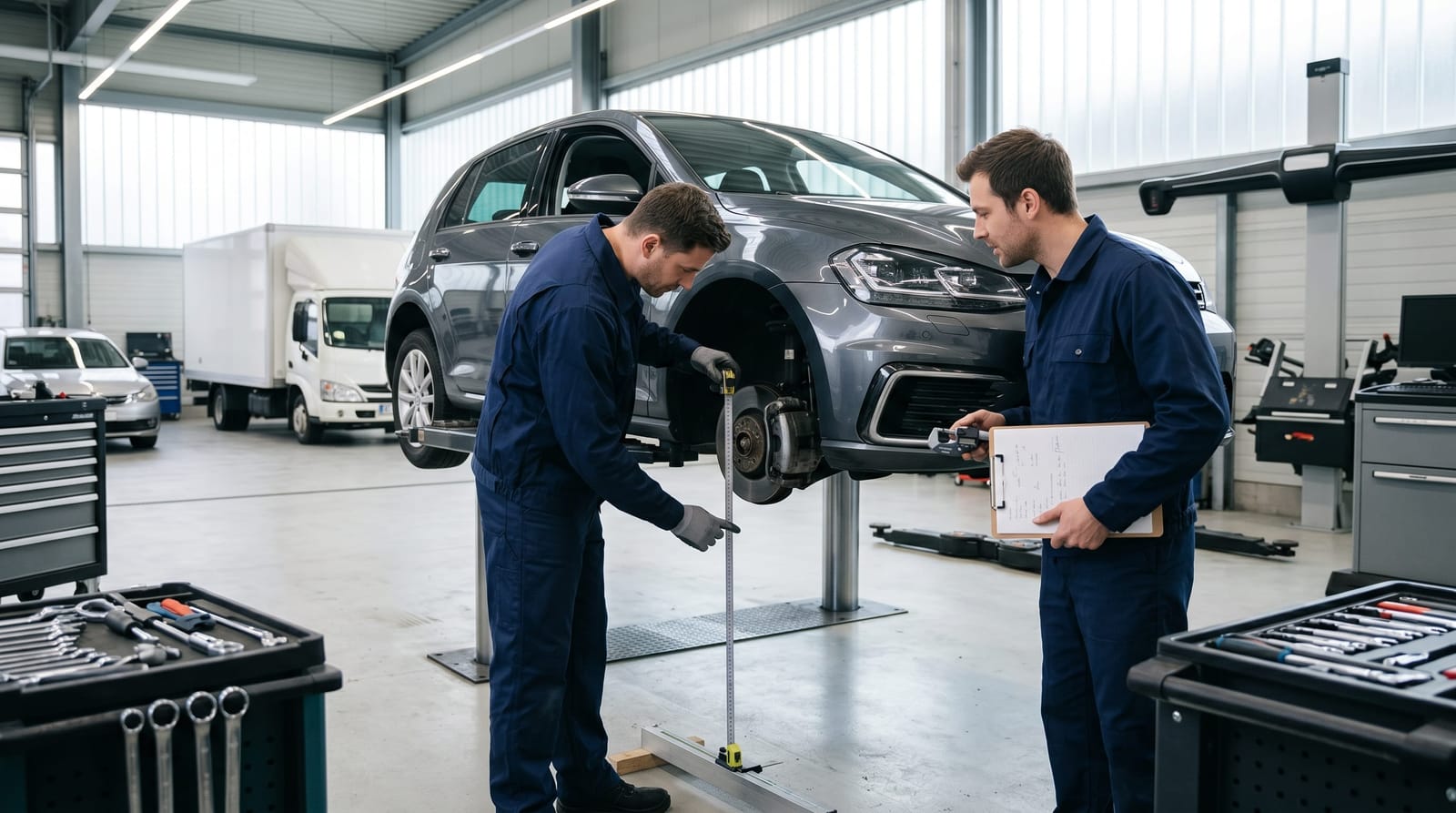
Before deciding on a drop amount, it helps to know your vehicle's current ground clearance. You can find this in your owner's manual or look it up by year, make, and model. From there, think about the roads you drive daily. Do you have a steep driveway? Do you frequently navigate roads with rough transitions or uneven pavement? These aren't reasons to skip lowering altogether: they're just reasons to be thoughtful about how much you drop.
A general guideline that many technicians follow is maintaining at least four inches of ground clearance after the drop. Below that, everyday driving starts to become genuinely inconvenient and potentially damaging to components like the oil pan, exhaust, and suspension parts that hang lower than the frame.
Things that can cause clearance problems even with a modest drop:
- Steep residential driveways with sharp angle changes
- Speed bumps in parking lots and neighborhoods
- Parking garage entry ramps
- Rutted or uneven roads common in rural and suburban areas
- Loading dock areas and curb transitions
If you're in an area with roads that aren't perfectly smooth, and most of us are, factoring in real-world clearance is just as important as picking the drop amount itself.
What Happens to Your Tires, Alignment, and Ride Quality
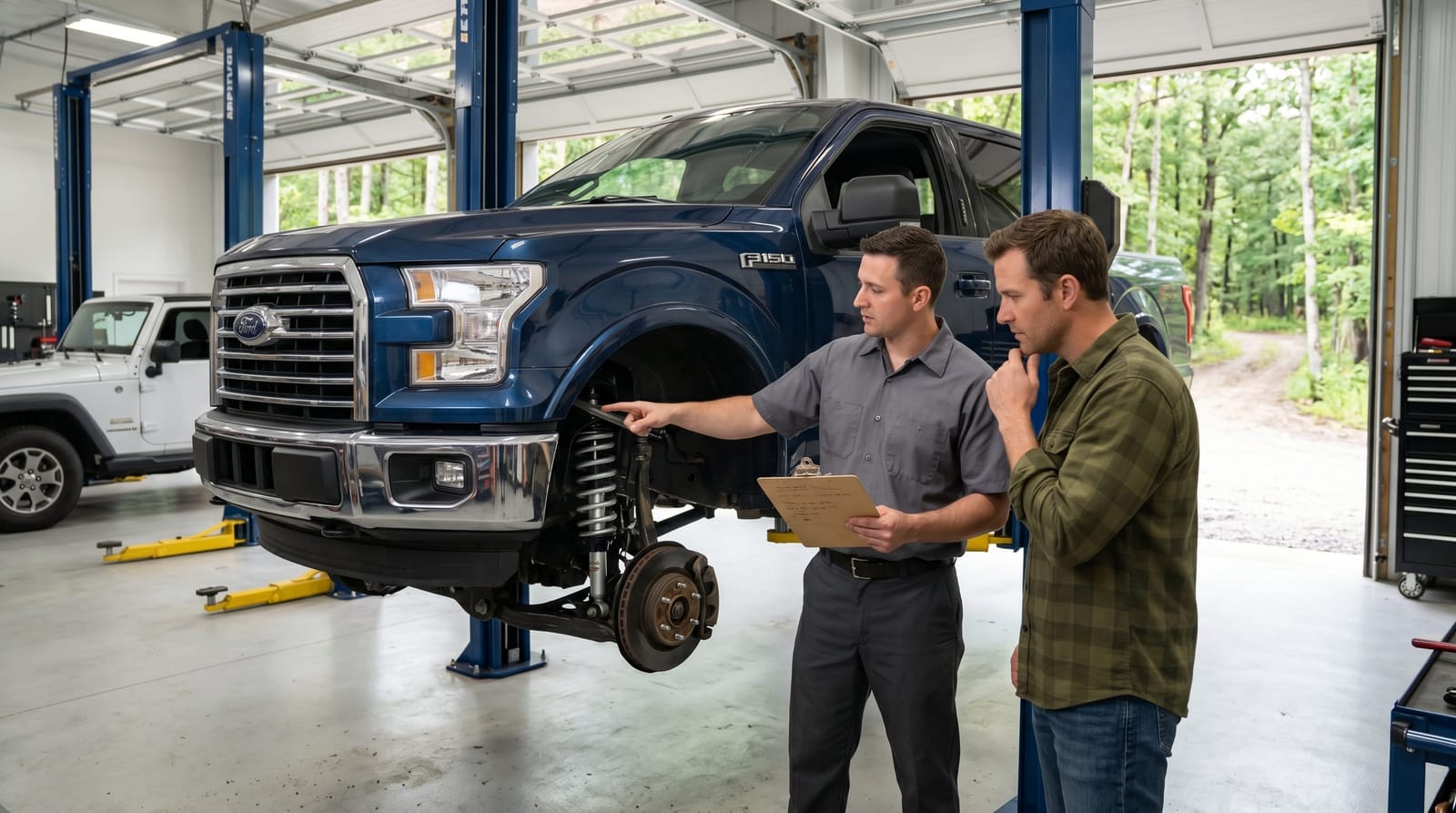
Lowering your vehicle changes the geometry of your suspension. That's not a bad thing on its own, but it does mean some other adjustments need to follow. When the suspension geometry shifts, so does the angle of your wheels relative to the road: what's called camber. If that angle isn't corrected through a proper alignment, your tires will wear unevenly and much faster than they should.
This is one of the most common mistakes people make when lowering a vehicle: they install the components but skip the alignment. A professional alignment after any suspension modification isn't optional: it's the step that protects your tires and keeps your vehicle driving straight.
Ride quality is another consideration. Lowering kits typically involve stiffer springs, which means the suspension has less travel to absorb bumps. On smooth roads, this often feels better. On rough pavement, it can feel harsher. The right component choice makes a real difference here. If you're curious about the specific parts involved, understanding the difference between lowering springs and coilovers can help you decide which option fits your driving style and comfort expectations.
Keeping Your Vehicle Functional After Lowering
A well-done drop should leave your vehicle fully functional, not just good-looking. That means your steering should feel normal, your tires shouldn't rub against the wheel wells, and you shouldn't be scraping the undercarriage on every driveway you pull into. If any of those things are happening, the drop is either too aggressive or the wrong components were used.
Here's a practical checklist to consider before committing to a drop:
- Measure your current ground clearance and set a target minimum (four inches is a reasonable floor)
- Consider your daily routes: steep driveways, rough roads, and speed bumps all matter
- Choose components designed for your specific vehicle make, model, and year
- Plan for a full alignment immediately after installation
- Have your suspension inspected periodically after lowering to catch any wear early
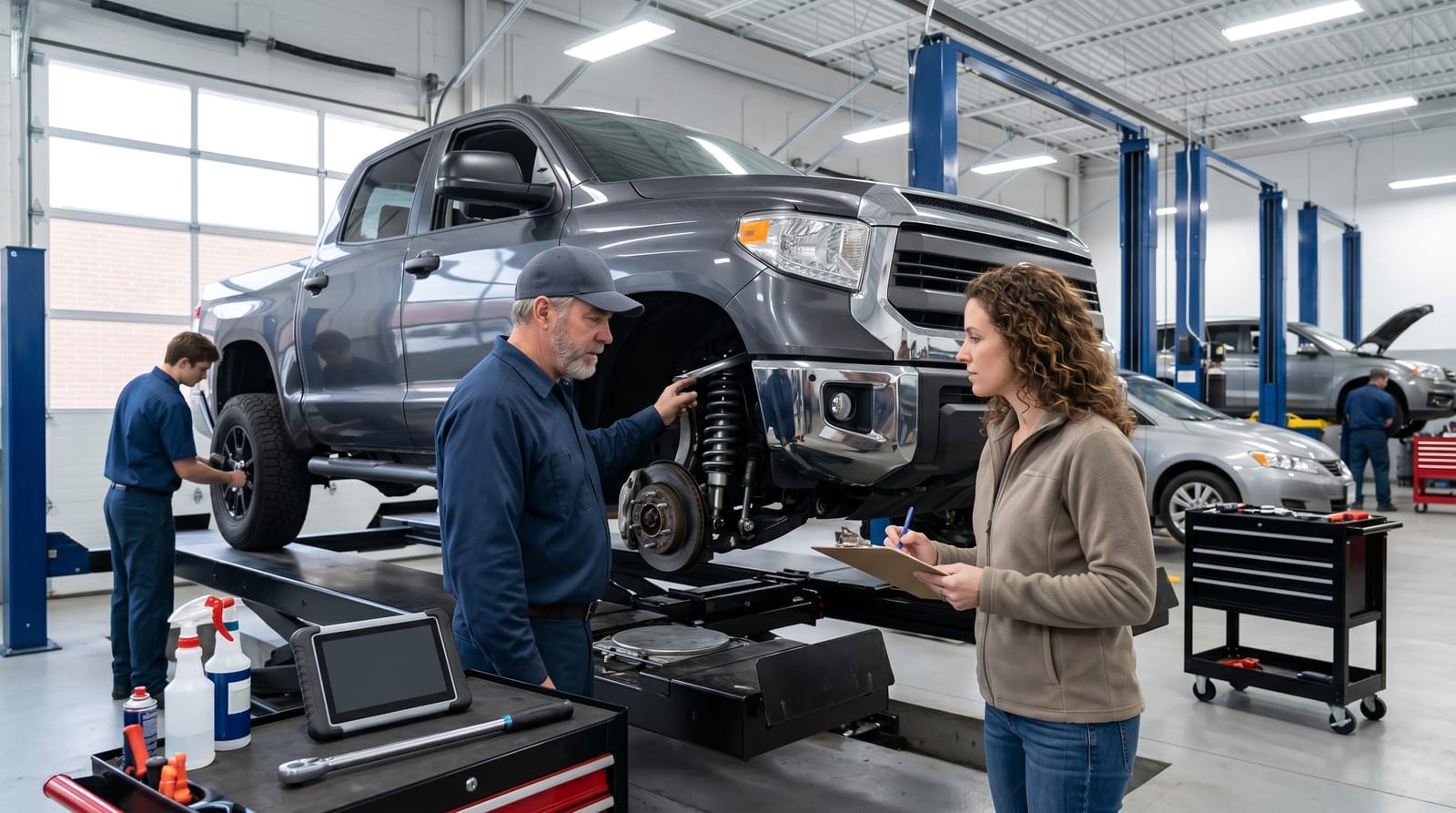
Working with a shop that has experience with suspension modifications means these steps get handled properly from the start, rather than becoming problems you discover later.
Frequently Asked Questions
How much can I lower my car without it affecting daily driving?
For most everyday vehicles, a drop of one to two inches is the range where you get the visual benefit without meaningfully impacting how usable the vehicle is day-to-day. You'll still clear most driveways, speed bumps, and road irregularities without issue. Going beyond two inches is possible but starts to require more thought about your specific roads and driving habits.
Will lowering my car cause tire damage?
It can, if the alignment isn't corrected after installation. Lowering changes your suspension geometry, which affects how your tires sit against the road. Without a proper alignment, the tires wear unevenly and wear out much faster than normal. Getting an alignment immediately after any suspension work is one of the most important steps you can take to protect your tires.
Does lowering a vehicle affect safety systems like automatic braking?
Modern vehicles with safety systems like automatic emergency braking are calibrated for the factory ride height. Significant changes to vehicle height can potentially affect sensor positioning and system performance. This is another reason to stay within reasonable drop ranges and have the work done by a professional who can flag any concerns specific to your vehicle's technology.
Is it worth lowering a truck or SUV?
Absolutely: truck and SUV drops are very popular and can look great while improving the vehicle's stance and on-road handling. The main difference is that these vehicles start with more ground clearance, so there's more room to work with before clearance becomes a problem. A two to three inch drop on a truck that started at eight inches of clearance still leaves plenty of room for everyday use.
The Bottom Line on Safe Lowering
Getting your vehicle lowering limits and safety right comes down to knowing your vehicle, your roads, and your goals. A thoughtful one to two inch drop on most cars and trucks will give you the look and feel you're after without creating clearance headaches or tire problems. The further you go beyond that range, the more important it becomes to have experienced hands guiding the process. Whether you're just starting to explore options or you're ready to move forward, having a clear plan, and the right shop behind it, makes all the difference in ending up with a vehicle that looks great and still works exactly the way it should.