How Much Does Lift Kit Installation Cost?
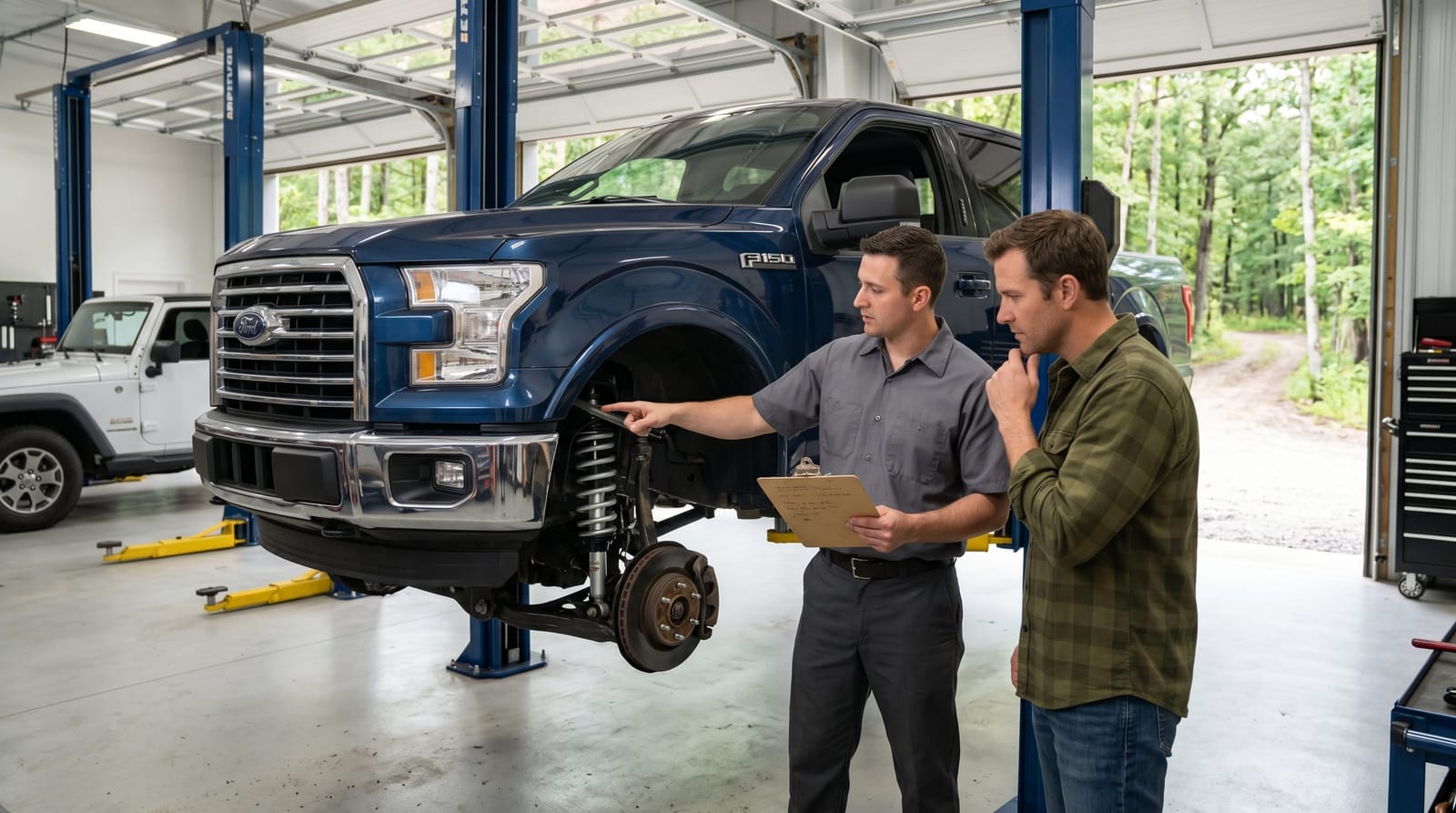
One of the first questions truck and SUV owners ask when exploring a lift is a straightforward one: what's this actually going to cost me? The honest answer is that lift kit installation cost estimates vary quite a bit depending on several factors: the type of kit, the size of the lift, and the labor involved. This post breaks down what goes into the price so you can plan your budget realistically and make a confident decision before heading into the shop.
What Factors Affect Your Lift Kit Installation Cost Estimate?
No two lift jobs are priced exactly the same, and that's not a red flag: it's just the nature of the work. A lift kit installation cost estimate depends on a combination of parts pricing and labor time, both of which shift depending on your specific vehicle and goals.
Here are the main variables that influence what you'll pay:
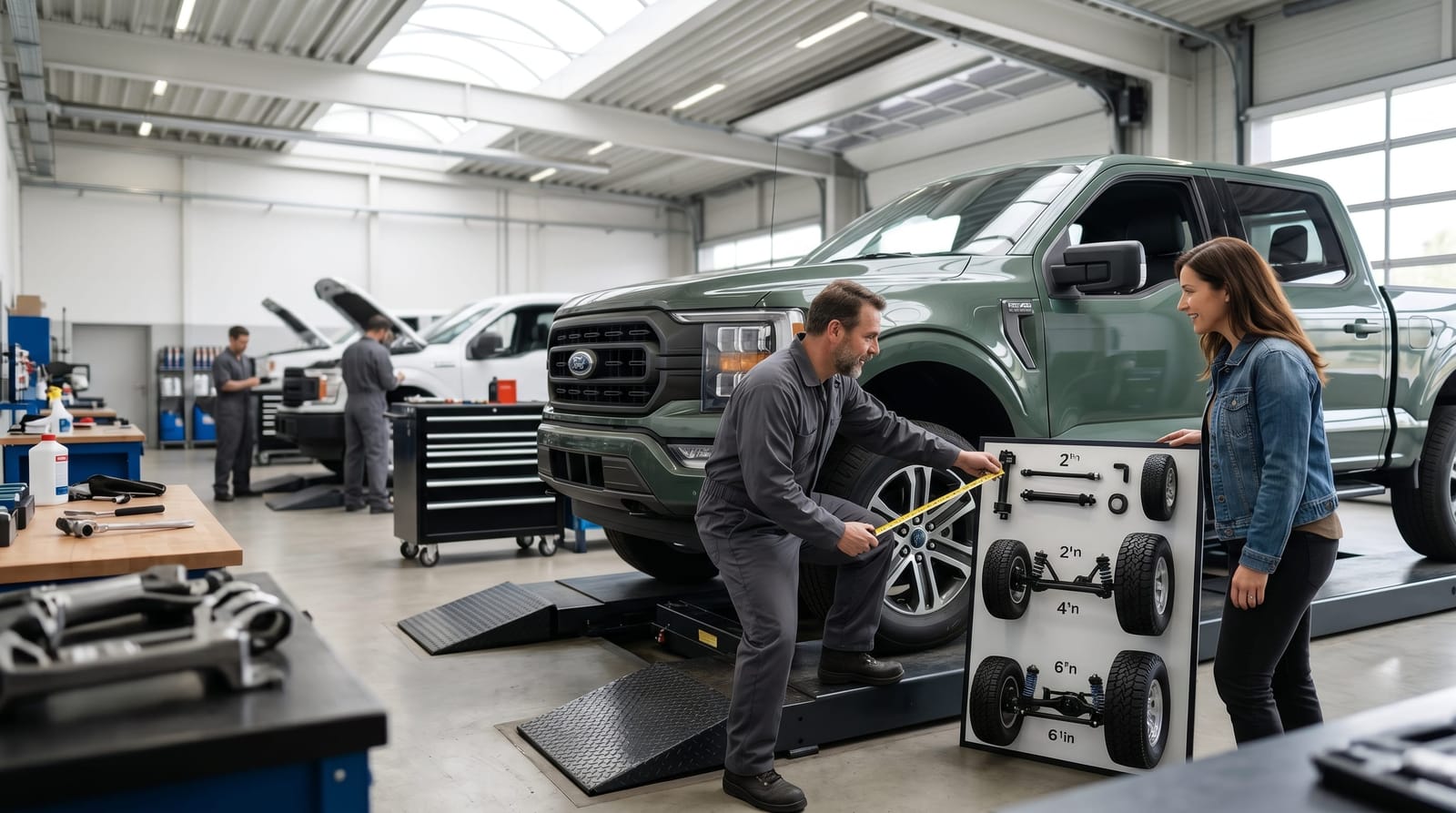
- Lift height: A 2-inch leveling kit is significantly simpler to install than a 6-inch suspension lift. The taller the lift, the more components are involved and the more labor time is required.
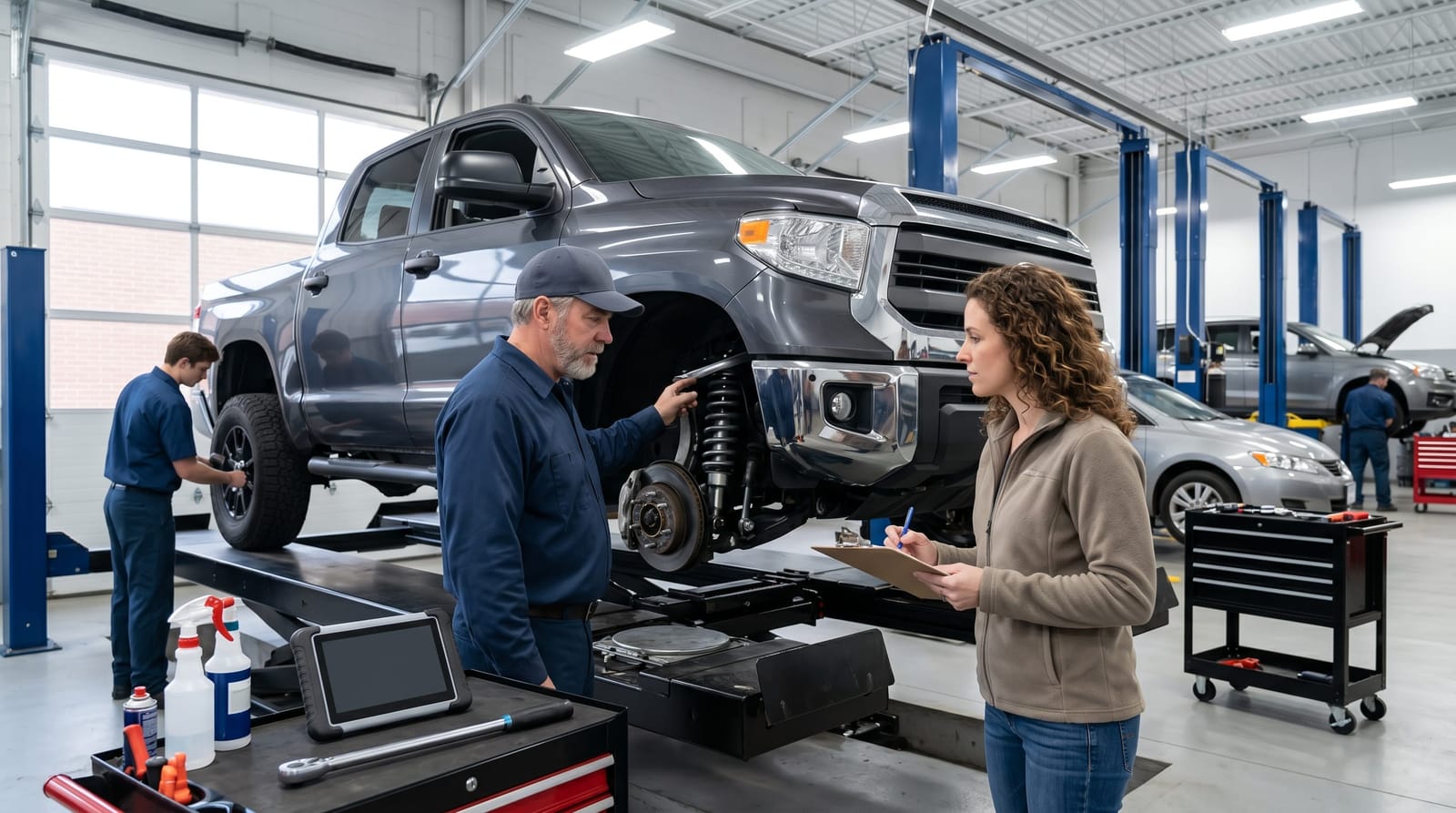
- Kit type: Body lift kits, leveling kits, and full suspension lift kits each have different part counts and installation complexity. Suspension lifts involve more disassembly and reassembly of your vehicle's steering and drivetrain components.
- Vehicle make and model: Some trucks and SUVs are more straightforward to work on than others. Older vehicles may have worn or rusted hardware that takes additional time to address safely.
- Add-on requirements: A lift that changes your vehicle's geometry may also require a wheel alignment, extended brake lines, or new control arms, all of which affect the final lift kit installation cost estimate.
- Parts quality: Budget-friendly kits exist, but quality parts from reputable brands hold up better over time and are worth the investment for daily drivers.
Understanding these factors upfront helps you have a more productive conversation with your installer and avoid sticker shock at pickup.
Typical Price Ranges: Parts and Labor Broken Down
Let's talk numbers. A realistic lift kit installation cost estimate breaks into two categories: the kit itself and the labor to install it.
Parts Costs
Kit prices span a wide range depending on the type and brand:
- Leveling kits: $50-$500 for parts. These are the most budget-friendly option and are designed to raise the front of your truck to match the rear height.
- Body lift kits: $200-$600 for parts. These use spacers to raise the body off the frame without altering suspension.
- Suspension lift kits (2-4 inches): $400-$1,500 for parts. A solid mid-range option for improved clearance and appearance.
- Suspension lift kits (5-6+ inches): $1,000-$5,000 or more for parts. These larger systems include new springs, shocks, control arms, and other components that add up quickly.
Labor Costs
Labor for lift kit installation typically runs between $500 and $3,000 depending on the complexity of the job. A basic leveling kit on a common truck might take two to three hours of shop time, while a full 6-inch suspension lift on a newer vehicle with complex electronics can take eight hours or more.
A realistic all-in lift kit installation cost estimate for most truck owners falls somewhere between $800 and $4,000 when you combine parts and labor. Larger, more involved lifts on premium vehicles can push beyond that range.
The Hidden Costs That Catch People Off Guard
When you're budgeting based on a lift kit installation cost estimate, it's important to account for secondary work that's often necessary after a lift is installed. These aren't upsells: they're practical requirements to keep your vehicle safe and driving correctly.
- Wheel alignment: Almost every lift requires a realignment afterward. This typically costs $80-$150 and is non-negotiable for safe handling and even tire wear.
- New tires: Many people install a lift specifically to fit larger tires. Depending on what size you choose, tires can add $600-$1,500 or more to your total.
- Extended brake lines: On larger lifts, your factory brake lines may not reach properly. Replacement lines are a safety item, not optional. If your lift also affects suspension travel, it may be worth checking for bad strut symptoms before proceeding.
- Driveshaft modifications: Some 4x4 trucks with significant lift heights require driveshaft adjustments to maintain proper drivetrain angles.
A shop that's upfront about these additional needs before the job starts is one you can trust. If you're also still deciding what height is right for your truck, it's worth reading through truck lift kit size selection guidance before committing to a specific kit.
How to Get an Accurate Lift Kit Installation Cost Estimate
The best way to get a reliable lift kit installation cost estimate is to walk into the shop with a few pieces of information ready:
- Your vehicle's year, make, model, and trim level. This tells the shop exactly what they're working with and what kit options are compatible.
- Your desired lift height. Even a rough goal (like "I want to fit 35-inch tires" or "I just want it to look a little taller") helps narrow down the options.
- Your intended use. Daily highway driving, off-road use, and towing all factor into which kit type makes the most sense for your situation.
From there, a good shop can put together a clear, itemized estimate that covers the kit, labor, alignment, and any additional parts required. You should never feel pressured to decide on the spot: a trustworthy installer will give you time to review the numbers.
It's also worth noting that warranty implications are a real consideration. Whether a lift affects your manufacturer warranty depends on your vehicle and the type of kit installed: that's a topic worth researching separately before you commit.
Frequently Asked Questions About Lift Kit Installation Costs
What is the average lift kit installation cost estimate for a basic leveling kit?
A leveling kit is the most affordable lift option. Parts typically run $50-$500, and installation labor adds another $150-$400 depending on your vehicle. With a required alignment, most truck owners spend $400-$900 total for a leveling kit installation.
Is it cheaper to install a lift kit yourself?
DIY installation can reduce labor costs, but it comes with real risks if the work isn't done correctly. Improper installation can affect steering, handling, and safety. For anything beyond a simple leveling kit, professional installation is strongly recommended to ensure everything is aligned and functioning properly.
Does lift height significantly change the lift kit installation cost estimate?
Yes, significantly. Moving from a 2-inch lift to a 6-inch lift can nearly triple both parts and labor costs. Larger lifts involve more components, longer installation times, and a higher likelihood of requiring additional work like driveshaft adjustments or brake line extensions.
Will I need new tires after installing a lift kit?
Not always, but it depends on the lift height and your current tire size. Many owners choose to upgrade their tires when lifting to take full advantage of the added clearance. If you plan to run larger tires, factor that cost into your overall lift kit installation cost estimate from the start.
Planning Your Budget with Confidence
Getting a lift installed is an exciting upgrade, and understanding what goes into a lift kit installation cost estimate takes the guesswork out of the process. Whether you're looking at a simple leveling kit or a full suspension lift, the key is knowing what factors drive the price and budgeting for the complete job, not just the kit itself. At Gregg Automotive, we're happy to walk through your options honestly, put together a clear estimate, and help you make the decision that fits both your vehicle and your budget.