How Much Does an Engine Swap Cost?
If you've been told your engine needs to be replaced, or you're simply exploring your options after a major mechanical failure, the first question most people ask is: what is this going to cost me? It's a fair question, and the honest answer is that engine swap costs vary quite a bit depending on several important factors. This guide walks you through a straightforward engine swap cost estimate breakdown so you can understand what's involved, plan realistically, and make a confident decision about your vehicle.
The Basic Cost Ranges You Should Expect
Engine swaps generally fall somewhere between $1,800 and $11,500 when you factor in parts and labor together. For most everyday vehicles, a realistic budget lands between $2,500 and $6,000, especially when working with a quality used or rebuilt engine from a trusted supplier.
Here's a general breakdown of what makes up that total:
- Used engine (from a salvage yard or supplier): $500-$3,000
- Rebuilt or remanufactured engine: $1,500-$4,500
- New crate or OEM engine: $3,000-$14,000 or more, depending on the vehicle
- Labor: $1,000-$4,000+ depending on the job's complexity
- Additional parts and fluids: $200-$800+
The engine itself is often the single largest cost, but labor and supporting parts add up quickly. Understanding each piece helps you compare estimates more accurately and avoid surprises when you get to the shop.
What Drives the Cost Up or Down
Not every engine swap is the same job, and several key variables affect where your final price lands on that cost spectrum.
The Type of Engine You Choose
A used engine from a low-mileage donor vehicle is typically the most affordable route. Rebuilt engines cost more because they've been disassembled, inspected, and restored with replacement parts. A brand-new crate engine is the most expensive option but often comes with better warranty coverage. The right choice depends on your vehicle's age, how long you plan to keep it, and your overall budget.
Your Vehicle's Make and Model
A straightforward engine replacement in a common domestic truck or sedan is much more predictable than work on a European import or a vehicle where the engine bay is tightly packed. Harder-to-access engine bays mean more labor hours, and more labor hours mean higher costs. Parts availability also plays a role: engines for widely sold vehicles are generally easier and cheaper to source.
Whether It's a Direct Replacement or a Full Swap
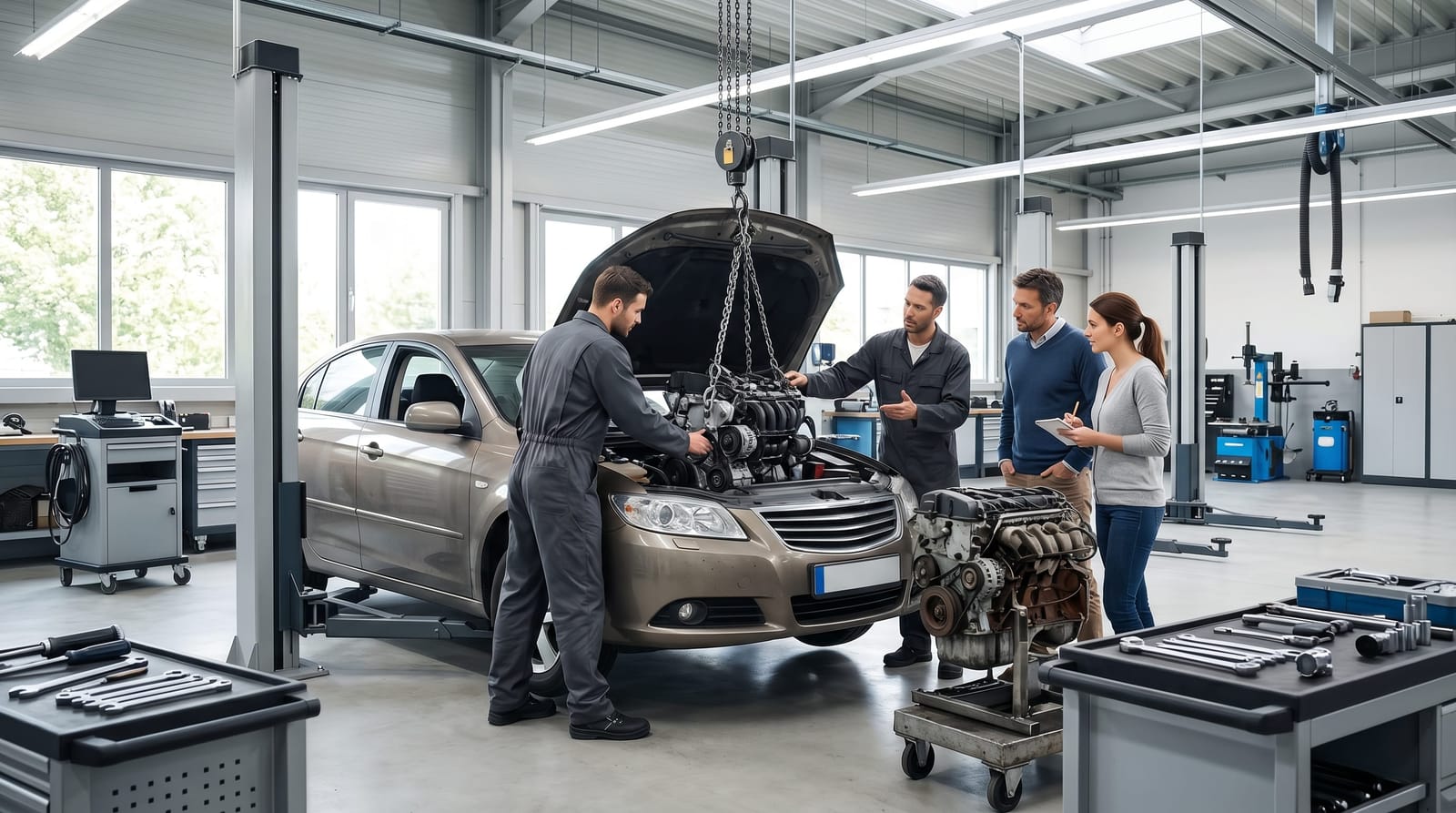
Replacing an engine with the same make and model engine is typically more straightforward. A true engine "swap", installing a different type of engine than what originally came in the vehicle, requires additional work. That can include custom mounts, wiring modifications, transmission compatibility checks, and ECU (computer) adjustments. If you're curious about what engines are compatible with your vehicle, that's a topic worth discussing with your shop before any work begins.
Labor Rates in Your Area
Labor costs are influenced by local market rates, the shop's experience level, and the complexity of your specific job. In the Kaufman County area, you'll generally find that independent repair shops offer competitive labor rates compared to dealerships, without sacrificing quality workmanship.
The Parts and Expenses People Often Overlook
One of the most common sources of budget surprises in engine swap projects comes from the supporting components: the parts that need to be replaced or refreshed alongside the engine itself. Skipping these can lead to premature problems with an otherwise good engine installation.
When planning your engine swap cost estimate breakdown, include these commonly needed items:
- Engine mounts: Old or worn mounts are typically replaced during installation
- Belts and hoses: These wear with age and are much easier to replace with the engine already out
- Coolant and oil: Fresh fluids are always part of a proper engine installation
- Gaskets and seals: Essential for preventing leaks after the new engine is in place
- Spark plugs and filters: A fresh start often means fresh service items throughout
- Thermostat and water pump: Often recommended for replacement at the same time to prevent future issues
A reputable shop will walk you through which of these items apply to your specific vehicle and explain why each one matters. This kind of transparency is the mark of a shop that's looking out for your best interests.
Is an Engine Swap Worth the Cost?
This is one of the most important questions to think through before committing to an engine swap. In many cases, particularly for newer vehicles, trucks with strong resale value, or cars with low overall mileage aside from the engine failure, a swap makes strong financial sense compared to purchasing a replacement vehicle.
Consider a few scenarios where an engine swap often makes good sense:
- The vehicle is paid off and otherwise in solid condition
- The cost of the swap is significantly less than a car payment over 12-18 months
- The vehicle has sentimental or functional value that a replacement wouldn't match
- The rest of the vehicle's systems (transmission, suspension, body) are in good shape
That said, if a vehicle has high mileage across all its systems, extensive rust, or multiple major repairs already pending, the math may not work in favor of the swap. An honest conversation with your mechanic, one who reviews the full picture of the vehicle, will help you make the right call. You should also factor in how long an engine swap takes to complete, since the timeline can affect decisions around rental vehicles or alternative transportation.
Getting an Accurate Estimate
When reaching out to a shop for an engine swap cost estimate breakdown, a trustworthy shop will want to inspect the vehicle, understand the full scope of the issue, and give you a written estimate that accounts for parts, labor, and likely supporting components. Be cautious of very low bids that don't account for the full picture: these often lead to additional charges mid-project.
Good questions to ask your shop when getting an estimate include:
- What type of engine are you recommending: used, rebuilt, or new?
- Does the engine come with any warranty?
- What supporting parts are included in the quote?
- Are there any potential complications specific to my vehicle?
- What does the labor rate cover, and how is it calculated?
Clear answers to these questions give you a much better foundation for comparing estimates and feeling confident in your decision.
Frequently Asked Questions
Is it cheaper to replace an engine or buy a new car?
It depends on the vehicle and the circumstances. For a car that's otherwise in good shape and paid off, an engine replacement is often significantly more affordable than taking on a new car loan. A $3,000-$5,000 engine swap versus a $400/month car payment adds up quickly. Your mechanic can help you evaluate the full condition of the vehicle so you can make a well-informed comparison.
How much does labor cost for an engine swap?
Labor for an engine swap typically runs between $1,000 and $4,000 depending on the vehicle and complexity of the job. Straightforward same-engine replacements on common vehicles tend to be on the lower end. Jobs requiring custom fitment, wiring changes, or difficult engine bay access can increase the labor hours and overall cost.
Does a used engine come with a warranty?
It varies by supplier and shop. Many shops offer a limited warranty on used or rebuilt engines, often 90 days to 12 months, sometimes with mileage limitations. Remanufactured engines from established suppliers may come with longer coverage. Always ask about warranty terms before approving work, and get the details in writing.
What's the difference between a rebuilt and a remanufactured engine?
A rebuilt engine has been disassembled, inspected, and repaired: typically replacing worn components like rings, bearings, and gaskets. A remanufactured engine is rebuilt to original factory specifications using standardized processes and tolerances. Remanufactured engines are generally more consistent in quality and often carry stronger warranties, though they come at a higher price point.
Making a Confident Decision
Understanding the full engine swap cost estimate breakdown, from engine type and labor to supporting components and potential extras, puts you in a much better position to evaluate your options clearly. Most engine swaps in the $2,500 to $6,000 range represent solid value for the right vehicle. The key is working with a shop that's upfront about pricing, experienced with the work, and willing to walk you through every line of the estimate. That's exactly the kind of service Gregg Automotive is built around.