Lowering Your Car in Texas: What Roads and Speed Bumps Do to Your Drop
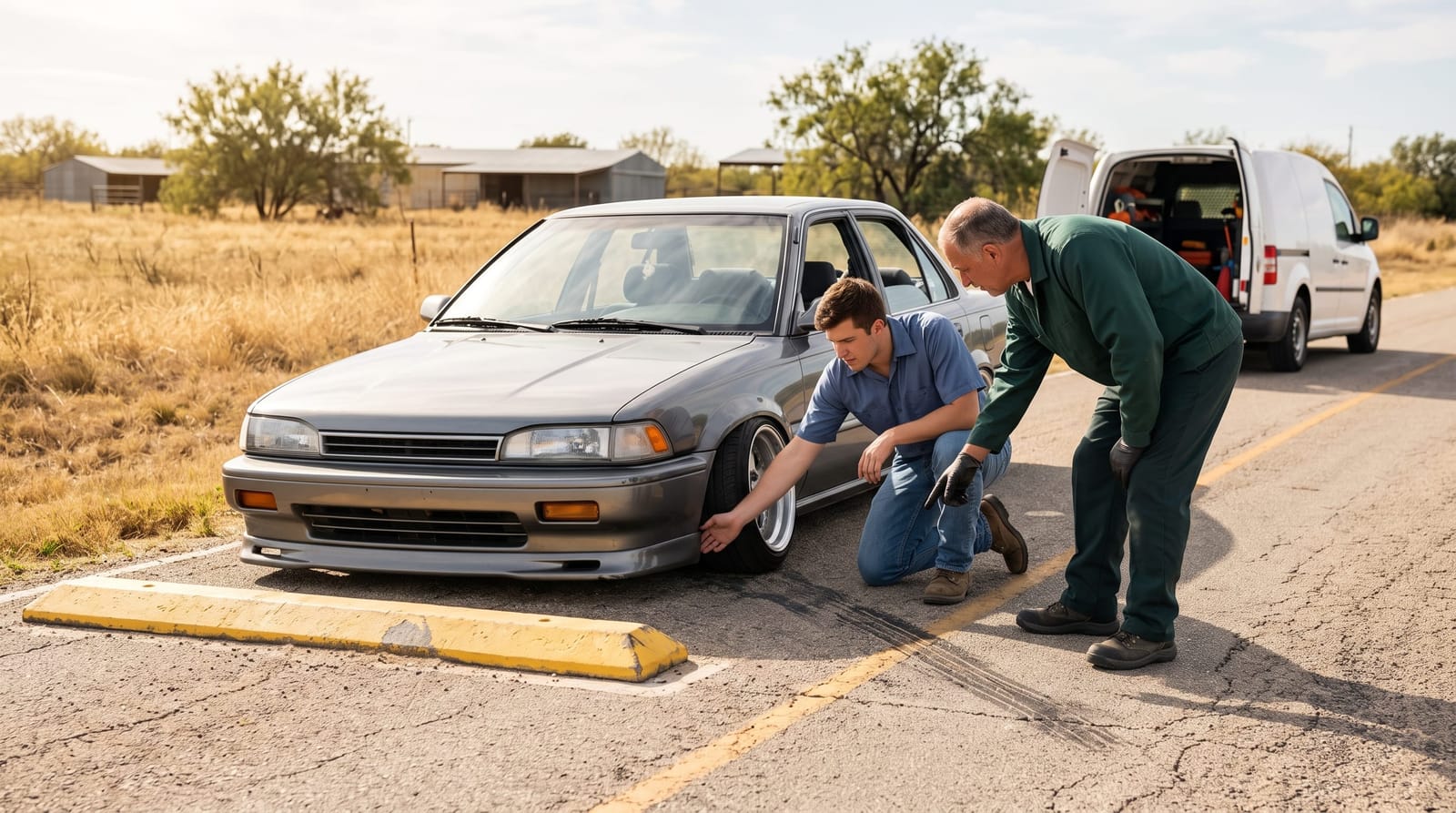
Lowering your car can give it a cleaner look and a more planted feel on the road, and it's one of the most popular modifications drivers in the Forney and Kaufman County area ask about. But before you commit to a drop height, it's worth understanding what Texas roads will actually do to a lowered vehicle day in and day out. If you've searched for information on lowered car Texas road problems, you're asking exactly the right question before making this modification. This guide breaks down what to expect and how to plan for it.
Why Texas Roads Are Harder on Lowered Cars Than You Might Think
Texas is a big state with a wide variety of road conditions, and not all of them are kind to vehicles with reduced ground clearance. In the Forney and Kaufman County area specifically, drivers deal with a mix of highway stretches, older city streets, rural caliche roads, and countless railroad crossings scattered throughout the region.
Stock vehicles are designed with enough clearance to handle most of these conditions without much thought. When you lower a vehicle, even by just an inch or two, that margin shrinks. What was once a minor dip or bump in the road can suddenly become something your undercarriage scrapes across.
Some of the most common road-related challenges for lowered cars in this area include:
- Railroad crossings: There are dozens of at-grade rail crossings throughout Kaufman County, and many are raised or uneven. These are one of the most frequent causes of scraping for lowered vehicles.
- Caliche and rural roads: Outside of city limits, many roads are unpaved or poorly maintained. The ruts, washboard surfaces, and loose gravel can be rough on lowered suspension components.
- Speed bumps and speed tables: Shopping centers, neighborhoods, and school zones throughout Forney are filled with speed bumps, and they vary widely in height and sharpness.
- Driveway aprons and parking entrances: The angle where a driveway meets a street or where a parking lot entrance dips slightly is enough to scrape a car that's been dropped aggressively.
None of this means lowering your car is a bad idea: it just means the drop height you choose matters a lot for real-world daily driving.
How Drop Height Affects Ground Clearance and Daily Life
Not all lowering setups are the same. A modest drop of one to two inches looks noticeably different from stock and improves handling, but it still leaves you with enough clearance for most everyday situations. Drop three inches or more, and you're in territory where routine driving requires more attention and care.
Here's a general breakdown of what different drop levels tend to mean for daily use in this area:
- 1-1.5 inch drop: Generally manageable for most Texas road conditions. You'll still want to approach steep driveways and railroad crossings carefully, but daily driving stays relatively comfortable.
- 2-2.5 inch drop: You'll notice the difference on rougher surfaces. Speed bumps require slowing down significantly, and low-clearance obstacles like parking curbs become things you actively watch for.
- 3+ inch drop: This level of lowering is better suited for vehicles that see limited daily driving or controlled road conditions. In a place like Forney where rail crossings and rough roads are common, aggressive drops require ongoing attention behind the wheel.
The right drop height depends on how you use the vehicle, what roads you drive regularly, and how much daily inconvenience you're willing to manage. There's no single right answer, but there is an answer that's right for your situation.
What Lowering Does to Tires, Ride Quality, and Suspension Components
Beyond ground clearance, lowering a vehicle changes the geometry of how your tires sit and how your suspension moves. When done correctly with quality components and professional installation, many of these effects are predictable and manageable. When the setup isn't right for the vehicle or the roads it drives on, you may notice issues develop over time.
Some things to be aware of:
- Tire wear: Lowering can change how your tires contact the road. Without proper alignment after installation, tires may wear unevenly on the inner or outer edges faster than normal.
- Ride quality: Lowered vehicles, especially those using stiffer springs, tend to transmit more road vibration into the cabin. This is a trade-off many drivers accept, but it's worth understanding before committing.
- Suspension travel: With less room for the suspension to move up and down, rough surfaces translate more directly to the chassis. Over washboard roads or poorly maintained pavement, this can feel noticeably harsher than stock.
This is one reason why alignment after any suspension modification isn't optional: it's essential. A proper four-wheel alignment after installation helps make sure your tires wear evenly and your vehicle handles predictably. Our team at Gregg Automotive handles alignment after lift and lowering installations to make sure everything is set correctly for your specific vehicle.
Choosing a Drop Height That Works for Kaufman County Daily Driving
The best approach is to think honestly about how you use your vehicle before deciding on a drop height. Consider these questions:
- Do you drive rural roads or regularly access unpaved areas?
- How many railroad crossings are in your regular route?
- Do you park in lots with steep entrances or high curbs?
- Are you driving this vehicle every day, or is it more of a weekend car?
If your daily commute keeps you mostly on highways and well-maintained streets, you may have more flexibility with drop height than someone who regularly drives down County Road and across several rail crossings to get home.
For most daily drivers in the Forney area, a 1.5 to 2 inch drop using quality lowering springs or a coilover setup tends to hit a practical sweet spot: noticeable visual change, improved handling feel, without making every parking lot entrance an obstacle course. Our full modification guide covers how to approach these decisions for both trucks and cars.
Frequently Asked Questions
Will a lowered car scrape on Texas railroad crossings?
It depends on the drop height and the specific crossing. Many rail crossings in Kaufman County are raised or uneven, which can be a problem for vehicles dropped more than two inches. Approaching crossings at an angle rather than straight-on can sometimes help reduce the risk of scraping, but a more moderate drop height is the most reliable solution for regular use.
Does lowering a car affect tire wear?
It can, particularly if the vehicle isn't properly aligned after the modification. Lowering changes the suspension geometry, and without an alignment adjustment, tires may wear unevenly at the edges. Getting a four-wheel alignment after any suspension change is a straightforward way to protect your tire investment.
Can I still drive a lowered car on caliche or gravel roads?
You can, but it requires more care. Rutted or uneven surfaces can be harder to navigate with reduced ground clearance. If you regularly travel unpaved roads in rural parts of Kaufman County, this is an important factor to discuss before settling on a drop height.
Is it harder to drive a lowered car through Forney neighborhoods?
Speed bumps are common in Forney neighborhoods and shopping centers, and they do require more attention in a lowered vehicle. The key is choosing a drop height that's proportional to how you actually drive: a moderate drop can look great and still handle neighborhood speed bumps without issue when you slow down appropriately.
Making a Smart Decision Before You Drop
Lowering your car in Texas is absolutely doable: plenty of drivers in the Forney and Kaufman County area do it and enjoy the results every day. The key is going in with realistic expectations about what your local roads look like and choosing a drop height that fits your actual driving life, not just the look you have in mind. If you're still working through the decision, our complete modification guide for Kaufman County drivers is a good place to keep researching before you commit.