What Size Tires Can You Run After a 4-Inch Lift?
One of the first questions truck owners ask after deciding on a lift kit is: what tires can I actually run? It's a practical question, and the answer matters before you ever schedule an installation appointment. Getting your tire size wrong means rubbing, uneven wear, or having to revisit the project after spending money on it. This post breaks down what fits after a 4-inch lift, what factors affect your final decision, and how to plan your full build the right way the first time.
The Short Answer: 35-Inch Tires Are the Sweet Spot for a 4-Inch Lift
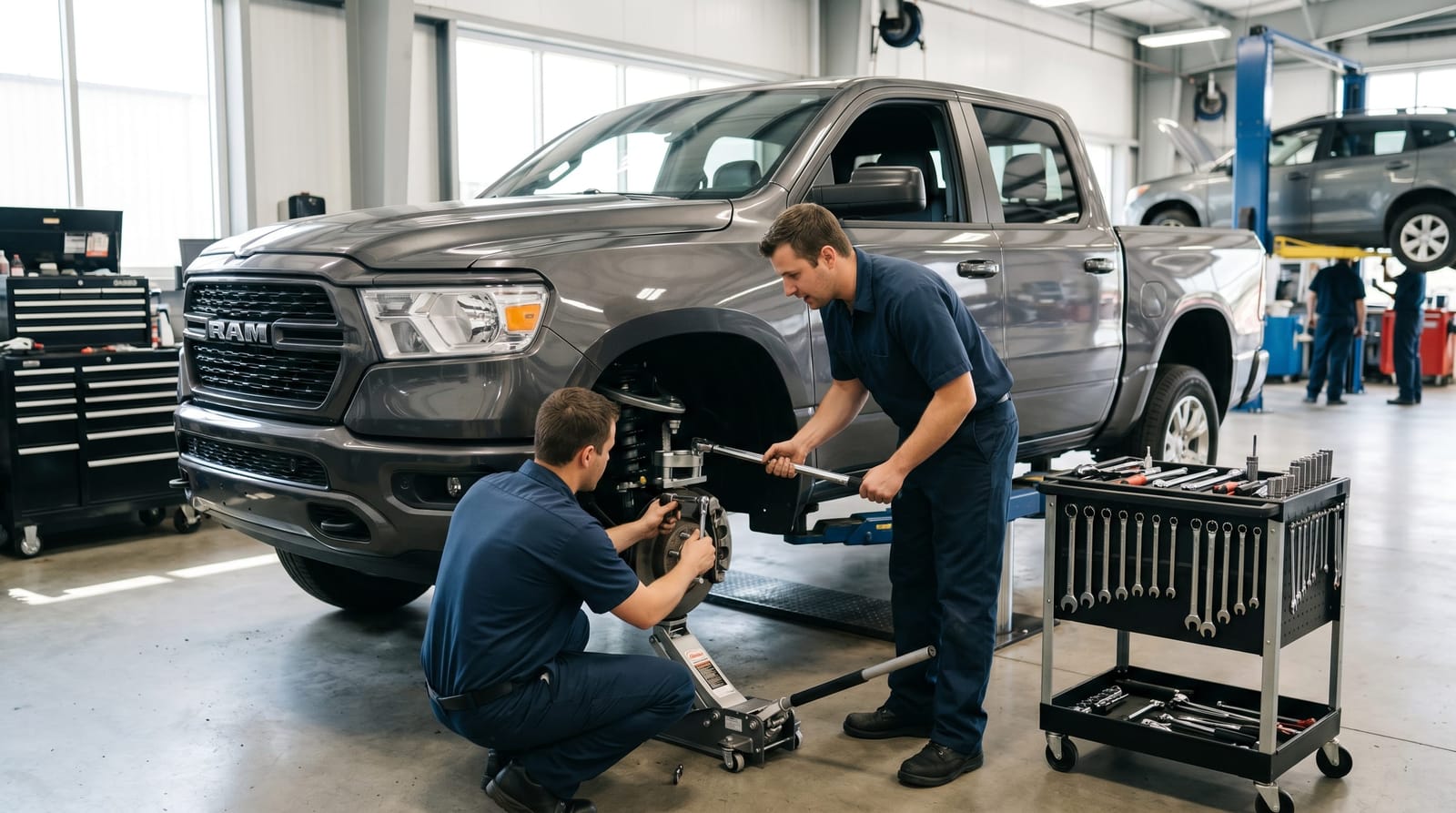
For most full-size trucks, including popular models like the Chevy Silverado 1500, GMC Sierra 1500, Ford F-150, and RAM 1500, a 4-inch lift opens the door to 35-inch tires without modification or rubbing issues. This combination is one of the most common pairings for a reason: it gives trucks a noticeable size increase and an aggressive stance without requiring extra trimming of fender liners or bump stop relocation.
To put that in perspective, a stock truck or a truck with just a 2.5-inch leveling kit can typically fit 33-inch tires comfortably. Moving to a 4-inch lift adds enough clearance in the wheel well to handle the larger diameter of a 35-inch tire without contact during turns or when the suspension compresses.
That said, "fits" isn't a universal guarantee. Your specific year, make, and model all play a role. A 35-inch tire on a Silverado 1500 with a 4-inch lift may clear just fine, while the same tire on a different truck platform might need minor trimming depending on how tight the wheel well is from the factory.
Why Wheel Offset Matters as Much as Lift Height
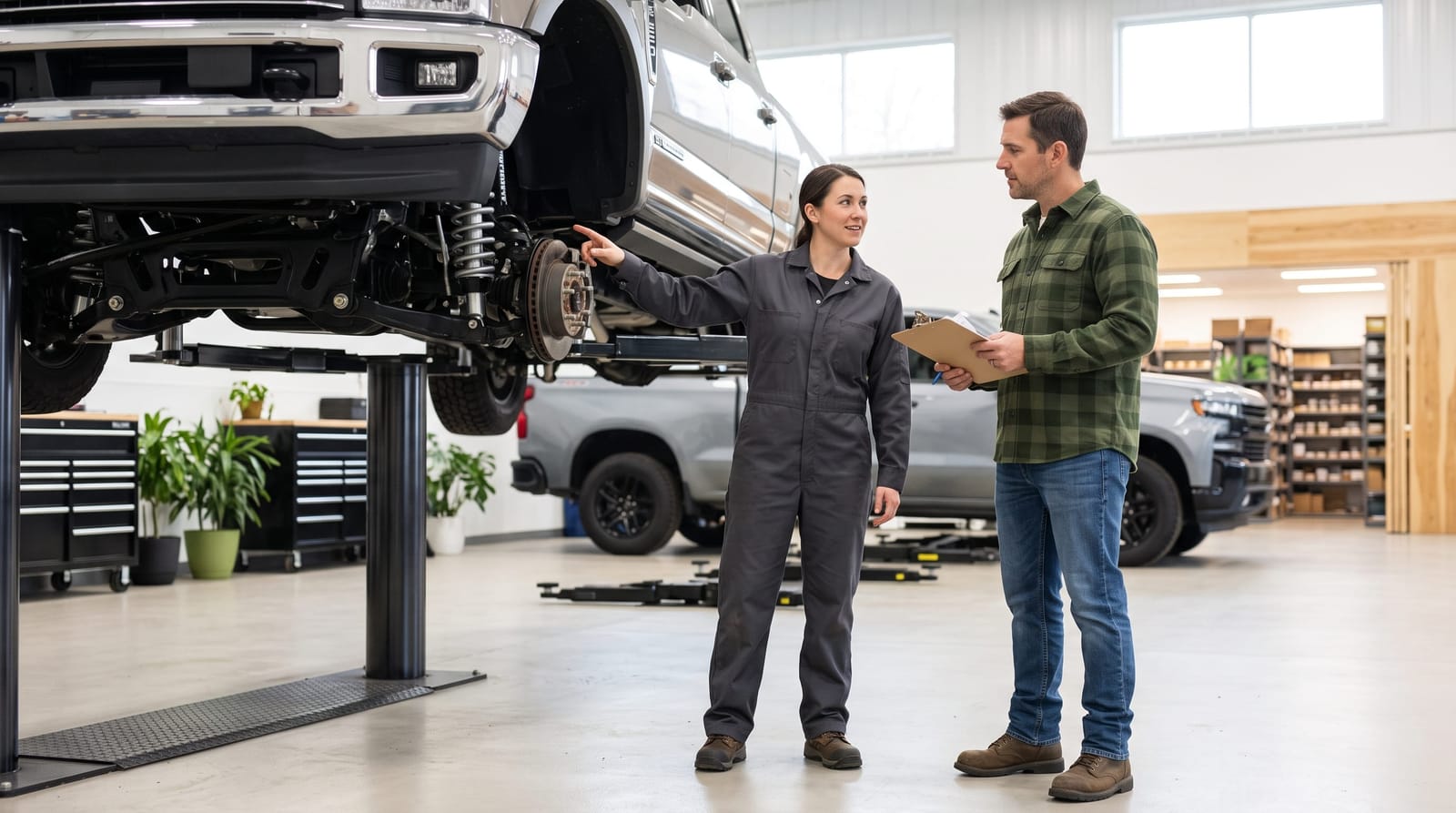
Lift height is only part of the equation. Wheel offset, which describes how far inward or outward your wheel sits relative to the hub, has a big impact on whether your tires rub against the inner fender, control arms, or frame components.
Here's a simple way to think about it:
- Positive offset pushes the wheel inward, tucking it closer to suspension components. This can cause rubbing on the inside of the wheel well during tight turns, especially with wider tires.
- Negative offset pushes the wheel outward, which creates more clearance from suspension parts but may cause the tire to rub on the outer fender lip or require a fender flare for coverage.
- Zero offset centers the wheel evenly on the hub, which is often the safest middle ground for lifted builds.
When you're planning a lift and tire upgrade together, it's worth discussing wheel offset with your shop before purchasing anything. Choosing a wheel with the right offset for your specific truck can be the difference between a clean, rub-free build and one that requires extra work after installation.
What About Going Bigger Than 35s on a 4-Inch Lift?
Some truck owners want to push past 35-inch tires after a 4-inch lift, and while 37-inch tires are technically possible on certain platforms, it usually requires additional steps that aren't as simple as just bolting them on.
Running 37s on a 4-inch lift may require:
- Trimming the inner fender liner to prevent contact during full turns
- Adjusting or relocating bump stops so the suspension doesn't compress too far and cause the tire to contact the body
- Selecting a wheel with specific offset measurements to keep the tire positioned correctly
- Potentially upgrading to a larger lift kit (5 or 6 inches) to make the fitment cleaner and safer long-term
If you're already thinking about 37s, it may be worth reconsidering whether a 4-inch lift is the right starting point, or whether stepping up to a 6-inch lift would accomplish your goals more cleanly. A good shop can walk you through what fits your specific truck without guesswork.
It's also worth knowing that understanding truck leveling kit explained concepts can help you understand the baseline your truck is starting from before adding a full lift, since some trucks already have a small front lift from the factory or a previous leveling kit that affects overall clearance.
Tire Width: Don't Forget the Second Dimension
Tire diameter gets most of the attention, but width is equally important when it comes to fitment. A 35-inch tire can come in multiple width options: the most common being 285 (about 11.2 inches wide) or 315 (about 12.4 inches wide).
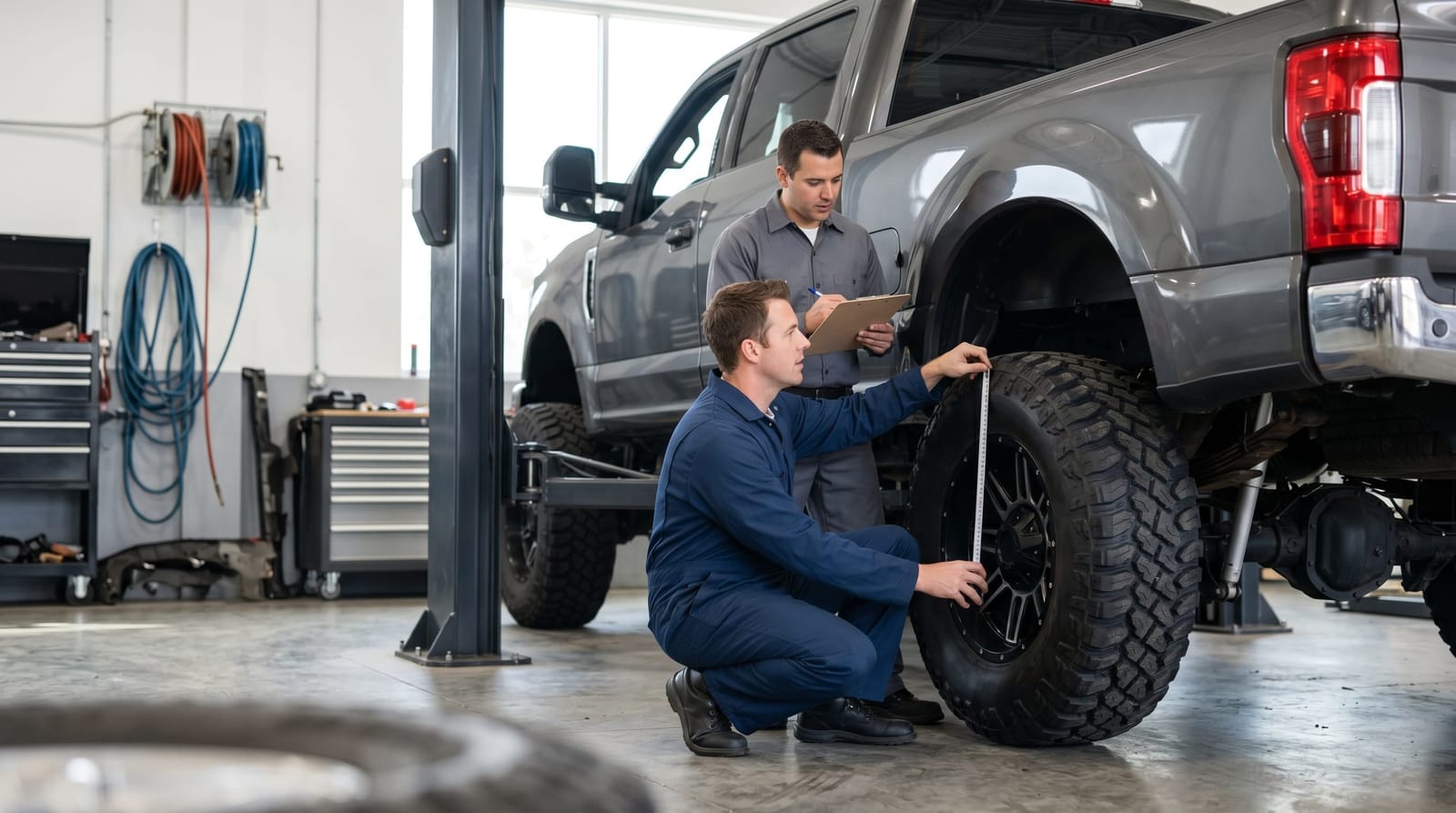
Wider tires fill out the wheel wells and give trucks that planted, aggressive look many owners are after. But they also reduce clearance from the inner fender and suspension components. On a 4-inch lift, a 35x12.50 (35-inch diameter, 12.5 inches wide) is a popular and generally safe choice for most full-size trucks. Going much wider than that, especially on trucks with narrower factory wheel wells, increases the chance of contact during turning or suspension travel.
A good rule of thumb: if you're picking between two tire widths that both fit your lift height, test the wider option with a clearance check before committing. Shops experienced with lift builds can help you confirm fitment before anything gets mounted.
Alignment and Clearance Checks After Installation
Once your lift and tires are installed, alignment is not optional: it's essential. A 4-inch lift changes the geometry of your front suspension, and without a proper alignment, your new 35-inch tires will wear unevenly, your steering may pull to one side, and you could experience handling issues over time.
A few things your shop should check after installation:
- Full alignment adjustment including caster, camber, and toe settings specific to your lifted configuration
- Clearance check during full steering lock: turning the wheel completely in both directions while someone watches for tire contact points
- Suspension travel inspection: checking clearance when the suspension is compressed to simulate bumps and dips in the road
- Speedometer recalibration: larger tires change your effective rolling diameter, which can cause your speedometer to read slightly low if not recalibrated
Trucks used for towing or hauling have additional considerations after a lift and tire upgrade, since load weight affects suspension compression and can bring tires closer to contact points they cleared when empty.
Frequently Asked Questions
Will 35-inch tires fit a 4-inch lift without any trimming?
On most full-size half-ton trucks, yes: 35-inch tires generally fit a 4-inch lift without trimming. However, exact fitment depends on your specific truck model, wheel offset, and tire width. A clearance check during and after installation confirms there are no contact issues during turning or suspension travel.
Can I run 37-inch tires on a 4-inch lift?
It's possible on some trucks, but it usually requires additional modifications like fender trimming, bump stop adjustment, or a specific wheel offset to work correctly. Many truck owners who want to run 37s find it cleaner to start with a 5 or 6-inch lift instead.
Does tire width matter as much as tire diameter when planning a lifted build?
Yes, width matters significantly. A wider tire takes up more space in the wheel well side-to-side, even if the diameter fits the lift height. Tires in the 285 to 315 width range are common on 4-inch lifted trucks, but wider options may require a specific wheel offset or minor trimming to fit cleanly.
Do I need a new alignment after installing a lift and larger tires?
Absolutely. A 4-inch lift changes your suspension geometry, and an alignment is necessary to prevent uneven tire wear, steering pull, and long-term handling issues. This should be done immediately after the lift installation, not weeks later.
Plan Your Build Before You Buy
A 4-inch lift and 35-inch tires is one of the most reliable, well-tested combinations for full-size trucks, and for good reason. It delivers a significant visual upgrade and improved ground clearance without pushing into territory that requires major modifications. The key is planning your wheel offset and tire width alongside your lift height so everything works together from day one. If you're still weighing your options on lift size, the broader lift kit selection guide for Kaufman County TX covers how different lift heights compare and what each one is best suited for. When you're ready to move forward, a shop familiar with local roads and truck builds can help you put it all together the right way.