Will Lowering My Car Improve Handling?
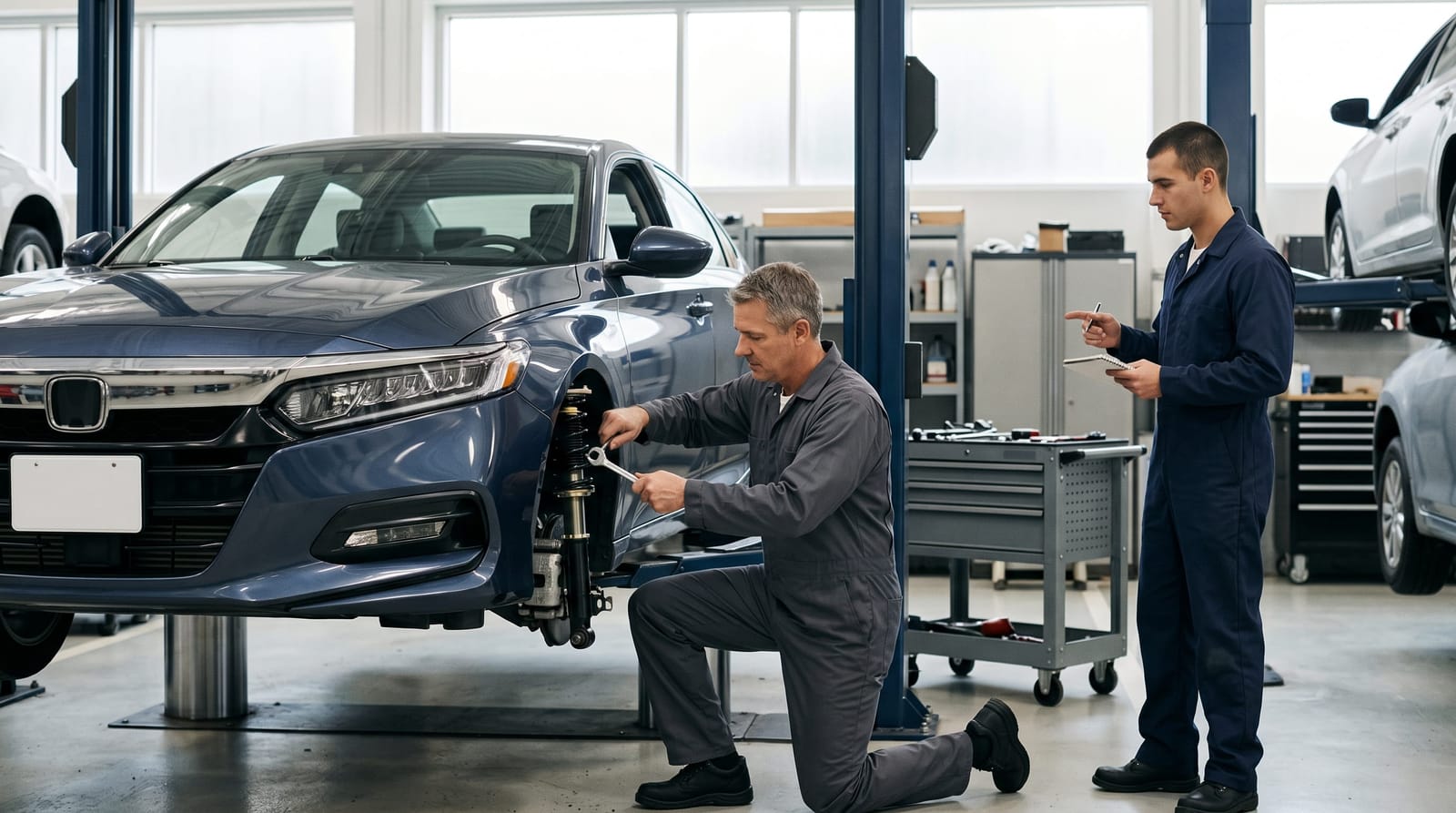
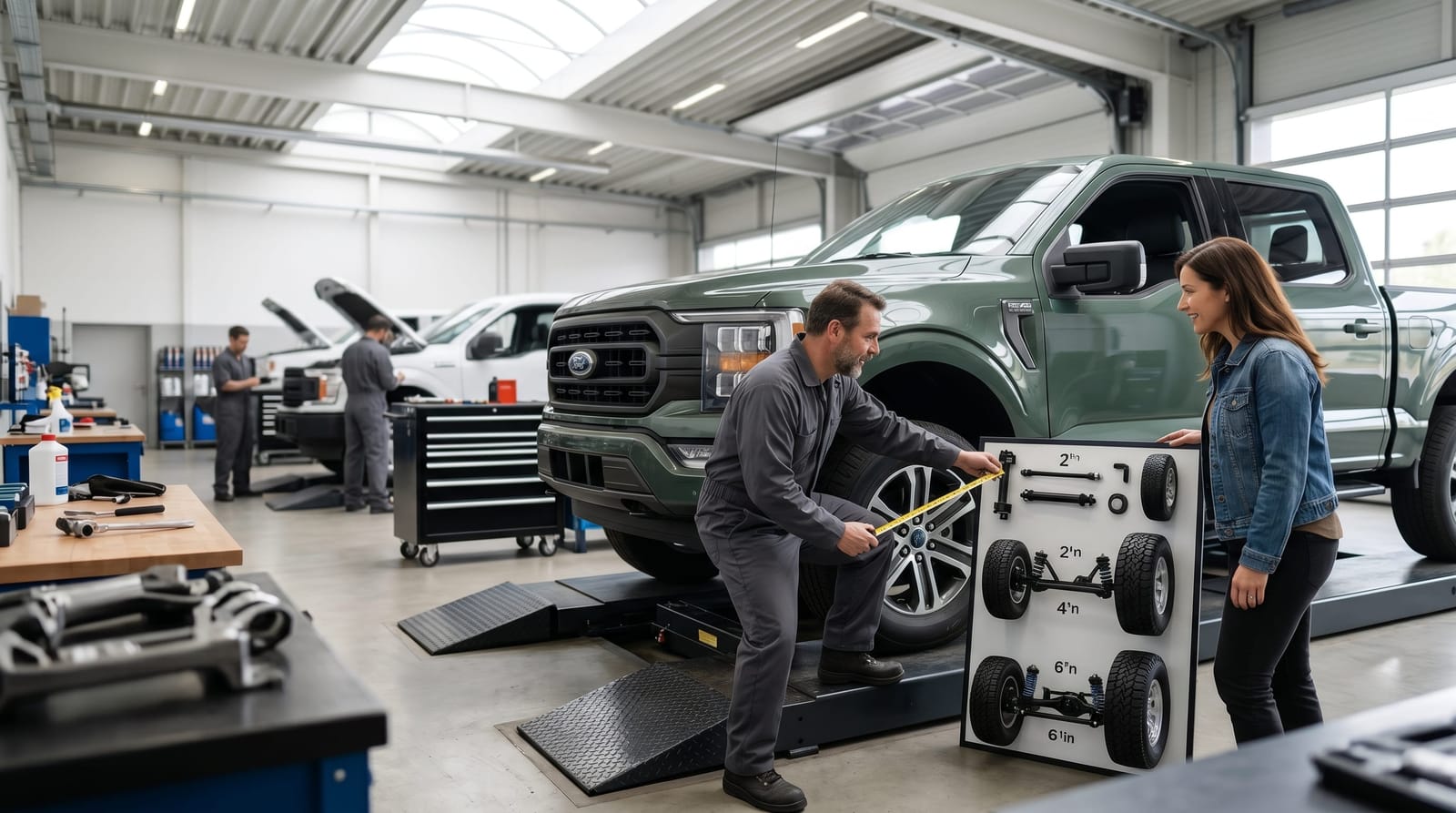
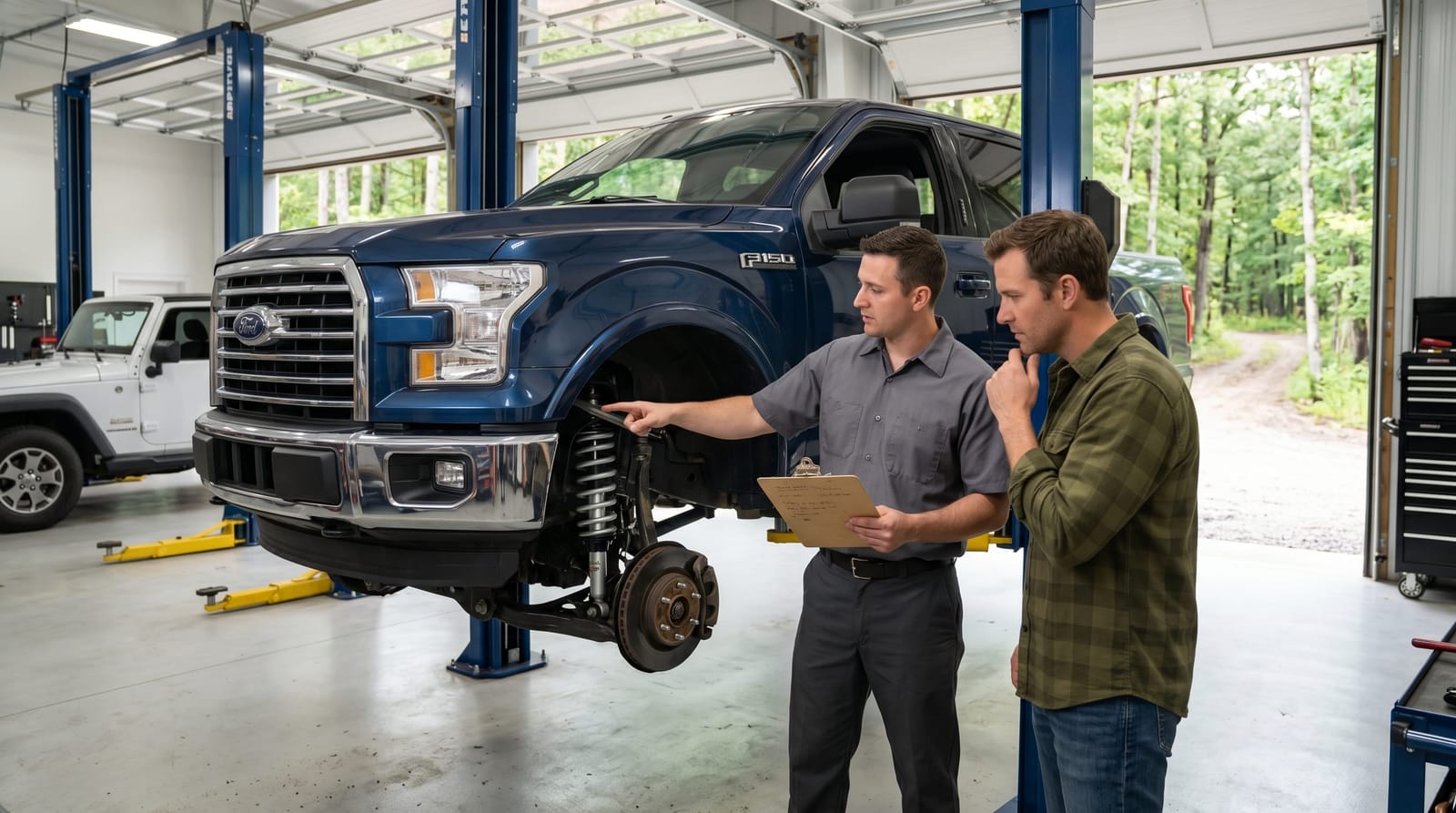
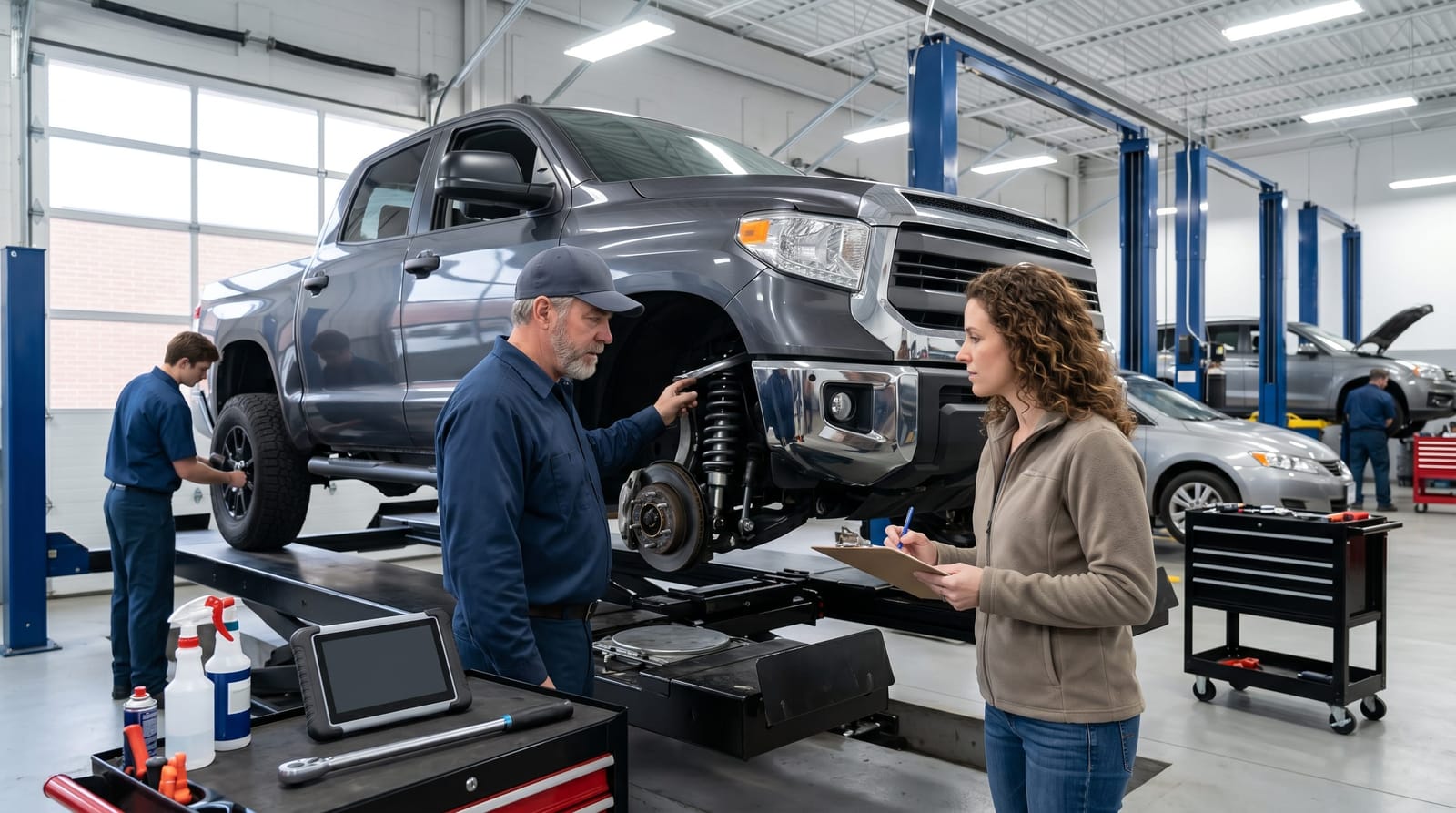
It's one of the most common questions we hear from vehicle owners who are considering a suspension modification: will lowering my car actually make it handle better, or is that just a styling choice? The honest answer is: it depends on how it's done and what you're hoping to achieve. Lowering a vehicle can deliver real, measurable improvements in how it drives, but it also comes with trade-offs worth understanding before you commit. Let's walk through what actually happens when you lower a vehicle and whether it makes sense for your situation.
How Lowering Affects Your Vehicle's Center of Gravity
One of the most straightforward vehicle lowering handling benefits is the reduction in your vehicle's center of gravity: meaning the effective midpoint of its weight sits closer to the ground. When you take a corner or make a sudden lane change, a higher center of gravity causes more of your vehicle's weight to shift toward the outside wheels. That shift is what creates the leaning or swaying sensation some drivers notice at highway speeds or during turns.
When a vehicle is lowered, even by just 1 to 2 inches, that weight transfer is reduced noticeably. The vehicle stays more planted through turns, and the driver feels more connected to the road. According to data from suspension specialists, vehicles lowered within the appropriate range experience reduced body roll, which directly translates to more predictable, confident handling in everyday driving situations, not just on a track.
This effect is particularly noticeable for taller vehicles like crossovers or older sedans with softer, higher-riding suspension setups. Bringing the ride height down even moderately can change how the vehicle feels in a meaningful way.
Stiffer Springs and What They Do for Responsiveness
Lowering a vehicle typically involves installing springs with a higher spring rate: meaning stiffer springs that compress less under load. This stiffness plays a big role in the handling improvements most drivers notice. Here's what that change practically means:
- Faster steering response: With less suspension travel and stiffer springs, the vehicle reacts more immediately when you turn the wheel.
- Reduced weight transfer: Less suspension compression during turns means more consistent tire contact with the road surface.
- More stability at highway speeds: The vehicle resists floating or wandering, which many drivers describe as a more "planted" feel.
- Improved braking stability: Reduced nose-dive under braking means the front tires maintain better contact and grip during stops.
These are real, functional changes, not just a placebo effect from a new-looking stance. That said, stiffer springs do mean a firmer ride on rough roads or speed bumps. Whether that trade-off is acceptable depends largely on where and how you drive.
Aerodynamics and Road Grip at Speed
Here's something many vehicle owners don't think about: the gap between the underside of your vehicle and the road surface actually matters for how air flows around the car. When a vehicle sits higher off the ground, more air travels underneath it, creating what's called lift: an upward force that can subtly reduce tire contact with the road at higher speeds.
When you lower a vehicle, that gap shrinks. Less air flows underneath, which reduces aerodynamic lift and keeps the vehicle more firmly pressed toward the road surface. Studies from automotive engineers suggest that even a modest 1-inch drop can reduce underbody airflow enough to produce a measurable improvement in high-speed stability.
For drivers who spend time on highways or open roads, this translates to less of that "floaty" feeling at 65 to 75 miles per hour. The vehicle feels more composed and easier to keep in its lane without constant steering corrections.
The Trade-Offs You Should Know About
In the interest of giving you an honest picture, vehicle lowering does come with some real drawbacks that vary depending on how much the vehicle is lowered and the quality of the components used.
- Tire wear: Improper alignment after lowering, or lowering the vehicle beyond its design range, can cause uneven tire wear. Front tires may wear faster on the inside or outside edges if camber angles aren't corrected.
- Bottoming out: Going too low can cause the vehicle's undercarriage to contact the road on dips, speed bumps, or uneven pavement. This creates both a safety concern and potential damage to components underneath the vehicle.
- Ride comfort: Stiffer springs absorb road imperfections less, which means passengers may feel more bumps and vibrations on rough roads.
- Suspension component stress: If the vehicle is lowered more than its suspension geometry is designed to accommodate, wear on ball joints, control arms, and other components can increase over time.
- Ground clearance concerns: Steep driveways, parking curbs, and off-road situations become more challenging with reduced clearance.
These trade-offs don't mean lowering is a bad idea: they mean it needs to be done thoughtfully, with the right components and a proper alignment afterward.
What Makes Lowering Work Well vs. Work Against You
The difference between a lowering job that genuinely improves handling and one that creates problems usually comes down to three things: how much the vehicle is lowered, the quality of the springs and components used, and whether a full alignment is performed after installation.
Most experts recommend staying within a 1 to 2.5 inch drop range for daily-driven vehicles. Within that range, most vehicles experience the handling benefits discussed above without significant negative effects on ride quality or component wear. Going beyond that range, especially with budget components, is where most problems start.
A proper wheel alignment after any suspension modification isn't optional. It's what ensures your tires wear evenly, your steering tracks straight, and the full benefit of the new suspension setup is actually realized. Skipping alignment is one of the most common mistakes owners make after a lowering job.
Frequently Asked Questions
How much does lowering a vehicle actually improve handling?
Research and real-world driver feedback both indicate that a properly done 1 to 2 inch drop produces noticeable improvements in body roll reduction, steering responsiveness, and high-speed stability. The improvement is most apparent on vehicles with softer factory suspension setups. Performance-focused vehicles with already-firm suspension may see more modest gains.
Will lowering my vehicle hurt the ride quality?
It depends on how much you lower it and which components are used. A moderate drop with quality springs typically results in a firmer but still comfortable ride for most drivers. A more aggressive drop, especially beyond 2.5 inches: will usually produce a noticeably harsher ride on rough pavement. The trade-off between handling and comfort is something to discuss with a qualified technician before deciding on drop height.
Does lowering a vehicle cause faster tire wear?
It can, if the alignment isn't corrected after installation. Lowering changes your vehicle's suspension geometry, which affects camber, toe, and other alignment angles. Without a proper alignment, tires will often wear unevenly: faster on one edge or one side of the vehicle. Always include a full alignment as part of any lowering or suspension modification service.
Is lowering worth it if I mostly drive around town?
For many drivers, yes, especially if improved stability and a more confident feel on everyday roads appeals to you. However, if your daily commute involves rough roads, steep driveways, or speed bumps, a more modest drop is worth considering. Discussing your driving habits with a technician helps ensure the modification is matched to how you actually use your vehicle.
The Bottom Line on Lowering and Handling
Lowering your vehicle can genuinely improve how it handles, through a lower center of gravity, reduced body roll, stiffer spring response, and better aerodynamic stability at highway speeds. These are real, documented benefits that everyday drivers notice. The key is making sure the modification is done correctly, within a sensible range for your vehicle, and followed by a proper wheel alignment. If you're considering a suspension modification and want straightforward guidance from a shop that won't oversell you, we're here to help you make the right call for your vehicle and your driving needs.