How Long Does an Engine Swap Take to Complete?
If you're planning an engine swap, one of the first questions on your mind is probably how long your vehicle will be out of service. It's a fair concern: you depend on your car, and being without it for an unknown stretch of time adds stress to an already significant repair. The engine swap installation timeframe varies more than most people expect, and it depends on several real factors that are worth understanding before your project begins. Here's an honest look at what affects the timeline and what you can reasonably expect.
What Does a Typical Engine Swap Timeline Look Like?
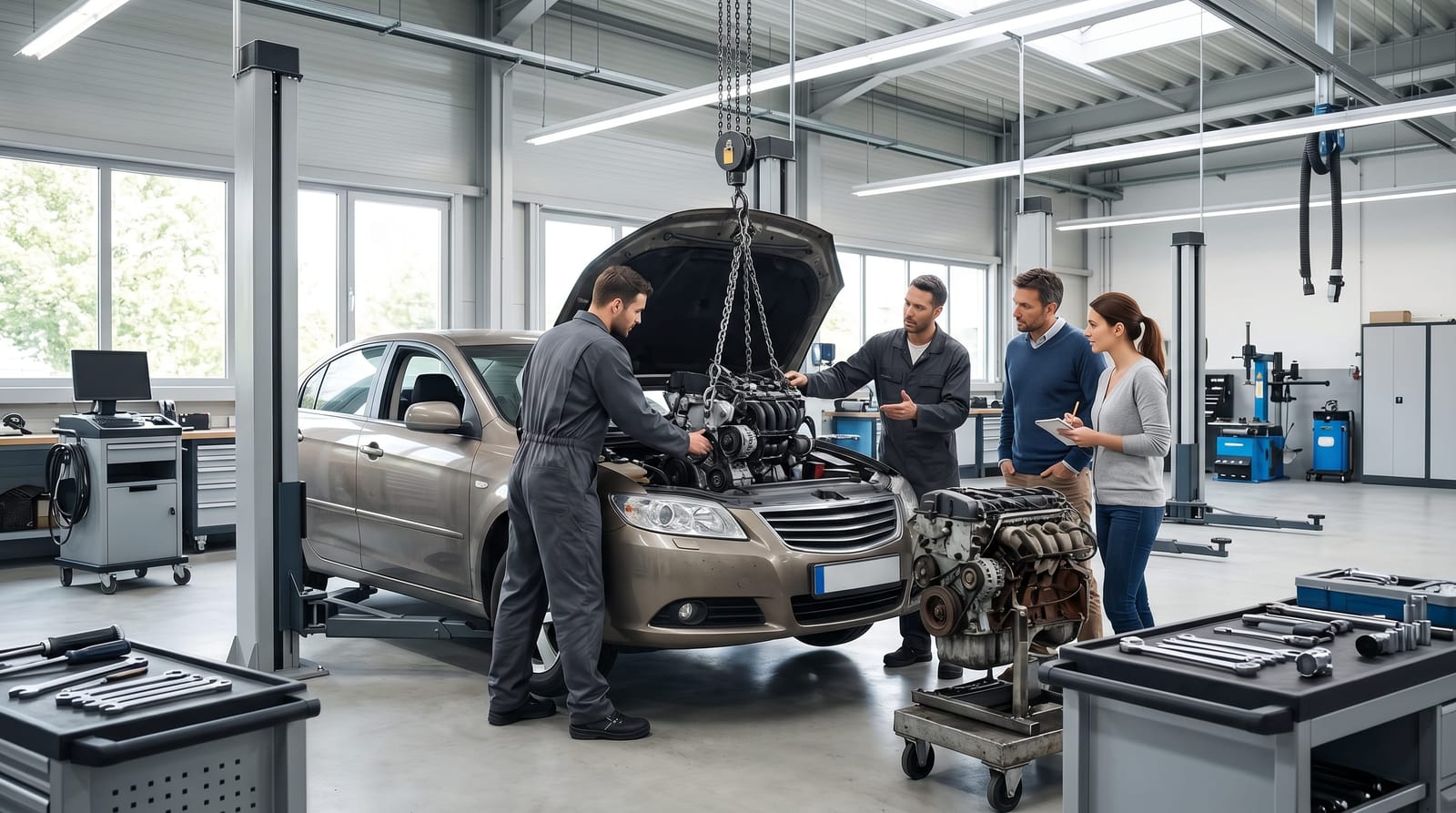
For most engine swap projects, the hands-on labor takes somewhere between 8 and 20 hours. A straightforward, direct-fit replacement, where the new engine is designed to drop into your specific vehicle without significant modification, can realistically be completed in around 16 hours of shop time. That often translates to 2 to 3 business days at a professional shop, accounting for preparation, the swap itself, and post-installation testing.
More involved projects, such as swapping in an engine from a different vehicle platform or working with an older vehicle that has corroded or difficult hardware, can push the timeline to 4 or more days. In some cases, projects extend beyond a week, not because of slow work, but because of parts availability, additional fabrication needs, or unexpected findings once the original engine is removed.
The engine swap installation timeframe is best thought of in ranges rather than exact hours, because no two vehicles and no two swap projects are identical. What a shop can honestly give you upfront is a realistic estimate based on your specific vehicle, the engine being installed, and the parts already on hand.
Factors That Can Shorten or Extend the Timeline
Several variables directly affect how quickly an engine swap can be completed. Understanding these helps set realistic expectations and can help you work with your shop to plan the project efficiently.
Engine Compatibility and Fit
A direct-replacement engine, meaning one that is the same make, model, and configuration as what's being removed, requires the least modification and typically moves the fastest. The engine mounts, wiring, and supporting components are already in the right locations. When the replacement engine comes from a different vehicle or requires adapter components, additional labor time is built into the project from the start.
Parts Availability
One of the most common reasons an engine swap takes longer than expected is simply waiting on parts. If the engine itself needs to be sourced, shipped, or inspected before installation can begin, that waiting period adds days before labor even starts. Having all parts confirmed and on-hand before the vehicle comes in is one of the best ways to keep the timeline on track.
Condition of Surrounding Components
Once the original engine is out, it's not uncommon to find wear or damage on connected components: things like engine mounts, coolant hoses, gaskets, or wiring that should be addressed while access is easy. Replacing these items during the same service appointment is often the smarter long-term choice, but it does add time to the overall project.
Vehicle Age and Accessibility
Older vehicles sometimes have fasteners that are corroded or hardware that doesn't release easily. What takes 20 minutes on a newer vehicle might take 2 hours on one that has 15 or 20 years of wear. This isn't a failure of the shop: it's simply the reality of working on older vehicles, and an experienced technician will account for this when giving you an estimate.
How to Prepare for a Smoother, Faster Engine Swap
There are a few things you can do on your end to help the project move along without unnecessary delays.
- Confirm the replacement engine is sourced before scheduling. If your shop is sourcing the engine on your behalf, ask about lead times before you bring the vehicle in. Some engines, particularly for older or less common vehicles, may take several days to arrive.
- Ask about supporting components upfront. Discuss with your shop whether items like belts, hoses, fluids, and gaskets will be replaced as part of the service. Knowing what's included helps avoid mid-project surprises.
- Plan for a realistic time window. Even in best-case scenarios, plan on being without the vehicle for at least 2 full business days. Building in a little extra buffer in your schedule reduces stress if anything unexpected comes up.
- Be available for communication. Sometimes technicians discover something mid-project that warrants a quick call to the customer before proceeding. Being reachable helps keep decisions moving and avoids unnecessary downtime.
Before committing to a project, it also helps to review your engine swap cost estimate breakdown so you understand the full scope of what's involved financially, not just in time.
What Happens After the Engine Is Installed
Installation is only part of the process. Once the engine is in place, the vehicle needs to go through a careful startup and inspection process. This includes checking for fluid leaks, verifying that all connections are secure, testing electrical systems, and confirming that the engine is running properly before the vehicle leaves the shop.
Most reputable shops will also recommend a short break-in period, typically the first 500 to 1,000 miles, where you avoid extended high-load driving. This allows seals, gaskets, and internal components to seat properly. It's a straightforward precaution that helps protect the investment you've made in the new engine.
If you're still in the research phase and wondering whether a particular engine will work in your vehicle, it's worth reviewing your engine swap compatibility options before scheduling the project. Knowing what fits your vehicle from the start makes the entire process, including the timeline, much more predictable.
Frequently Asked Questions
Can an engine swap be done in a single day?
In some cases, yes: particularly for straightforward direct-replacement swaps on common vehicles where all parts are ready in advance. However, most professional shops schedule 2 to 4 days to allow adequate time for the swap, post-installation inspection, and startup testing without rushing the process.
What causes engine swaps to take longer than expected?
The most common causes are parts delays, unexpected corrosion or damage found once the original engine is removed, and additional components that need replacement while the engine bay is accessible. These aren't unusual: they're normal realities of working on vehicles with real-world wear.
Does the engine swap installation timeframe include testing and inspection?
It should. A responsible shop builds startup testing, leak checks, and a full inspection into the project before returning the vehicle. Ask your shop to clarify whether these steps are included in the quoted labor hours so there are no surprises.
Should I wait until the engine is fully sourced before scheduling my appointment?
In most cases, yes. Scheduling your drop-off date after the replacement engine has been confirmed and received helps avoid a situation where your vehicle sits at the shop waiting on parts. Your shop can guide you on timing once the engine is sourced.
Setting Realistic Expectations for Your Engine Swap
An engine swap is one of the more involved services a vehicle can go through, and the timeline reflects that. For most projects, planning for 2 to 4 business days is a reasonable starting point, with straightforward swaps sometimes finishing faster and more complex projects requiring additional time. The best approach is an honest conversation with your shop before the project begins, so you understand what's involved, what might affect the schedule, and how to plan accordingly. At Gregg Automotive, we walk customers through the full scope of every engine swap project so there are no surprises along the way.