What Engines Can I Swap Into My Vehicle?
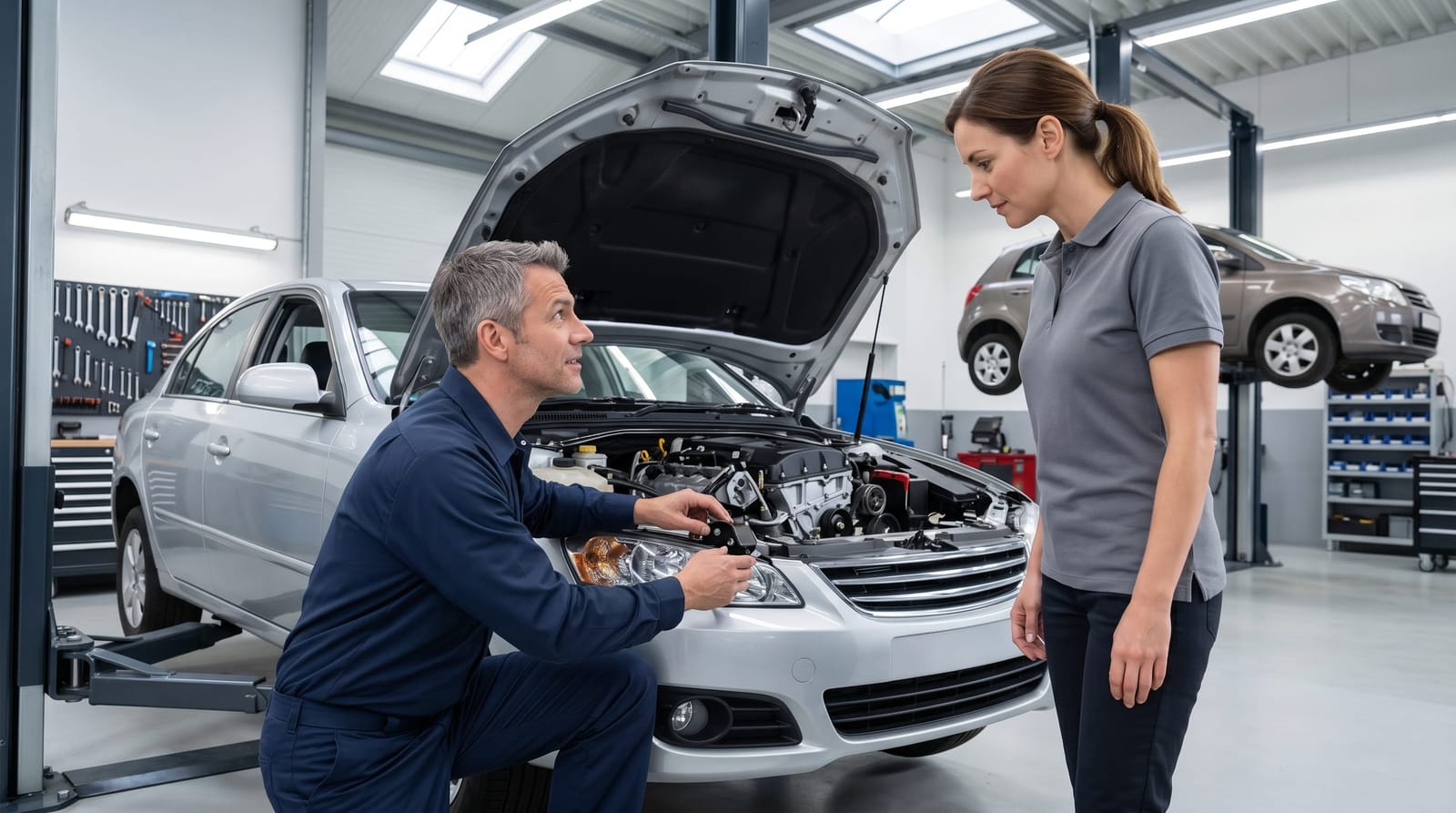
One of the most common questions we hear from vehicle owners exploring major engine work is simple but important: "Can I actually put a different engine in my car?" The answer depends on more than just whether an engine physically fits under the hood. Engine swap compatibility is shaped by several practical factors, and understanding them upfront can save you time, money, and frustration. This post walks through what makes an engine swap feasible, what your most realistic options are, and how to think through the decision before committing to a project.
What Makes an Engine Swap Compatible?
When mechanics talk about engine swap compatibility options, they're really talking about how well a replacement engine matches the existing systems in your vehicle. A compatible swap isn't just about an engine fitting in the engine bay: it's about how that engine connects to everything else your vehicle depends on to run safely and reliably.
Here are the core compatibility factors that matter most:
- Physical dimensions: The replacement engine needs to fit within your engine bay without requiring significant cutting or structural modification. Engine height, width, and the position of mounting points all factor into this.
- Engine mounts: Most vehicles have specific mount locations. Some replacement engines use the same mount positions as the original: others require custom or adapter mounts.
- Transmission compatibility: The replacement engine needs to work with your existing transmission or one that can be swapped in alongside it. Mismatched bolt patterns or shaft sizes can create major complications.
- Electrical and computer systems: Modern vehicles rely heavily on engine control modules (ECMs) and wiring harnesses. A newer engine going into an older vehicle, or vice versa, may require significant electrical work to function properly.
- Exhaust and cooling systems: The headers, exhaust manifolds, and cooling lines all need to align or be adapted to the new engine's configuration.
When you review engine swap compatibility options with a qualified shop, they'll assess each of these factors before giving you an honest picture of what a swap will involve.
The Easiest Path: Same-Brand and Same-Family Engine Swaps
The most straightforward engine swap compatibility options are found within the same vehicle manufacturer's lineup, and often within the same engine family. If you're replacing a worn engine with another engine from the same make, model, and generation, you're working with what's called a direct replacement or like-for-like swap. These are the simplest because the mounting points, electrical connectors, and transmission interfaces are already designed to work together.
But same-brand swaps can go a step further. Many manufacturers built multiple vehicles around shared engine platforms, which opens up additional engine swap compatibility options even when you're not doing a straight replacement. Some well-known examples include:
- Ford small-block engines (289, 302, 351 Windsor): These share similar dimensions and mount configurations, making them relatively interchangeable across a wide range of Ford vehicles from certain eras. That said, even within this family, small differences in engine height exist, the 351 Windsor, for example, sits about three inches taller than the 289-302, so fitment still needs to be verified.
- GM LS-series engines: General Motors' LS engine family is known for broad compatibility across several GM platforms and has become one of the more common swap foundations for GM vehicles.
- Chrysler Hemi and Magnum engines: These share mounting and dimensional characteristics across several Chrysler, Dodge, and Jeep platforms.
Even within these compatible families, it's important to verify fitment carefully. Compatibility charts and model-specific references are valuable tools for narrowing down exactly which engines will work with your specific vehicle without requiring extensive custom fabrication.
Cross-Brand and Custom Engine Swap Compatibility Options
Beyond same-brand swaps, there are cross-manufacturer engine swap compatibility options: putting an engine from one brand into a vehicle made by another. These swaps are less common for everyday drivers, but they do happen for specific reasons: an engine from another manufacturer may offer better parts availability, longer-term reliability, or more displacement in a case where the original engine family is discontinued or difficult to source.
Cross-brand swaps typically require more custom work, including:
- Custom or aftermarket engine mounts
- Modified or custom-fabricated exhaust systems
- Transmission adapters or a complete transmission swap
- Significant electrical rewiring or ECM integration
These swaps aren't impossible, but they do require experienced hands and a realistic understanding of the added cost and complexity involved. If you're considering a cross-brand swap, an engine swap cost estimate breakdown with a shop you trust is an essential first step, because the costs can vary significantly based on how much custom work is needed.
Practical Feasibility: How Shops Assess Your Swap Options
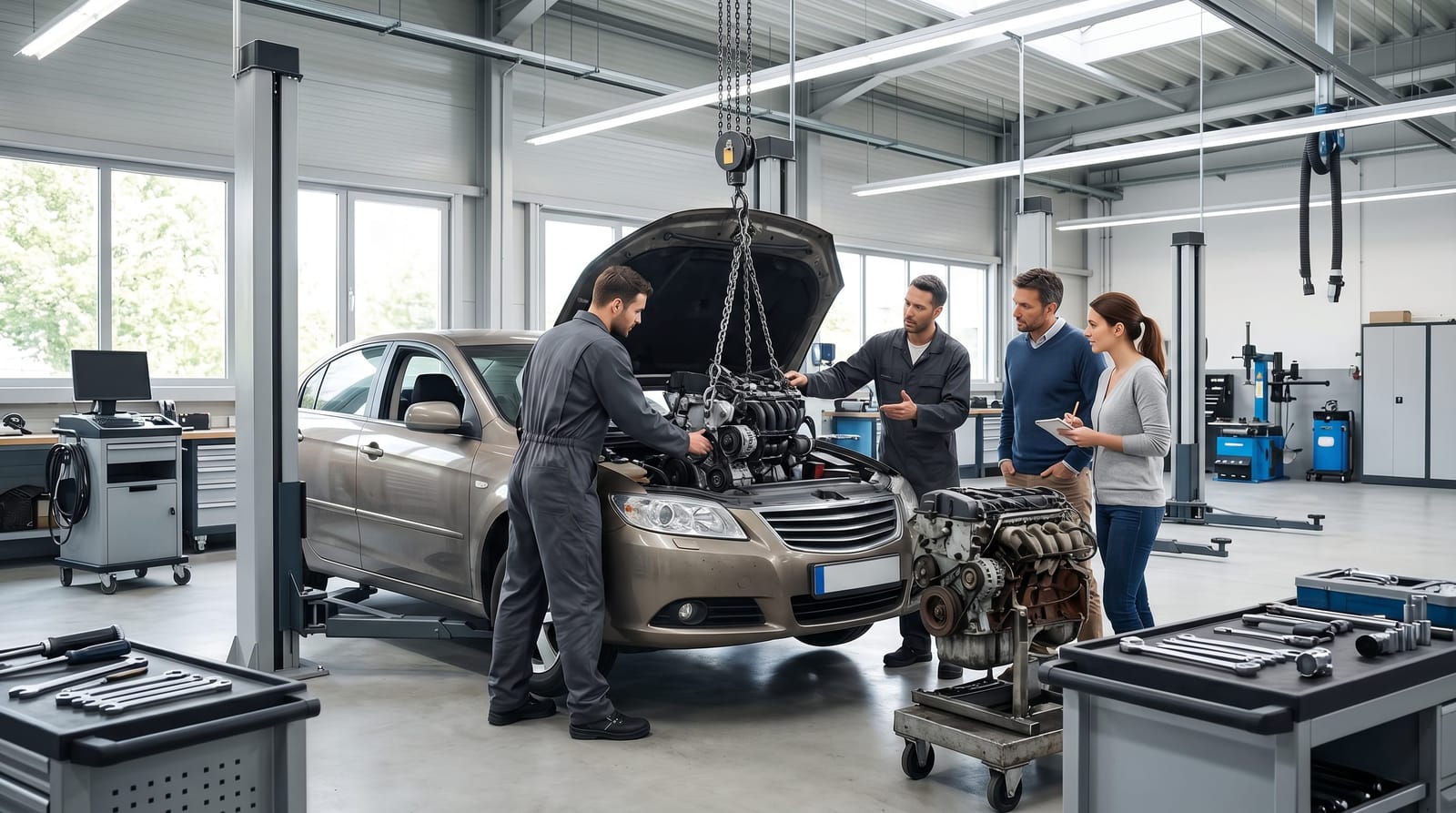
When a customer brings a swap inquiry to Gregg Automotive, we don't just think about whether an engine can physically go in: we think about whether the result will be a reliable, safe, and drivable vehicle for the long term. That means a realistic feasibility assessment covers several questions:
- What's the goal of the swap? Are you replacing a failed engine with something equivalent? Looking for more displacement? Seeking better parts availability for an older vehicle?
- What does the donor engine's condition look like? A used engine with high miles or an unknown history introduces its own set of risks, regardless of compatibility.
- What supporting systems will need to change? If the swap requires a new transmission, new exhaust, and a wiring overhaul, the overall scope of work, and the timeline, grows considerably.
- What are the emissions and inspection implications? In Texas, vehicles must pass state inspections. Certain engine modifications can affect whether your vehicle remains road-legal, so this is always part of the conversation.
Honest answers to these questions help you make an informed decision rather than discovering surprises halfway through the job. How long the process takes is another important piece of the puzzle: that's something we cover in detail separately for customers planning around the work.
When a Swap Makes Sense vs. When It Doesn't
Not every situation calls for an engine swap. Sometimes a rebuilt version of your existing engine is the better path. Other times, the vehicle's overall condition or age makes a swap less cost-effective than it might appear at first glance.
A swap tends to make the most sense when:
- Your original engine is no longer available or prohibitively expensive to source
- A compatible engine from the same family is more readily available and well-supported
- The rest of your vehicle is in solid condition and worth the investment
- You have a clear compatibility path that doesn't require excessive custom fabrication
A swap may not be the right move when:
- The vehicle has other significant mechanical or structural issues
- The custom work required exceeds the value of the finished vehicle
- A rebuilt original engine is available at a comparable cost with less complexity
Working through these questions with a shop that will give you a straight answer, not just tell you what you want to hear, makes all the difference in the outcome.
Frequently Asked Questions About Engine Swap Compatibility Options
Can I put any engine into my vehicle if it fits in the engine bay?
Not quite. Physical fit is just one piece of the puzzle. The engine also needs to work with your transmission, electrical system, exhaust routing, and cooling setup. An engine that fits dimensionally may still require significant custom work to make it fully functional and road-legal.
How do I know which engines are compatible with my specific vehicle?
The most reliable way is to consult with an experienced mechanic who can reference compatibility data for your specific make, model, and year. Compatibility charts and engine-family documentation are useful tools, but a professional assessment accounts for the real-world specifics of your vehicle's current condition and configuration.
Do engine swaps affect my vehicle's warranty or inspection status?
For most vehicles in Kaufman County, the primary concern is Texas state inspection compliance. Certain engine changes can affect your vehicle's emissions and safety inspection outcome, so it's important to discuss this with your shop before the work begins. Factory warranties, if any remain, may also be affected.
Is an engine swap always more expensive than repairing my current engine?
Not necessarily: it depends on the extent of damage to your current engine, the availability and condition of a replacement, and how compatible the swap is. In some cases, a well-matched engine swap is a more cost-effective and reliable long-term solution than extensive repairs to a heavily worn original engine. Your shop can help you compare both paths honestly.
Understanding Your Engine Swap Compatibility Options
Engine swap compatibility is a layered question, and the right answer depends on your specific vehicle, your goals, and a realistic look at what the swap will involve. Same-family swaps within a manufacturer's lineup offer the most straightforward engine swap compatibility options, while cross-brand swaps require more planning and custom work. Either way, an honest assessment from an experienced shop is the foundation of a successful outcome. If you're exploring engine swap service in Kaufman County, we're here to help you think through your options clearly and make a decision that's right for your vehicle and your situation.