What Performance Gains Can I Expect from Engine Upgrades?
If you're considering engine upgrades, one of the first questions you're likely asking is a practical one: what will actually change? It's a fair thing to wonder, especially before committing time and money to a significant service. Engine performance upgrade benefits vary depending on your vehicle, your goals, and which modifications make sense for your specific situation. This post walks through realistic expectations, the kind based on honest assessments, not showroom promises, so you can make a well-informed decision.
How Engine Upgrades Actually Improve Performance
Most engine upgrades work by addressing one of a few core limitations in how your engine moves air, fuel, and exhaust gases. Stock engines are built to balance performance, fuel economy, emissions compliance, and manufacturing cost. That means there's typically room for improvement if your goal is to get more out of what your vehicle can do.
When you improve airflow into and out of the engine, combustion becomes more efficient. More efficient combustion means more power from the same amount of fuel, or in some cases, the same power from less fuel. The relationship between airflow, combustion, and output is at the heart of nearly every engine performance upgrade benefit you'll encounter.
Common upgrades that affect these systems include:
- Cold air intakes: draw cooler, denser air into the engine, improving combustion quality
- Performance exhaust systems: reduce back pressure so exhaust gases exit faster, freeing up engine energy
- Engine tuning and performance chips: recalibrate fuel delivery, ignition timing, and throttle response to match your vehicle's actual capabilities
- Upgraded fuel injectors or fuel pumps: ensure the engine receives consistent, properly timed fuel delivery under varying conditions
- Forced induction additions (turbochargers or superchargers): push more air into the engine than it could draw on its own, significantly increasing power output
Each of these upgrades delivers different results depending on your vehicle's starting point. A modest sedan and a truck used for towing will benefit from different combinations of modifications.
Realistic Power and Efficiency Numbers to Expect
One of the most common engine performance upgrade benefits people ask about is horsepower. Here's a grounded look at what various upgrades typically deliver:
- Cold air intake: Typically adds 5-20 horsepower depending on the vehicle. More importantly, it can improve throttle response noticeably, making the engine feel more responsive even if peak power numbers don't dramatically change.
- Performance exhaust system: A well-matched aftermarket exhaust can add 10-30 horsepower on many vehicles, along with modest torque improvements. Reduced back pressure also allows the engine to run slightly cooler under load.
- Engine tuning/performance chip: Recalibrating engine management software can yield 10-30 horsepower gains on naturally aspirated engines, and significantly more, sometimes 50+ horsepower, on turbocharged vehicles where fuel and boost settings have room to grow.
- Turbocharger or supercharger addition: These forced induction upgrades are more involved but deliver the largest gains: commonly 40-100% more horsepower depending on the setup and engine.
- Combined intake and exhaust upgrades: When paired together with a corresponding engine tune, the combined effect is often greater than the sum of the individual parts.
Fuel efficiency improvements are possible, though they depend heavily on driving habits. An engine that runs more efficiently can return better mileage under normal, steady driving conditions, but if extra power leads to more aggressive acceleration, fuel economy may stay flat or decrease slightly. Improvements of 1-4 MPG are realistic for drivers maintaining consistent habits after modest upgrades.
Beyond Horsepower: Other Measurable Benefits
Raw power numbers get a lot of attention, but several other engine performance upgrade benefits matter just as much, sometimes more, for everyday drivers.
Reduced Engine Wear
Some upgrades directly reduce stress on engine components. Improved airflow lowers operating temperatures, and cooler engines experience less thermal stress over time. Better fuel delivery systems ensure the engine isn't running lean (too little fuel), which is one of the leading causes of premature engine wear. These benefits may not show up on a dyno sheet, but they contribute meaningfully to long-term reliability.
Improved Throttle Response
Throttle response refers to how quickly the engine reacts when you press the accelerator. Even without large horsepower gains, many drivers notice that upgrades like a cold air intake or engine tune make the vehicle feel noticeably more responsive in everyday driving: merging onto highways, passing on two-lane roads, or simply pulling away from a stop.
Better Towing and Load Performance
For trucks and SUVs used for hauling or towing, torque improvements matter more than peak horsepower. Upgrades that increase low-end torque, how much pulling force the engine produces at lower RPMs, can make a real difference when towing a trailer or carrying heavy loads, reducing strain on the drivetrain and improving safety margins.
When an Engine Swap Changes the Picture Entirely
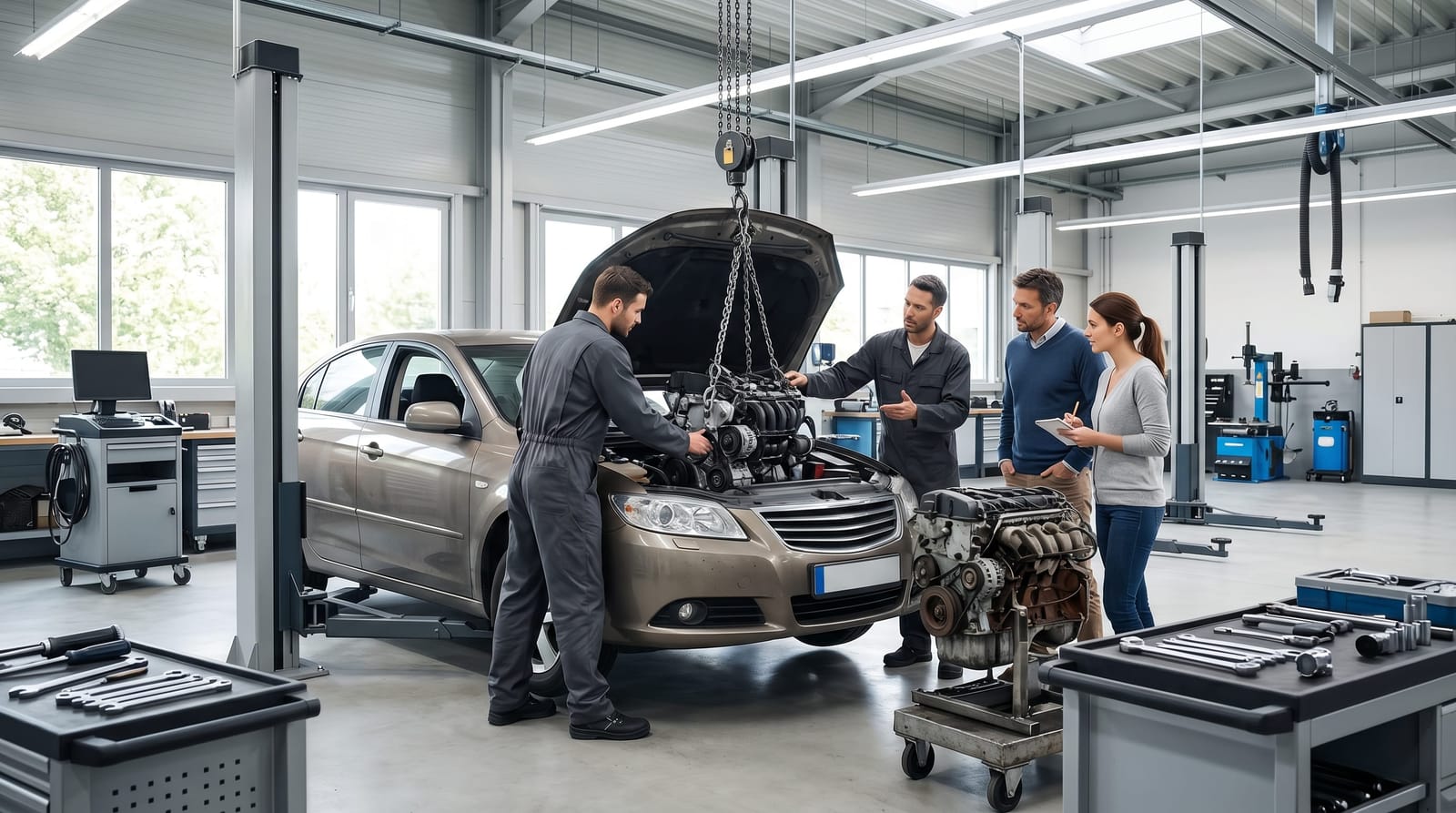
For vehicles where the existing engine is worn, undersized for the work it needs to do, or simply not a good match for the owner's needs, an engine swap offers a different kind of upgrade entirely. Rather than improving what's already there, a swap replaces the foundation: allowing a vehicle to be built around a more capable, more modern, or higher-output engine platform.
Engine swap services in Kaufman County are a practical option for vehicle owners who want to significantly transform what a truck, SUV, or older car can do without replacing the entire vehicle. The performance gains from a well-executed engine swap typically include:
- Substantially higher horsepower and torque output
- Access to modern engine technology in an older vehicle body
- Better fuel efficiency compared to a tired, high-mileage original engine
- Extended vehicle lifespan with a fresh powertrain
If you're weighing whether to upgrade your current engine or consider a full swap, exploring what the best engine upgrade is for your specific budget can help clarify which path makes the most sense for your vehicle and goals.
What Affects the Results You'll Actually See
Not every vehicle responds to upgrades the same way. Several factors influence how much you'll gain from any given modification:
- Starting condition of the engine: A well-maintained engine in good mechanical health will respond better to upgrades than one with underlying wear or deferred maintenance.
- Vehicle age and design: Older engines and vehicles may have more room for improvement but could also require supporting upgrades (like fuel system updates) to handle increased demands.
- Upgrade compatibility: Gains are maximized when upgrades work together. An intake upgrade without a matching tune and exhaust rarely delivers the full potential improvement.
- Intended use: Daily commuting, towing, and performance driving each benefit from different upgrade combinations.
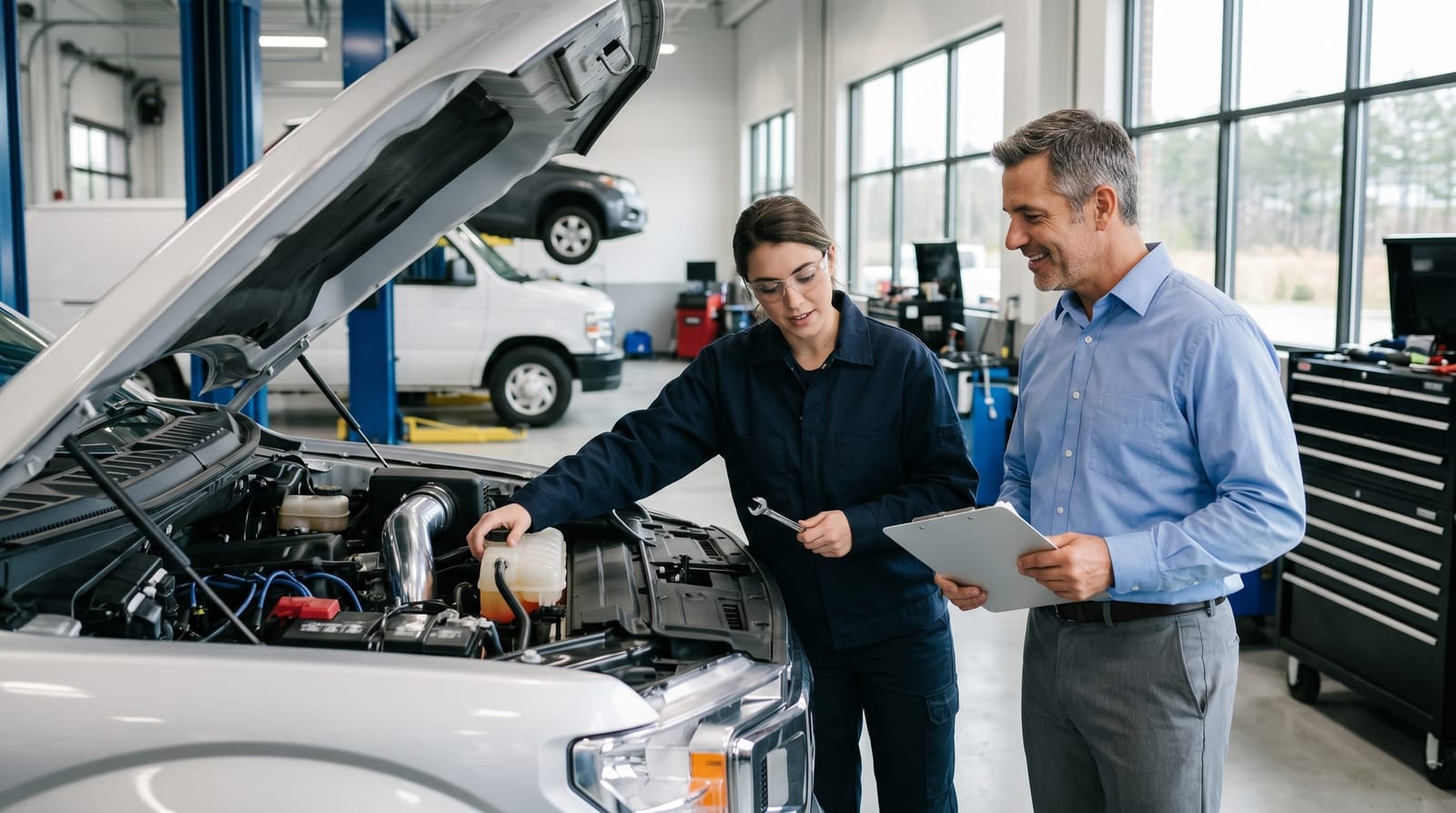
This is why a conversation with a qualified mechanic before committing to any upgrade is worth your time. The right combination of modifications, matched to your vehicle and how you use it, delivers far better results than generic aftermarket additions.
Frequently Asked Questions
How much horsepower can a basic engine tune add?
On a naturally aspirated engine, a professional engine tune typically adds between 10 and 30 horsepower. Turbocharged vehicles have more headroom and can see gains of 50 horsepower or more when fuel mapping and boost settings are optimized. Results vary based on the engine, existing calibration, and supporting hardware.
Will engine upgrades improve my gas mileage?
Improvements of 1-4 MPG are realistic for drivers who maintain steady, moderate driving habits after efficiency-focused upgrades. However, if the extra power leads to more frequent hard acceleration, fuel economy gains may be offset. Upgrades are most likely to improve efficiency when the goal is smoother, more consistent engine operation rather than peak power output.
Do I need multiple upgrades for results, or can one modification make a difference?
A single well-chosen upgrade can absolutely make a noticeable difference: particularly a cold air intake, exhaust improvement, or engine tune. That said, upgrades work best when they complement each other. An intake and exhaust paired with a tune that accounts for both will outperform either upgrade on its own.
Are engine performance upgrades worth it for high-mileage vehicles?
It depends on the vehicle's overall condition. If the engine has significant wear, upgrades may deliver less benefit and could place additional stress on components that are already tired. In those cases, addressing the underlying engine health first, or evaluating whether an engine replacement makes more sense, is typically the wiser path.
Setting Honest Expectations Before You Commit
Engine performance upgrade benefits are real and measurable: improved power, better throttle response, reduced engine stress, and in the right conditions, improved fuel efficiency. But the results you see depend on matching the right upgrades to your specific vehicle and how you actually use it. Whether you're looking at targeted modifications or a more comprehensive approach like an engine swap, starting with a clear-eyed assessment of your goals and your vehicle's current condition leads to the best outcomes. That's the kind of straightforward guidance we're always happy to provide at Gregg Automotive.