What's the Best Engine Upgrade for My Budget?

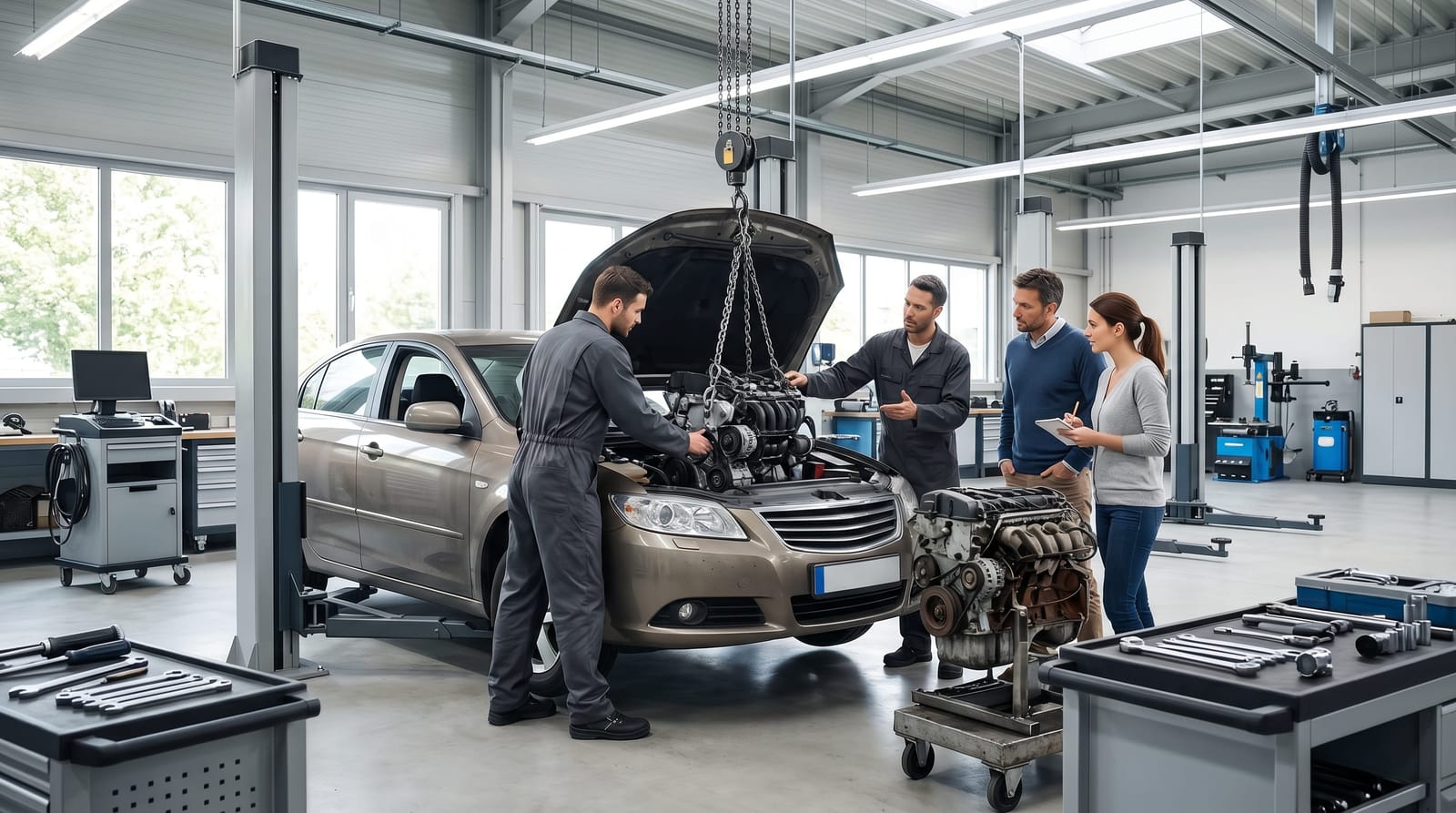
One of the most common questions we hear from vehicle owners interested in getting more out of their cars is simple: "What can I actually do without breaking the bank?" It's a fair question, and the good news is that meaningful budget engine performance upgrades do exist: you don't need to commit to a full engine swap to feel a difference. Whether you want better throttle response, improved efficiency, or just a little more confidence on the highway, there are practical, affordable options worth considering. This post walks you through the smartest ways to spend your money based on your goals and your budget.
Understanding What "Performance" Actually Means for Everyday Drivers
Before spending any money, it helps to get clear on what you're actually trying to improve. "Performance" means different things to different drivers. For some, it means quicker acceleration when merging onto a highway. For others, it means better fuel responsiveness during daily commutes or a smoother feel at higher speeds.
Most everyday drivers aren't looking for racetrack results: they want a vehicle that feels more responsive, runs more efficiently, and holds up well over time. That's a completely reasonable goal, and it shapes which budget engine performance upgrades make the most sense to pursue.
The upgrades that deliver the most value for everyday drivers typically fall into three categories: airflow improvements, ignition system enhancements, and fuel system optimizations. Each of these targets a different part of how your engine breathes and burns fuel, and each can be done incrementally depending on how much you want to invest at any given time.
Understanding this upfront helps you avoid the trap of spending money on modifications that sound impressive but don't actually address what you're trying to fix. A good shop will always start by asking what you want your vehicle to do better, and work backward from there.
Entry-Level Upgrades: Where to Start Under $300
If you're working with a tight budget, the best place to start is improving how your engine takes in air. A cold air intake is one of the most well-known budget engine performance upgrades for good reason: it replaces your factory air intake with a system that draws cooler, denser air into the engine. Cooler air contains more oxygen, which helps fuel burn more completely. The result is typically improved throttle response and modest gains in power. Costs generally range from $100 to $300 depending on your vehicle, and installation is relatively straightforward.
Upgrading to a high-performance air filter is an even more affordable first step. A quality reusable air filter, like those designed for better airflow than standard paper filters, can be had for $50 to $80. This is one of the simplest budget engine performance upgrades available, and it's something most drivers can tackle themselves or have done quickly during a routine service visit.
Spark plug upgrades are another low-cost option worth considering. If your vehicle has older or worn spark plugs, replacing them with iridium or platinum plugs can improve combustion efficiency and idle smoothness. The improvement is often subtle, but combined with an air filter upgrade, these small changes compound into a noticeably more responsive vehicle.
Think of these entry-level changes as a foundation. They don't transform your vehicle dramatically, but they give your engine the clean, efficient operating conditions it needs to respond well to any further upgrades you choose to add later.
Mid-Range Upgrades: Getting More for $300-$800
Once you've addressed airflow basics, the next tier of budget engine performance upgrades focuses on how your engine manages fuel and ignition timing. This is where ECU tuning becomes worth exploring. An ECU (engine control unit) tune involves adjusting the software that governs how your engine behaves: modifying fuel delivery, ignition timing, and throttle response to work more efficiently with your current setup or any upgrades you've already made.
A professional ECU tune typically costs between $300 and $600, and when done by an experienced technician, it can noticeably improve how your engine responds across the RPM range. It's important to note that tuning works best when paired with supporting hardware changes: an air intake upgrade, for example. Tuning alone on a completely stock vehicle has more limited returns, which is why staged upgrades make more sense than jumping straight to tuning.
Upgrading your exhaust system, or at minimum the exhaust headers, is another mid-range option. A performance header improves exhaust flow out of the engine, which in turn helps it breathe more freely. This pairs well with intake improvements since you're optimizing both sides of the airflow equation. Headers range widely in price, but entry-level performance options for common vehicles can often be found in the $200-$500 range before installation.
If you want to understand what realistic outcomes look like before investing at this level, it's worth reading about engine performance upgrade benefits to set appropriate expectations for your specific vehicle.
Planning a Staged Approach: Getting the Most Return on Investment
One of the smartest strategies for budget engine performance upgrades is thinking in stages rather than trying to do everything at once. A staged approach means starting with the modifications that offer the best return for the least cost, then building on them over time as your budget allows.
A practical staged plan might look like this:
- Stage 1: Clean Foundation: High-performance air filter + fresh spark plugs ($80-$130 total). Focus on clean combustion and proper engine health first.
- Stage 2: Airflow Improvement: Cold air intake ($150-$300). Builds on stage one by improving the quality and volume of air entering the engine.
- Stage 3: Optimize the System: ECU tune calibrated to your current modifications ($300-$600). Gets the most out of what you've already installed.
- Stage 4: Exhaust Flow: Performance headers or exhaust upgrade ($200-$500+). Completes the airflow picture by improving how exhaust exits the engine.
Following this kind of roadmap means each dollar you spend builds on the last. You're not doing random modifications that don't work together: you're building a system where each component complements the others. A knowledgeable mechanic can help you map out this kind of plan for your specific vehicle, factoring in its age, mileage, and current condition.
What to Watch Out For With Budget Upgrades
Not every affordable upgrade delivers what it promises. Some products marketed as budget engine performance upgrades, certain throttle body spacers, for example, have mixed results depending on the engine type and application. While some drivers report minor improvements in throttle smoothness, others notice little to no difference. Being informed helps you avoid wasting money on modifications that aren't well-matched to your vehicle.
It's also worth making sure your vehicle's basic maintenance is current before investing in performance modifications. An engine with a dirty fuel injector, worn oxygen sensors, or degraded coolant isn't going to respond as well to upgrades as one that's been properly maintained. Think of performance modifications as a way to enhance an engine that's already running well, not a way to compensate for one that isn't.
When in doubt, ask a trusted mechanic to assess your vehicle's current condition before recommending which upgrades make the most sense. A good shop will give you an honest answer rather than simply selling you the most expensive option available.
Frequently Asked Questions
What is the most cost-effective engine upgrade for a daily driver?
For most everyday vehicles, a high-performance air filter combined with fresh spark plugs offers the best return for the lowest investment. These budget engine performance upgrades improve combustion efficiency and throttle response without requiring major mechanical work. A cold air intake is the logical next step if you want to build further on that foundation.
Will a cold air intake make a noticeable difference?
For many vehicles, yes. A cold air intake improves airflow into the engine, which can result in better throttle response and modest power improvements. The difference is more noticeable on some vehicles than others, so it's worth discussing your specific make and model with a mechanic before purchasing. It's one of the more popular budget engine performance upgrades because it's relatively affordable and professionally installable in a short time.
Is ECU tuning worth it if I haven't made other modifications?
An ECU tune can improve performance on a stock vehicle, but the gains are typically more meaningful when paired with hardware changes like an intake or exhaust upgrade. If you're planning a staged approach to budget engine performance upgrades, tuning is best saved for after you've made supporting modifications so the tune can be calibrated to match your full setup.
How do I know if an upgrade is compatible with my vehicle?
The safest way is to consult with a mechanic familiar with your vehicle's make, model, and year. Not all upgrades are universal, and some modifications that work well on one engine type may not be appropriate for another. A professional can help you identify which budget engine performance upgrades are well-suited to your specific vehicle and driving needs.
Making Smart Choices With Your Performance Budget
Getting more out of your vehicle doesn't have to mean spending a fortune. With the right staged approach, budget engine performance upgrades can deliver real, meaningful improvements over time: starting with simple airflow and ignition changes and working up to more advanced modifications as your budget allows. The key is being strategic, staying realistic about what each upgrade delivers, and making sure your engine is in good health before you start adding anything new. If you're considering larger performance work down the line, our team can help you think through a plan that makes sense for your vehicle and your goals.